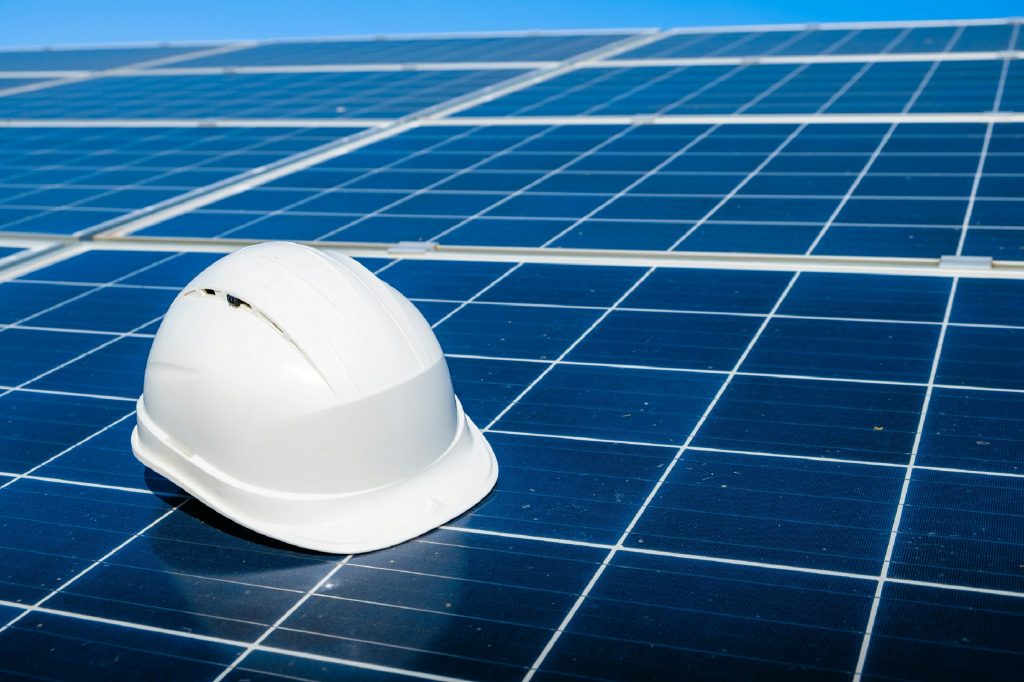
A solar panel strapped to a tin roof in rural Kenya now does the work that a generator, a kerosene lamp, and a long wait once handled. Across Africa, that quiet shift is adding up fast: the continent has just crossed a 17 gigawatt solar milestone, and the electricity it unlocks is rewriting how communities grow.
This is not merely an energy story. For the roughly 600 million people in Africa who still lack electricity, according to the International Energy Agency, the stakes are measured in schools lit after dark, clinics that can keep vaccines cold, and shops that stay open past sunset. Stretching conventional power lines across vast, sparsely populated land has long been slow and costly. Distributed solar systems skip the line — generating power right where people live and work.
The economics have tipped in solar's favour. Over the past decade, the cost of solar photovoltaic technology has fallen sharply, making it increasingly competitive with diesel generators. Businesses and households that once paid dearly for noisy backup power now save money and gain energy security.
Cheaper panels are only half the story. African companies have paired solar with mobile-money platforms through pay-as-you-go financing, letting families spread the cost of a system over time instead of paying the full price upfront. It is a blend of digital finance and decentralised energy — African innovation solving an African problem.
The ripple effects go far beyond lighting. Reliable solar powers small businesses for longer hours, runs refrigeration and cold storage, keeps telecommunications humming, and drives agricultural processing. Solar-powered irrigation lets farmers boost productivity without depending on unpredictable rainfall. In health facilities, steady electricity maintains vaccine refrigeration and powers essential equipment. In schools, it enables lighting, connectivity, and digital learning tools.
The next chapter, experts say, is about ownership. Africa currently imports much of its solar equipment, leaving the continent exposed to global supply-chain shocks and missing out on the jobs and value that manufacturing could create. Building local capacity in assembly, component production, installation, maintenance, and recycling could strengthen both energy security and economies. That will require clearer policy frameworks, grid rules for decentralised systems, battery storage integration, and substantial investment.
Africa's solar transformation is not simply a response to an energy deficit. It is a chance to build a more decentralised, resilient, and productive power system — one capable of energising homes, businesses, farms, schools, and hospitals while supporting the continent's broader industrial ambitions. The measure of success will be less about how many gigawatts are generated and more about who builds them, who owns them, and how well that energy becomes opportunity for everyone.
< DSML tool_calls> < DSML invoke name="generate_article_body"> < DSML parameter name="article_body" string="true">A solar panel strapped to a tin roof in a rural village now does the work that a diesel generator, a kerosene lamp, and a long wait for the grid once handled. Across Africa, that quiet shift is adding up fast: the continent has just crossed a 17 gigawatt solar milestone, and the electricity it unlocks is rewriting how communities grow.
This is not merely an energy story. For the roughly 600 million people in Africa who still lack electricity, according to the International Energy Agency, the stakes are measured in schools lit after dark, clinics that can keep vaccines cold, and shops that stay open past sunset. Stretching conventional power lines across vast, sparsely populated land has long been slow and costly. Distributed solar systems offer a shortcut — generating power right where people live and work.
The economics have tipped in solar's favour. Over the past decade, the cost of solar photovoltaic technology has fallen sharply, making it increasingly competitive with diesel generators. Businesses and households that once paid dearly for noisy backup power now save money and gain energy security.
Cheaper panels are only half the story. African companies have paired solar with mobile-money platforms through pay-as-you-go financing, letting families spread the cost of a system over time instead of paying the full price upfront. It is a blend of digital finance and decentralised energy — African innovation solving an African challenge.
The ripple effects go far beyond lighting. Reliable solar powers small businesses for longer hours, runs refrigeration and cold storage, keeps telecommunications humming, and drives agricultural processing. Solar-powered irrigation lets farmers boost productivity without depending on unpredictable rainfall. In health facilities, steady electricity maintains vaccine refrigeration and powers essential equipment. In schools, it enables lighting, connectivity, and digital learning tools.
The next chapter, experts say, is about ownership. Africa currently imports much of its solar equipment, leaving the continent exposed to global supply-chain shocks and missing out on the jobs and value manufacturing could create. Building local capacity in assembly, component production, installation, maintenance, and recycling could strengthen both energy security and economies. That will require clearer policy frameworks, grid rules for decentralised systems, battery storage integration, and substantial investment.
Africa's solar transformation is not simply a response to an energy deficit. It is a chance to build a more decentralised, resilient, and productive power system — one capable of energising homes, businesses, farms, schools, and hospitals while supporting the continent's broader industrial ambitions. The measure of success will be less about how many gigawatts are generated and more about who builds them, who owns them, and how well that energy becomes opportunity for everyone.