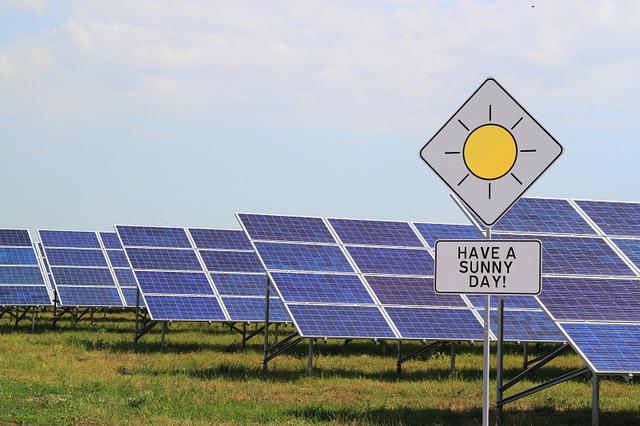
In April 2026, something remarkable happened in the American energy landscape: both wind and solar farms independently produced more electricity than the entire U.S. coal fleet. It was a milestone that analysts had long predicted but few expected so soon—and it came even as the current federal administration threw its weight behind fossil fuels.
The data comes from the SUN DAY Campaign's analysis of the latest figures from the U.S. Energy Information Administration. According to the report, renewable energy sources accounted for 30% of all U.S. electricity generation in the first third of 2026. Wind and solar together provided 21.8% of the nation's electricity, growing 10% year-over-year. That growth was led by utility-scale solar, which surged 21.3%, followed by hydropower at 15.7%, small-scale solar at 11.9%, and wind at 3.4%.
Coal, meanwhile, continued its steady decline, falling 11.6% in electricity generation during the same period. In April alone, solar and wind together produced 57% more electricity than nuclear power—another striking data point in a year full of them.
But it's not just generation that's shifting. Capacity tells an equally compelling story. Between May 2025 and April 2026, the United States added 27,572.3 megawatts of utility-scale solar capacity, 6,492.2 megawatts of small-scale solar, and 5,976.4 megawatts of wind. Altogether, renewable capacity expanded by 39,884.2 megawatts. In April, for the first time, utility-scale solar capacity surpassed wind capacity—160,208.1 megawatts versus 160,100.6 megawatts—marking solar's ascent as the nation's largest renewable power source by installed capacity.
Battery storage is scaling up just as rapidly. Utility-scale battery capacity grew by 17,703.5 megawatts, a 58.1% increase, helping to smooth out the variability of wind and solar and making the grid more reliable.
Looking ahead, the momentum shows no signs of slowing. The EIA projects that utility-scale renewables will add another 78.5 gigawatts of capacity by April 2027, while fossil fuels and nuclear are expected to decline by more than 5.2 gigawatts. The combined renewable capacity growth over the coming year is projected to be 67.6% greater than the previous year's additions. Battery storage alone is forecasted to add another 22,828.9 megawatts, bringing total storage capacity to 71,007.4 megawatts—a 47% increase.
If small-scale solar continues at its current pace, renewable energy capacity is expected to surpass natural gas capacity by May 2027, reaching approximately 537,606.9 megawatts compared to natural gas's projected 515,744.9 megawatts.
The transition, in other words, is no longer theoretical. It is being written in gigawatts and terawatt-hours, in coal plants running at lower capacity and solar panels spreading across rooftops and deserts alike. Despite political headwinds, the economics have spoken: clean energy is simply outcompeting the alternatives.