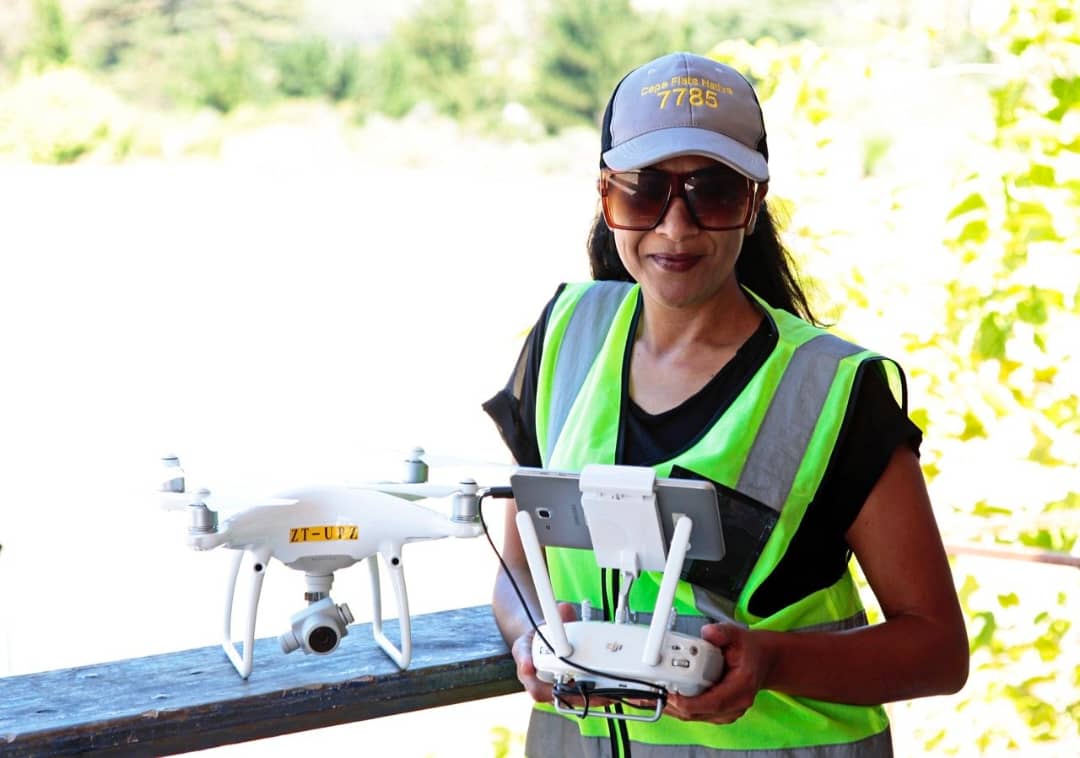
On March 8, 2026, ARISE News unveiled the Africa Women of Impact Awards, honouring 100 women whose work is fundamentally reshaping how Africa builds, innovates, and grows. The recognition cut across sectors that matter most: technology, mining, agriculture, renewable energy, healthcare, finance, law, and governance—marking a continental turning point in who gets to lead Africa's industrial future.
South Africa stands at the centre of this shift. Once a country where women were systematically excluded from economic power, it has emerged as one of Africa's strongest economies for female representation in business and corporate leadership. This didn't happen by accident. Following the country's democratic transition in 1994, South Africa introduced deliberate policies to improve gender equality in education, business, and governance. Over three decades, those reforms have opened real doors. Today, women are leading companies, managing infrastructure projects, and driving technological innovation across mining and manufacturing—sectors that were historically male-dominated strongholds.
Yet recognition awards matter because the barriers remain substantial. Female professionals across Africa still face unequal access to funding, underrepresentation in technical fields, and persistent workplace discrimination. These obstacles explain why platforms like the Africa Women of Impact Awards serve a larger purpose: they make invisible achievement visible, they signal to investors where talent actually lives, and they give young women across the continent proof that their ambitions are possible.
Consider Anita Nel, Chief Director of Innovation and Commercialisation at Stellenbosch University. In 2026, she received the Innovation Catalyst Award at the Forbes Woman Africa Leading Women Summit and Awards for her work strengthening Africa's innovation ecosystem. Through her leadership, Nel has woven entrepreneurship, research commercialisation, and innovation-driven development into the fabric of South African universities—positioning the country as a growing hub for technological advancement and startup growth. Her influence reaches far beyond a single institution; she is helping reshape how an entire continent thinks about turning ideas into scalable ventures.
Or take Aasiyah Adams, named Woman in Technology at the 2026 Woman of Stature Awards South Africa. Adams was recognised for her contribution to digital transformation and technological advancement—work that directly bridges the gender gap in science and technology while inspiring younger generations of women to see themselves in technical careers. Her success is not merely personal achievement; it is infrastructure for the future.
What makes this moment significant is that these women are not confined to tokenism. Across agriculture, finance, renewable energy, healthcare, and environmental, social, and governance initiatives, women-led organisations are creating employment opportunities, improving infrastructure, and promoting sustainable development. These efforts are reshaping how African countries approach industrialisation and economic diversification in a rapidly evolving global economy.
The Africa Women of Impact Awards function as more than celebration—they are a signal to governments, corporations, and investors that gender-inclusive growth is not a side issue but a pathway to competitive advantage. As South Africa continues to lead by example, the ripple effect across the continent is only beginning. When women have real power to shape industries, everyone wins.