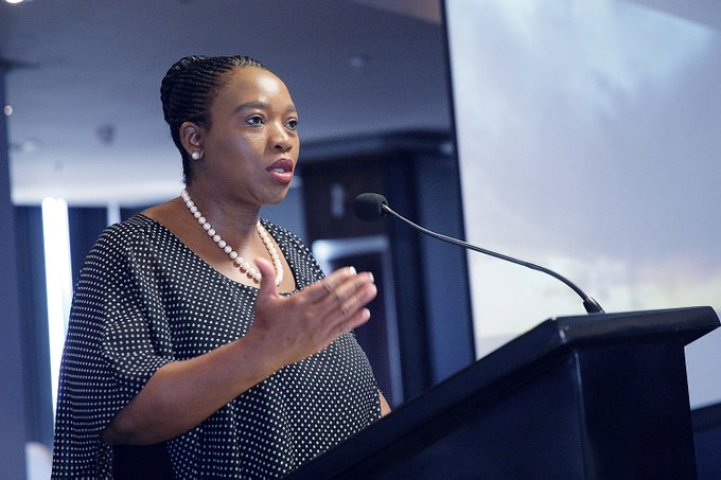
Deputy Minister Nomusa Dube-Ncube arrived at the 2026 Education World Forum in London this week carrying South Africa's blueprint for a education system that doesn't just prepare young people for jobs—it equips them to shape their own economic futures. Gathered across four days in May, more than 130 countries have sent their education and training ministers to confront a challenge that cuts across borders: how can schools and universities respond to economic inequality, technological disruption, and climate change while creating genuine pathways to opportunity?
For South Africa, the stakes are urgent. Youth unemployment remains one of the country's most pressing challenges, and the education system has been slow to align with what employers actually need. The delegation at the forum is making the case that this gap—between what students learn and what the economy demands—is not inevitable. Instead, they are showcasing concrete efforts to close it. The Department of Higher Education and Training is highlighting programmes designed to produce work-ready graduates with entrepreneurial and technical skills suited to a rapidly changing economy, from artificial intelligence and digital literacy to green economy competencies and innovation training.
Much of South Africa's focus centres on reimagining technical education. TVET colleges—institutions that have historically served disadvantaged students—are being repositioned as institutions of first choice rather than fallback options. The government is modernising these colleges to respond directly to industry needs, while simultaneously expanding access through the National Student Financial Aid Scheme and the Comprehensive Student Funding Model. These initiatives aim to break the cycle where inequality determines educational opportunity.
Entrepreneurship is being woven through the entire education system. The Entrepreneurship Development in Higher Education programme encourages students and graduates to launch their own ventures, viewing self-employment not as a backup plan but as a driver of inclusive economic growth. This ambition extends to green economy skills training, where South Africa is linking education programmes to the Just Energy Transition—preparing young people for jobs in renewable energy and environmental management while supporting the country's shift toward cleaner systems.
The broader theme of the forum—"Educating for a Shared Future: Peace, Planet, Purpose and Pathways"—reflects a shared recognition that education must do more than transmit knowledge. It must build systems flexible enough to meet labour market demands, technical enough to prepare students for the Fourth Industrial Revolution, and human-centred enough to develop the critical thinking and adaptability future workers will need.
Deputy Minister Dube-Ncube is expected to participate in high-level plenary sessions and bilateral meetings, using the platform to advocate for the priorities of the Global South in international education debates. South Africa is pushing for decolonised curricula and multilingual education approaches—changes that reflect a conviction that education systems should be rooted in local context and language while preparing students for global participation.
What emerges from South Africa's participation is a vision of education as an instrument not just for surviving economic change, but for leading it. The challenge now is implementation: turning these commitments into classrooms where students from township and rural schools gain the skills and confidence to compete, create, and succeed.