At a small corner shop in Malabon City, Philippines, something old is making a quiet comeback. Just after school lets out, mothers arrive with their children, handing over empty bottles and plastic tubs to be refilled with soy sauce, cooking oil, flour, and sugar. The kids pick up sweets bagged in brown kraft paper. The store, called Tingi Tindahan, looks familiar — like the neighbourhood variety shops, called sari-sari stores, that are woven into daily life across the Philippines. But here, there are no sachets, no plastic packaging, and no waste heading to the landfill.
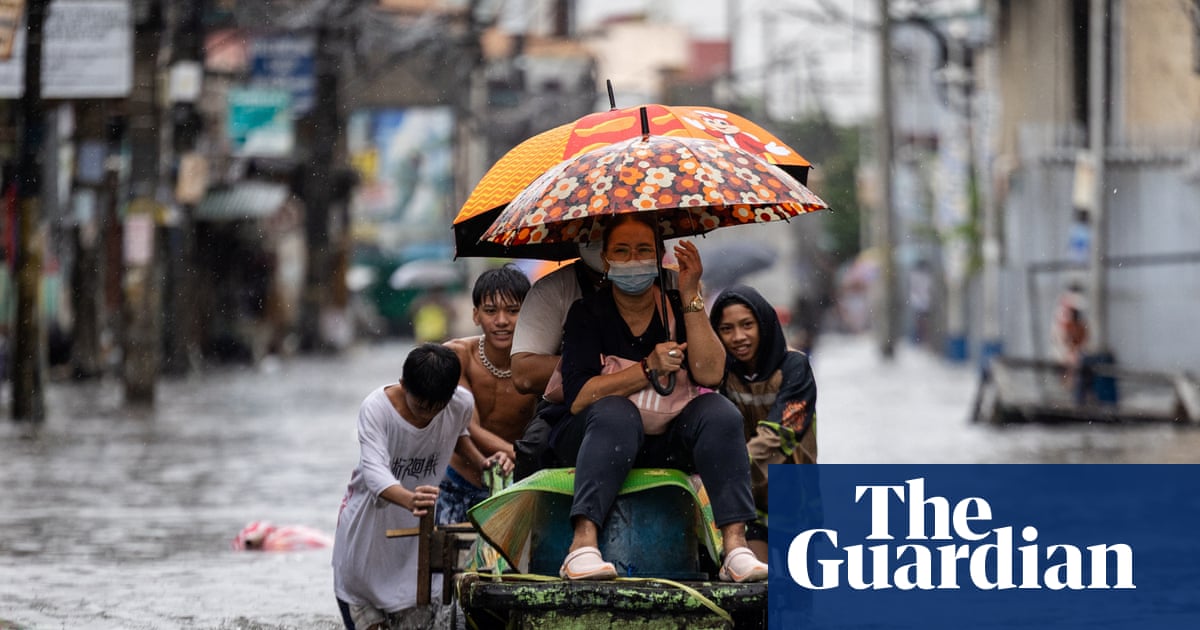
For Khate Nolasco, a 32-year-old councillor in Potrero district, the shop is a direct answer to a problem she sees every year. At least 20 typhoons strike the Philippines annually, and when the floods come, so does the rubbish. Soy sauce packets, detergent pouches, and shampoo sachets clog drains and estuaries, sometimes taking a full month to clear away after the storms pass.
“Even if we collect waste every day, it feels never-ending,” Nolasco said.
The scale of the problem is enormous. The Philippines produces at least 2.7 million tonnes of plastic waste every year, and some estimates suggest a staggering 164 million sachets are used daily — small single-use pouches that do not break down and often end up in waterways and the ocean. Decades ago, before plastics took over, Filipinos brought their own glass jars and wicker bags to buy household goods in small quantities. The introduction of cheap, convenient sachets replaced that system entirely, and waste management has struggled to keep pace ever since.
In July 2024, with backing from Potrero’s barangay leader, Nolasco helped launch Tingi Tindahan, converting a vacant space in front of their office into the country’s first zero-waste shop set up and funded by a barangay, the local equivalent of a district council. Products are stored in large glass jars with handwritten labels. Liquids pour from spouts; dry goods like cornstarch and salt are scooped and weighed on a scale. Customers bring their own containers — anything from an old water bottle to a biscuit tin. The store is staffed by women who already work as the district’s waste monitors, inspecting households each morning to ensure proper rubbish segregation. They also make their own liquid cleaning products to sell.
When the shop opened, residents were unsure. They had grown so used to sachets that bare shelves felt strange. But prices made believers of them. A 100-millilitre sachet of vinegar that costs 8 Philippine pesos (about 9 pence) at a regular shop is just 5 pesos at Tingi Tindahan. Because customers can buy only what they need, even a few pesos goes a long way.
Regine Nayve, a campaigner with the environmental group Mother Earth Foundation, which helped set up the shop, said there is a global misconception that zero-waste refilling is only for the wealthy.
“We want to challenge the notion that refilling is expensive — it’s not,” Nayve said. “It makes choices more accessible.”
A year in, reactions in Potrero remain mixed, though mostly positive. Older residents especially welcome the return of a practice they remember from their youth. Through Mother Earth Foundation, the shop has also installed a retrofitted vending machine that dispenses cleaning products and condiments after hours. Nolasco sees this not as a radical experiment, but as a restoration — bringing back something the community once knew, and proving it can work for the low-income households that need it most.