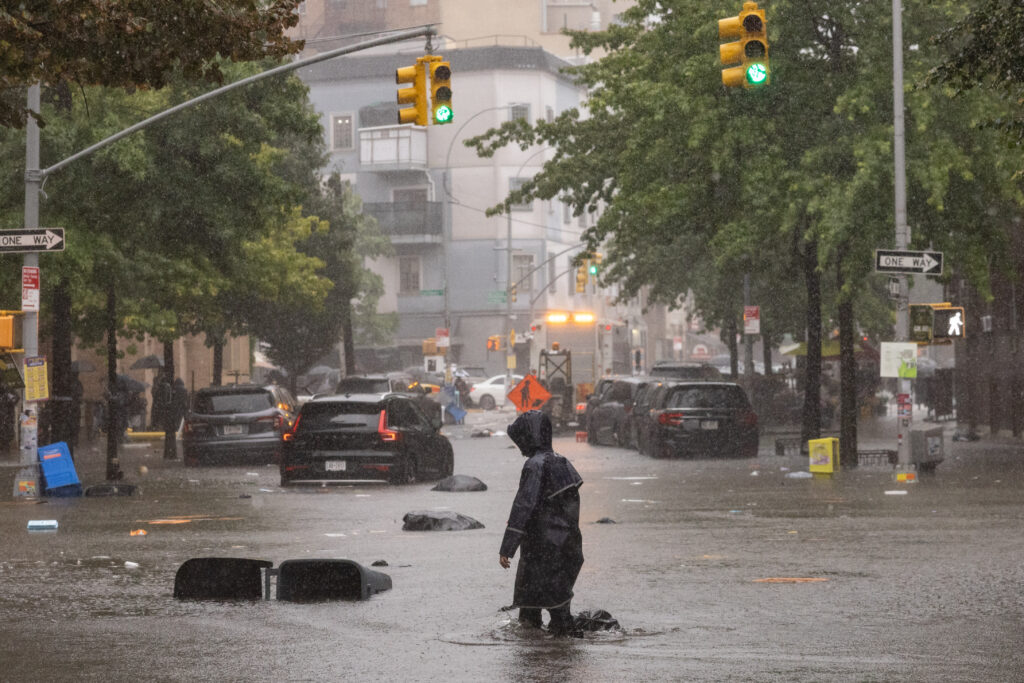
On a summer evening in 2011, Copenhagen drowned—more than five inches of rain fell in just hours, turning streets into rivers and racking up over $1 billion in damage. But from that deluge emerged a vision: a city that doesn’t fight water, but welcomes it. Today, Copenhagen is a global pioneer of the 'Sponge City' movement, where engineered parks, green roofs, and permeable plazas work in tandem with traditional drains to absorb, slow, and store stormwater. After the 2011 cloudburst, city officials launched a $1.1 billion climate adaptation plan, integrating green-gray infrastructure across 300 hectares of urban space. Now, when storms hit, parks like Enghaveparken swell into temporary reservoirs, protecting homes and businesses downstream.
Copenhagen’s transformation has inspired cities worldwide, from New York to Hong Kong, to rethink how they handle water. In Los Angeles, recent installations of rain gardens and infiltration basins captured 8.6 billion gallons during an atmospheric river event in 2024—enough to fill over 13,000 Olympic-sized swimming pools. Yet, despite these advances, experts warn that most U.S. cities are still playing catch-up with a patchwork approach. "Yes, we have a lot of green infrastructure, but it’s not designed, cited, scaled, or implemented in a way that helps us reduce flood risks from extreme events," says Franco Montalto, a civil engineer at Drexel University. The problem isn’t just scale—it’s timing. Retrofitting dense, aging urban landscapes is costly and complex, while in parts of China, where the sponge city concept gained national momentum after President Xi Jinping endorsed it around 2014, planners have been able to build sponge principles into new developments from the start.
Still, even the most ambitious sponge systems face a growing challenge: climate change is overwhelming nature’s capacity to absorb. A May 2024 study led by Dartmouth’s Justin Mankin reveals that global rainfall patterns are shifting—more rain is falling in intense bursts, leaving less time for soil to soak it up. Worse, prolonged droughts can turn soil hydrophobic, repelling water like a sponge turned to stone. In 2021, Zhengzhou, China—a flagship sponge city that had invested billions—was swamped by a storm that dumped a year’s rain in three days. Experts agree: no amount of green infrastructure could have withstood that.
Yet, the solution isn’t to abandon the sponge, but to expand and refine it. "There’s kind of a sweet spot—you want your soils to be a little bit wet," Mankin explains. The key lies in smarter integration: connecting green spaces into networks, prioritizing equity in flood protection, and designing for extremes. As climate pressures mount, cities that once sealed themselves off from nature are learning to breathe again—letting water in, one soaked sidewalk, one restored wetland, one resilient neighborhood at a time.