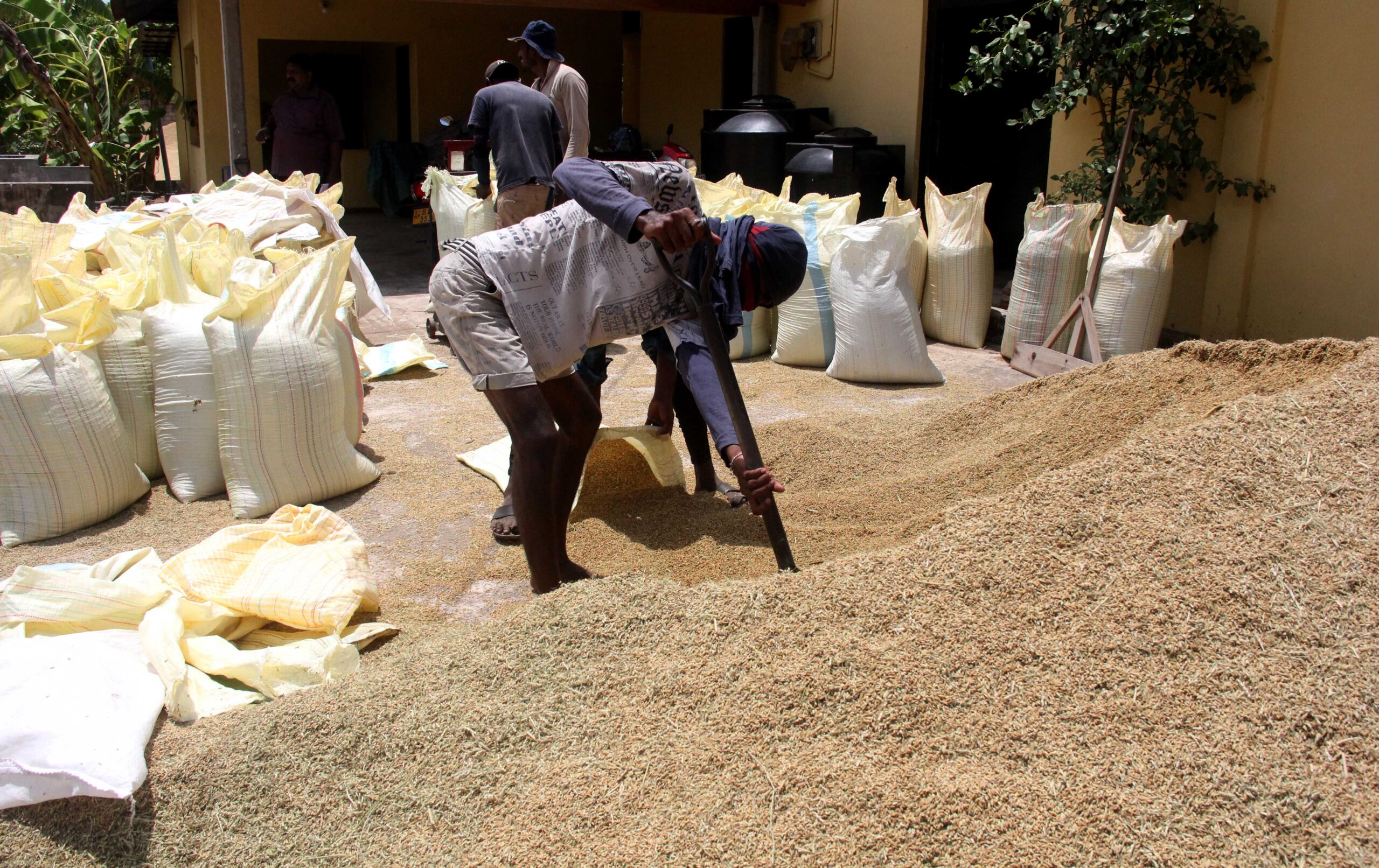
For generations, Sri Lankan rice farmers have watched the skies and known when dry times were coming. Now, their knowledge is joining forces with new technology as the island nation braces for a major weather event.
The World Meteorological Organization predicts an 80% chance of a strong El Niño developing between July and September 2026—conditions that typically bring drought and heavy rains to South Asia. WMO Secretary General Celeste Saulo warned it would "intensify chances of drought and heavy rainfall and the risk of heatwaves" in many regions. But Sri Lanka isn't facing it unprepared. President Anura Kumara Dissanayake's government has set up a special ministerial committee to coordinate response across meteorology, irrigation, agriculture, and disaster management agencies.
What makes this approach different is its foundation: the wisdom of farmers like Rathnayaka Mudiyanselage Suwandarathne, a second-generation rice grower from Thalangama in the Colombo District. "Long dry spells occur every four to seven years," Suwandaranselage explained. "By August, the dry period begins, and we need a dry season to obtain the harvest. This is the cycle during the Yala season." His family has farmed heirloom rice varieties for decades, learning to read weather patterns the way their grandparents taught them.
Yet the stakes are higher this time. According to Ajith Wijemannage, who heads Sri Lanka's Meteorology Department, the El Niño peak is now expected between October and December 2026—later than initially predicted. From 1950 to today, Sri Lanka has weathered about 25 to 26 El Niño events, but only three were classified as very strong.
Water supplies are already stretched thin. Sarvajith Priyankara Herath, director of water management at the Irrigation Department, said that by early July, reservoirs in the Ampara and Batticaloa districts held only 29% of their average capacity, while those in Trincomalee had just 49%. The department has introduced a technique called "alternative wetting and drying," which cuts irrigation water use without reducing rice harvests—potentially saving water for other uses during a dry spell. Officials have also been told to carefully assess water availability before setting planting dates for the next growing season.
The Disaster Management Centre is monitoring all 25 districts and facilitating coordination between agencies. Meanwhile, academics say gaps remain in translating research into real-world decisions, partly due to limited access to information.
For Suwandarathne, the combination of old and new knowledge offers reason for cautious optimism. "We then conduct culturally significant events praying for rains," he said of the traditional practices his community follows. With science and tradition working together, Sri Lanka hopes to face whatever the coming months bring.