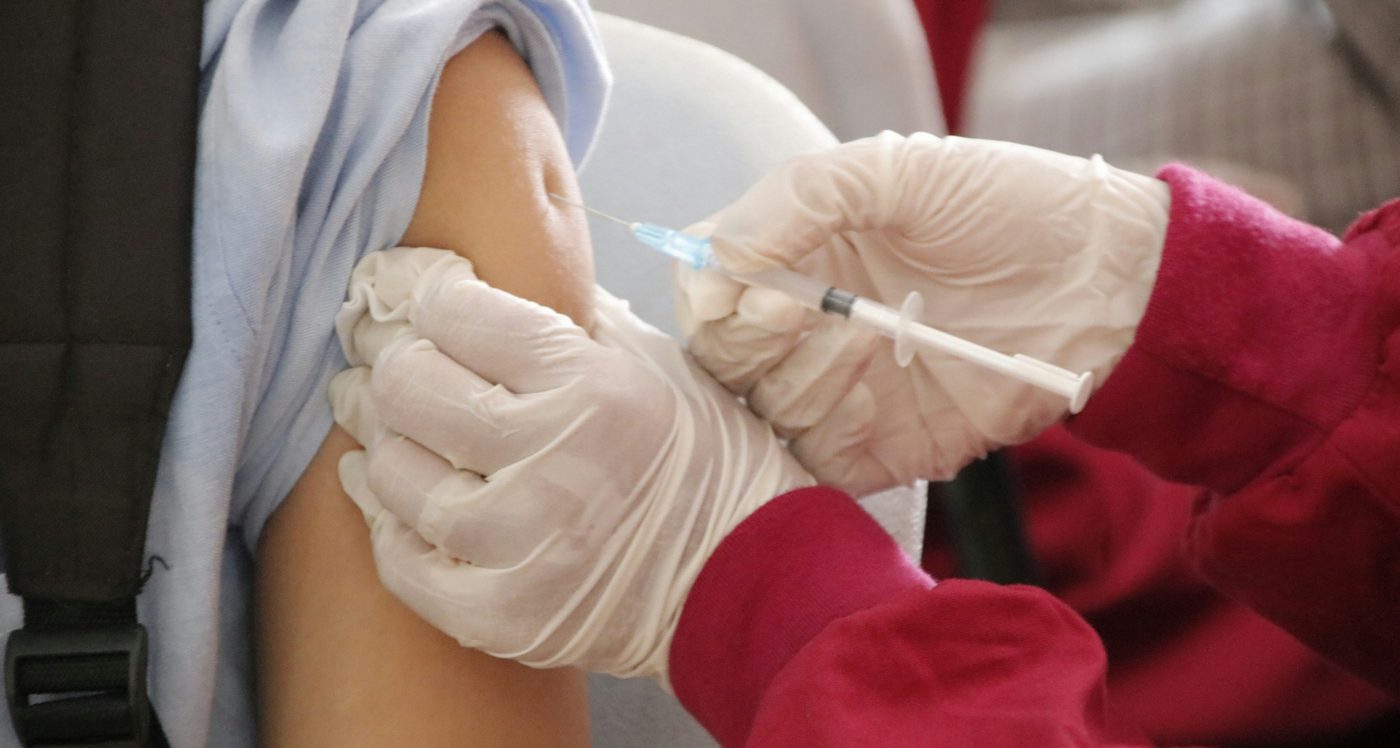
On a continent where HIV remains a defining public-health crisis, a twice-yearly injection called Lenacapavir has achieved something once considered impossible: 100% efficacy against infection in a trial of 3,200 participants across Uganda and South Africa.
The first trial, PURPOSE 1, enrolled young women in two of the world's highest-incidence HIV regions and tested a new subcutaneous injection administered twice yearly. The results were unambiguous—not a single participant contracted HIV. This wasn't a small proof-of-concept. It was a rigorous, randomized, double-blinded phase 3 clinical trial that established what prevention researchers have long dreamed of: near-absolute protection.
When PURPOSE 2 expanded the trial geographically and demographically—enrolling 5,000 participants across multiple continents and opening enrollment to men and people of all ages—the results held steady. The efficacy remained at 99.9% reduction in infection rates, confirming that Lenacapavir's protection was reproducible and robust across diverse populations.
The comparison point matters. Both trials measured Lenacapavir against the current standard of HIV prevention: daily pills called Truvada or Descovy, which also achieve 99.9% efficacy when taken consistently every single day. But here lies the quiet revolution. Anyone who has maintained a daily medication regimen for months or years understands the friction—missed doses accumulate, routines slip, life intervenes. A twice-yearly injection eliminates that burden entirely. More profoundly, it erases a source of stigma that persists even in treatment-rich countries. In Uganda and other nations where male homosexuality is criminalized, the daily pill itself becomes a visible marker of risk. An injection taken twice a year, administered in a clinical setting, carries no such exposure.
The trials were so clearly superior to the existing standard that both were halted early—not due to safety concerns, but because continuing to give some participants a daily pill when the injection was available became ethically indefensible. A 52-week follow-up confirmed no HIV developments in either group.
Lenacapavir works through an elegant mechanism. It binds to a highly conserved protein on the exterior of HIV's capsid shell—a target that remains constant no matter how the virus mutates. By disrupting this shell, the drug prevents the virus from completing its life cycle. That conservation is key: it means the drug's effectiveness should persist across HIV variants that might render other treatments obsolete.
The path to this moment cost developer Gilead Sciences well over a billion dollars in research, regulatory compliance, and safety validation. Yet Gilead has committed to making it accessible. Starting in 2027, licensed generic manufacturers will produce Lenacapavir for approximately $40 per year in 120 low and middle-income countries—a price point that could reshape prevention efforts where the burden of HIV is heaviest.
In 2024, Science Magazine named Lenacapavir its Breakthrough of the Year. The FDA approved it for human use under the brand name Yeztugo. These accolades reflect not just a scientific achievement, but the possibility of something larger: a tool so effective and practical that it could fundamentally alter the trajectory of the global HIV crisis.