At age 9 or 10, thousands of children in a U.S. brain-development study lay still for scans that measure how different parts of the brain work together. A Stanford Medicine-led analysis of those scans has now identified three patterns linked to attention-deficit/hyperactivity disorder (ADHD), anxiety, or both.
The findings, published in Nature Mental Health, offer a new way to look at two common childhood mental health conditions. ADHD and anxiety often share symptoms, which can make it hard for doctors to tell what is driving a child’s difficulties. Diagnoses today rely mainly on symptom checklists. The researchers say brain patterns could eventually add another source of information, helping clinicians understand differences among children and guiding future treatment research.
The team studied data from the Adolescent Brain Cognitive Development project, an ongoing effort tracking more than 11,000 children across the United States. Its analysis included 3,508 children who had ADHD, anxiety, or both when they joined, plus 693 who developed one or both conditions later. Another 1,947 children who never received either diagnosis formed a comparison group. Researchers also checked their results against scans from 224 children in a separate project, the Healthy Brain Network, who had ADHD or anxiety.
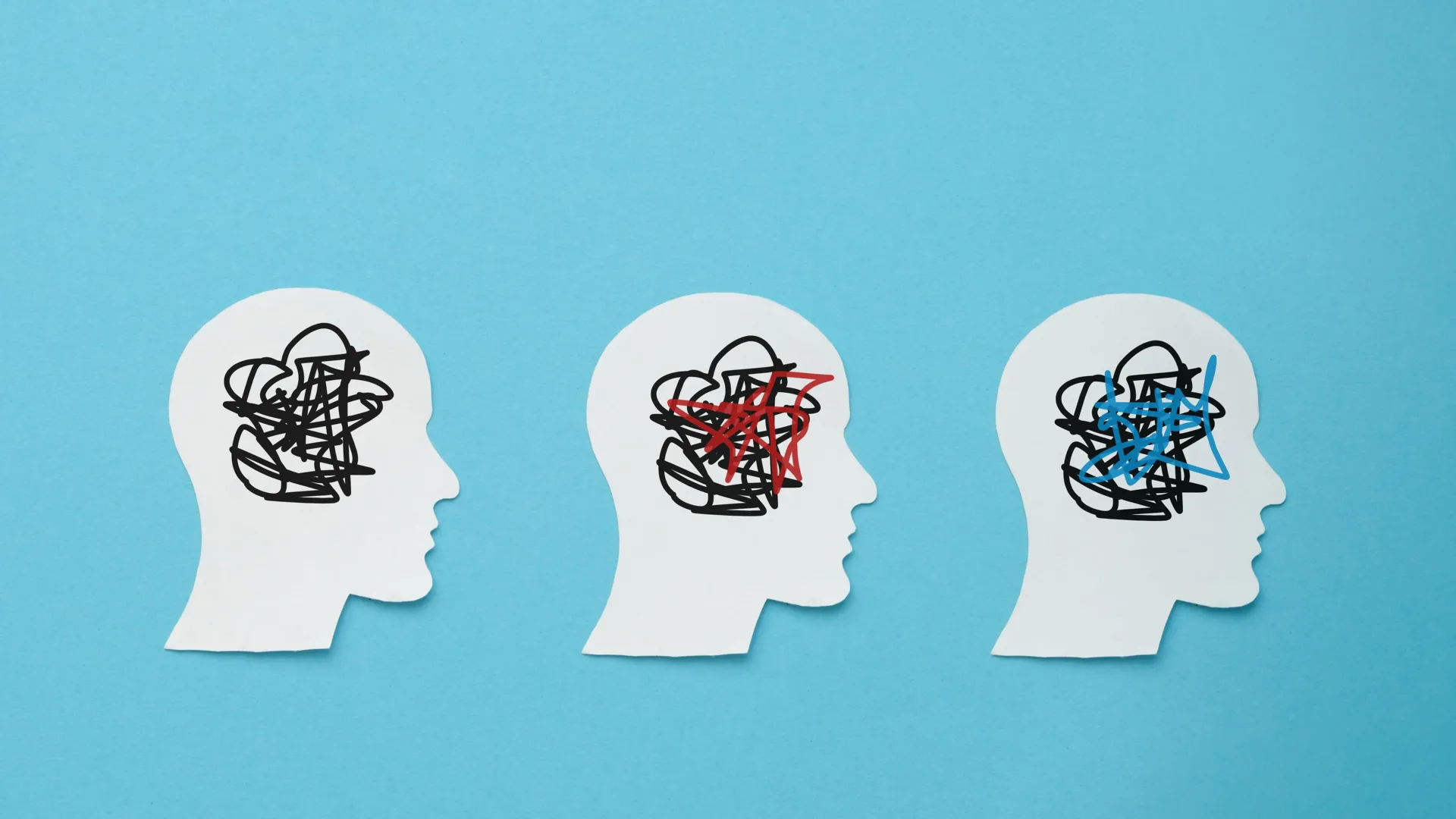
Using an artificial intelligence model, the scientists looked for differences in functional connectivity: how brain regions coordinate with one another. They combined scan data with diagnostic details and behavioral test results. The analysis pointed to two broad kinds of difficulty, involving cognitive and behavioral skills, and emotion and attention. Different combinations of these patterns formed three groups, which the researchers called the externalizing-disinhibited, internalizing-distressed, and mixed biotypes.
The names describe tendencies, not fixed categories or a diagnosis on their own. Children in the externalizing-disinhibited group more often showed impulsivity, hostility, defiance, aggression, and rule-breaking; ADHD diagnoses were more common there. The internalizing-distressed group showed more guilt, tension, perfectionist tendencies, and anxiety- and depression-related symptoms, and anxiety diagnoses were more common. Children in the mixed group had more trouble with attention and irritability, as well as more self-injury.
Crucially, no biotype belonged only to one diagnosis. Children with ADHD, anxiety, or both could fall into any of the three patterns, even though some patterns were more common with particular diagnoses. As co-senior author Yu Zhang, an assistant professor of psychiatry and behavioral sciences at Stanford, put it, “The high overlap between ADHD and anxiety actually hinders our understanding of the neurobiology underlying traditional, symptom-based diagnoses.”
The researchers stress the potential rather than an immediate change in care: the patterns may help explain why children with the same diagnosis can have different needs. Lead author Yong Jiao is a postdoctoral scholar at the University of Iowa; Zhang shares senior authorship with Jing Jiang, an assistant professor of pediatric neurology there. Further work will be needed to learn whether these brain profiles can improve early recognition or help match children with therapies. For now, the study offers a detailed map of differences that symptom labels alone can miss.