Alphonso Davies was born in a refugee camp in Ghana, the son of parents who had fled the horrors of war in Liberia. Today, the Bayern Munich captain and Canadian national team star stands as one of football's most powerful testaments to what becomes possible when displaced people find safety, opportunity, and welcome. This week, UNHCR unveiled Davies as captain of the Gamechanging Team—a symbolic squad of eleven professional footballers whose lives have been shaped by forced displacement, persecution, or war—arriving just weeks before the world's biggest sporting event, the FIFA Men's World Cup.
The announcement carries urgent weight. Over 117 million people are forcibly displaced globally, many of them children caught between trauma, family separation, and the psychological wounds of conflict. Yet the Gamechanging Team embodies a different story: what happens when young refugees are given a genuine chance. "In times like these, I hope we can bring hope and a belief that no matter how hard the road is, you can always overcome it," Davies said, speaking as both a UNHCR Goodwill Ambassador and living proof of that possibility.
The squad reads like a roster of resilience. Real Madrid's Eduardo Camavinga was born in Angola during the civil war before his family eventually reached France. His teammate Antonio Rüdiger's parents fled conflict in Sierra Leone, allowing their son to become one of the world's most accomplished defenders. Each player carries a story of displacement transformed into achievement—a narrative UNHCR chief Barham Salih believes the world needs to hear. "This summer marks the biggest World Cup ever. It is an ideal moment for UNHCR's Gamechanging Team to send a message of hope to fans all over the world," Salih said.
The timing is deliberate. The announcement precedes the UN's official World Football Day on May 25, and comes as global attention turns to sport at its grandest scale. But beyond the symbolic gesture, there is something quietly revolutionary in how UNHCR is positioning football itself—not just as entertainment, but as medicine. For children and youth among the world's displaced, sports serve a healing function. They improve mental and physical well-being, create pathways to inclusion, and can transform lives fractured by violence and upheaval. UN Spokesperson Stéphane Dujarric emphasized this dimension during his daily briefing from New York: "It highlights the power of football to be more than a game for young refugees, it can be healing, it can bring hope, it can bring belonging, it also has the power to change lives."
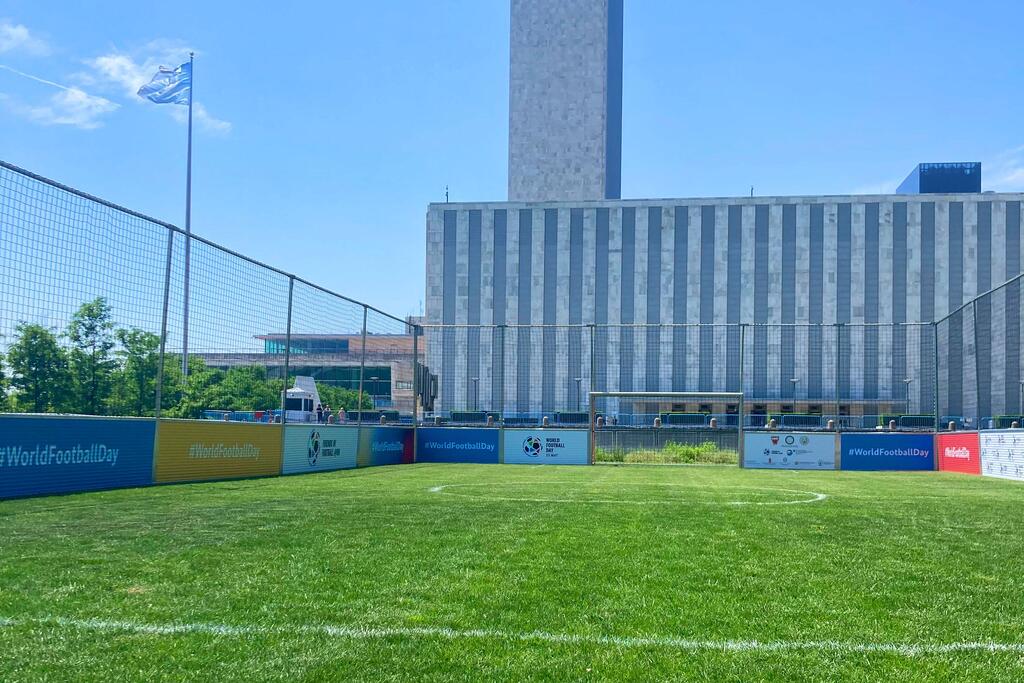
The vision extends beyond a roster announcement. On May 20, diplomats, former players, and UN staff—including General Assembly President Annalena Baerbock—are taking to the UN's North Lawn in Manhattan for a special knockout tournament, casting aside national loyalties to compete in regional teams. The event arrives as a record heatwave grips New York, temperatures climbing toward 40 degrees Celsius, but the symbolic gesture remains clear: even in the heat of a crisis moment, the beautiful game unites.
"Each team member has overcome adversity to achieve their dreams, and they are a powerful reminder of just what young, displaced people can achieve when they find safety and are given opportunities," Salih reflected. In a world fractured by conflict, the Gamechanging Team offers something increasingly rare: a vision not of problems unsolved, but of human potential unleashed.