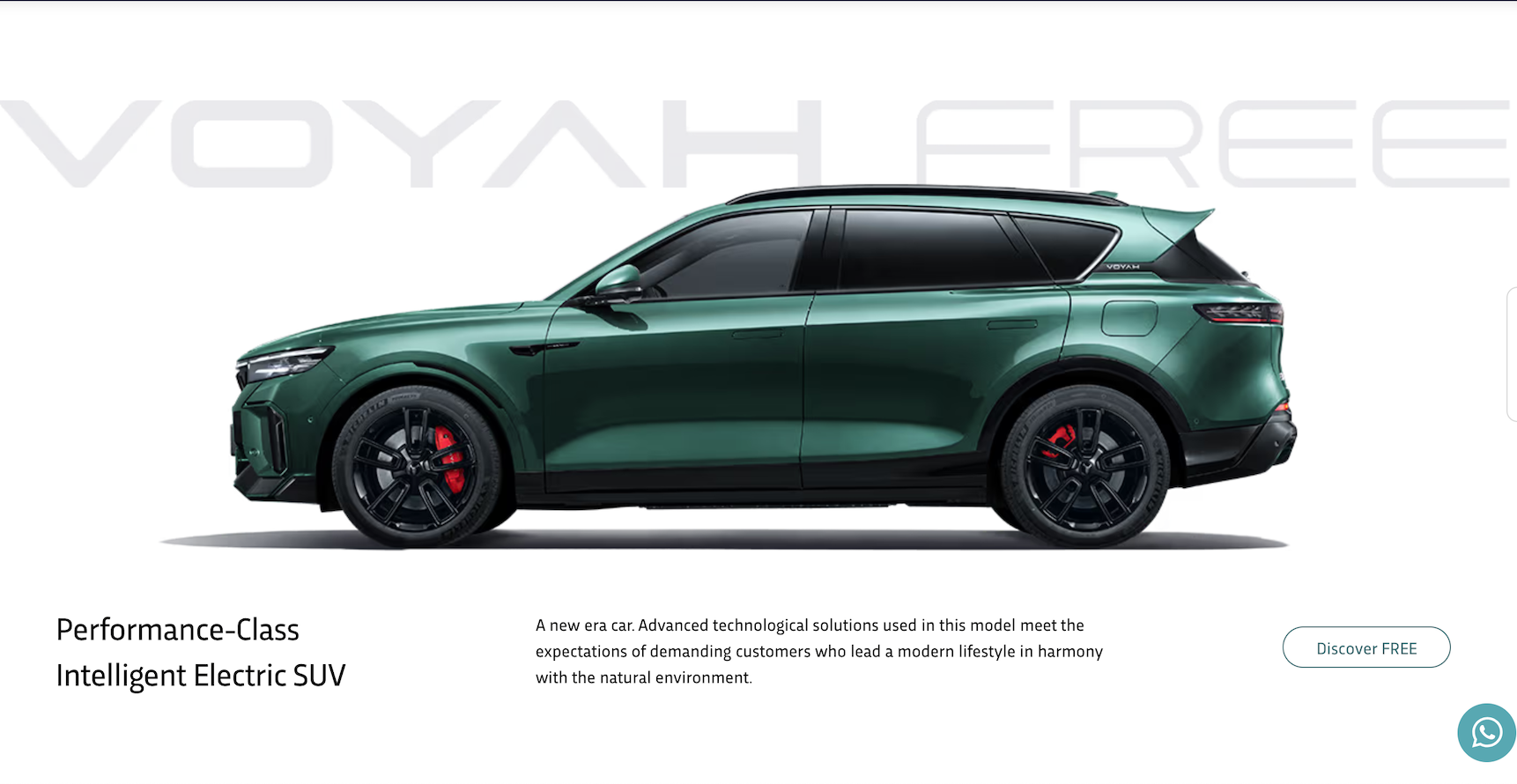
In a factory built in 1960 in Rennes, France, a new chapter is opening for electric vehicles—one that reflects a fundamental shift in how the global auto industry is reshaping itself. Stellantis and Chinese automaker Dongfeng have announced a partnership to produce luxury Voyah brand electric vehicles at the French facility, marking another milestone in the accelerating flow of EV technology and manufacturing into Europe.
The partnership is structured as a 51-49 joint venture, with Stellantis holding the majority stake and Dongfeng holding 49 percent. The arrangement is particularly telling as a mirror image of what has driven foreign automakers' entry into the Chinese market for decades: companies seeking access would accept a minority position alongside a Chinese partner. Now the dynamic has reversed, with a Chinese manufacturer gaining European production capacity alongside an established legacy automaker. For Stellantis—the sprawling conglomeration of brands that includes Peugeot, Jeep, Ram, and Abarth—it represents a pragmatic move toward securing EV production volume and expertise in a critical market.
The Rennes facility itself carries decades of automotive history. When it first opened in 1960, the plant became a workhorse for Stellantis predecessors, eventually reaching peak production of more than 400,000 vehicles per year. Like many legacy auto manufacturing centers in Europe, it faced underutilization as the industry transformed. Rather than close or abandon the site, Stellantis is breathing new life into it by pivoting to electric vehicle production—a decision that could preserve jobs and manufacturing knowledge in the region while building capacity for a critical market transition.
Voyah, Dongfeng's luxury EV brand, will be the focus of production at Rennes. The move speaks to Dongfeng's ambitions to establish a foothold in the European premium EV market, where Chinese manufacturers have begun making serious inroads. Europe remains both one of the world's largest automotive markets and a global leader in EV adoption, making it an unmissable target for any automaker with serious electric vehicle ambitions. The continent's regulatory environment, consumer demand, and manufacturing infrastructure make it the logical launching point for Chinese brands seeking international reach.
This partnership arrives as the broader competitive landscape shifts. Other Chinese EV makers, including BYD, have been actively exploring ways to acquire or utilize dormant factories across Europe to scale production. Dongfeng's move with Stellantis suggests that partnerships with established automakers may offer a faster, more politically palatable route than outright acquisition—particularly in a region where local manufacturing still carries significant weight in policy and public perception.
The partnership also underscores how legacy automakers like Stellantis are navigating a precarious middle ground. Unable to ignore either the regulatory imperative toward electrification or the competitive threat posed by Tesla and Chinese manufacturers, companies are increasingly willing to share ownership and operational control in exchange for market access, technology, and production volume. For Stellantis, having Dongfeng's expertise in EV design and battery technology alongside its own manufacturing base in a key European market may prove invaluable.
While the announcement doesn't specify the Rennes facility's eventual EV production capacity, the plant's historical output suggests significant potential. As both partners invest in the transition from combustion engines to battery power, the factory that once defined French automotive production could become a symbol of Europe's electric vehicle future.