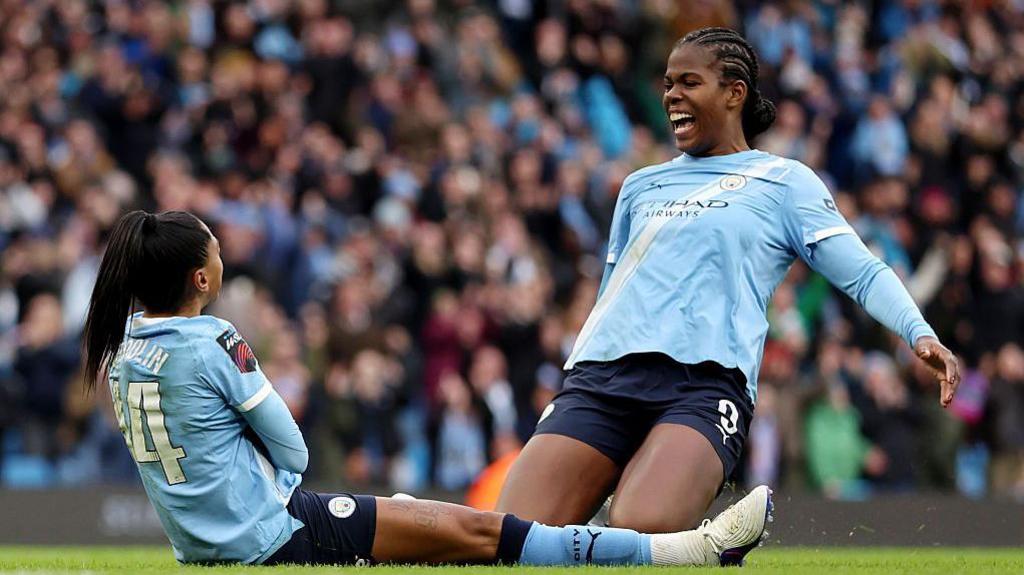
Manchester City lifted the Women's Super League trophy after a decade away, wrapping up the title before the final game and ending Chelsea's six-year reign with a performance that signals the English game is finally breaking free from singular dominance.
For years, Chelsea defined English women's football with an iron grip on the WSL. But the 2025-26 season painted a different picture—one where ambition, careful management, and exceptional individual talent converged to reshape the landscape. City's ascension from fourth place last season to champions this year comes at a moment when the entire league is moving in a more competitive direction. A bumper new TV deal has brought fresh momentum, while the Lionesses' Euro 2025 victory lifted the sport on a wave of national enthusiasm that seemed to carry through every match.
Under Swedish manager Andree Jeglertz's guidance, Manchester City boasts the most wins, the most goals, and the second-best defence in the division. But perhaps more tellingly, they have Khadija Shaw, the league's top scorer for the third consecutive season. Shaw's individual brilliance has been matched by a team culture that Jeglertz has deliberately cultivated. "You can have success one year but if you want to build something for the future you need to create an environment where everyone says: 'Wow, I don't want to go home from work,'" the manager told BBC Sport. That philosophy appears to have worked. City seized top spot in week eight and never surrendered it—a statement of control that should have rivals thinking hard about next season.
Yet questions loom. Shaw is out of contract in the summer and has been heavily linked with a move to Chelsea, potentially disrupting the chemistry that brought success. More significantly, City enjoyed relief from European football this season. Shaw played nearly 800 minutes fewer than Arsenal's Alessia Russo, a breathing space that may not exist when Champions League football returns. Their competitors, particularly Chelsea, will be reshuffling too. Chelsea's 15 wins this season represent their lowest tally in a full campaign since 2018-19, suggesting the defending champions have significant room to reset and rebuild.
Other traditional powers are stirring from deeper down the table. Tottenham impressed under boss Martin Ho, climbing from 11th place in 2024-25 to achieve their record WSL points total. Ho is explicit in his ambitions, declaring that Spurs want recognition not just as one of Britain's best, but one of Europe's best. Meanwhile, Manchester United faces pressing questions after their top-three push faltered, leaving long-serving manager Mark Skinner under scrutiny. Both clubs will need careful investment to genuinely contend across multiple competitions.
Yet for all the excitement of City's triumph and the promise of new challengers, the broader season offered a more muted picture. Only 2021-22 saw fewer goals scored across the league—384 this season compared to 392 in that earlier year. There were 10 goalless draws, more than any other season this decade. The title race lacked tension for months, much like the relegation picture, where a new 14-team format means only the bottom-placed team faces real jeopardy. Even scheduling changes aimed at building audiences—shifting from Sunday evening slots to noon kick-offs—have backfired slightly, competing directly with grassroots football and saturated Premier League coverage.
The 2025-26 WSL has proven one thing beyond question: the era of unbroken Chelsea dominance has ended. What comes next, whether City can sustain their success or new powers will emerge, promises to be genuinely unpredictable.