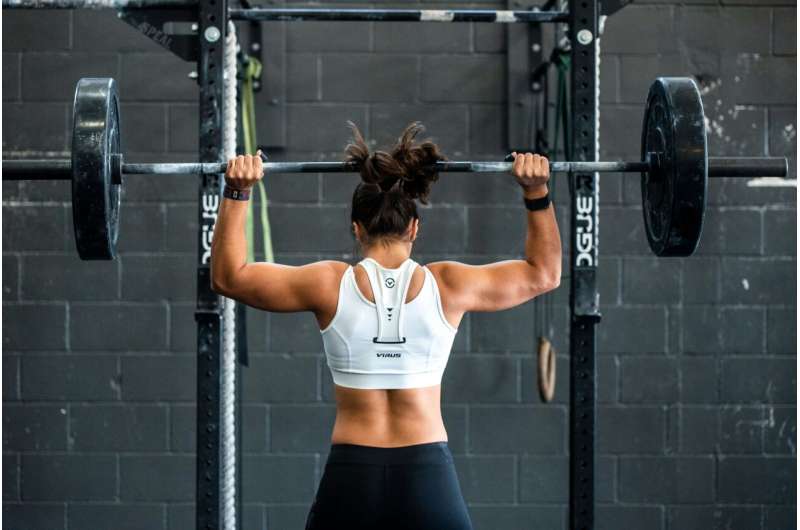
When 68-year-old nurse Linda Chen in Boston started lifting light dumbbells during her lunch breaks, she didn’t expect it would one day help protect her heart—just as much as her daily walks. She’s not alone. A groundbreaking study of 117,025 women from the Nurses’ Health Study and Nurses’ Health Study II reveals that strength training, long overshadowed by aerobic exercise in heart health conversations, delivers powerful protection against major cardiovascular disease—especially when combined with other healthy movement habits. With cardiovascular disease remaining the leading cause of death worldwide, these findings offer a clear, actionable path for millions of women seeking to reduce their risk.
The research, led by Dr. Tianyue Zhang at the Harvard T.H. Chan School of Public Health, tracked women across decades, assessing their resistance training, aerobic activity, and sedentary behaviors like TV watching. The results are striking: women who spent two or more hours per week on strength training had a 20% lower risk of major cardiovascular events, including heart attacks and strokes, and a remarkable 44% lower risk of myocardial infarction compared to those who didn’t lift at all. Each additional hour of weekly strength training was linked to a 5% drop in overall cardiovascular risk and a 14% reduction in heart attack risk—benefits that held even after accounting for body mass index and conditions like diabetes and high blood pressure.
What makes this study unique is its focus on movement as a whole. While aerobic exercise—like brisk walking, cycling, or swimming—has long been championed for heart health, resistance training has often been treated as optional. Yet the data shows it’s far more than a supplement. Women who met the full U.S. guidelines—150 minutes of moderate-to-vigorous aerobic activity, two or more hours of strength training, and limited sedentary time—had the lowest risk of heart disease across the board. Even among women already doing aerobic exercise, adding strength training delivered an extra 45% reduction in heart attack risk compared to inactive peers.
"These findings suggest that, within an already active population, RT is associated with additional reductions in CVD risk above and beyond overall aerobic activity," said Dr. Zhang, underscoring the importance of a well-rounded approach. Though the study relied on self-reported data and included a largely white, female nursing cohort, its message resonates: strength training isn’t just for building muscle—it’s a vital tool for building longevity.
As public health strategies evolve, this research offers a compelling case for rethinking fitness recommendations. For women everywhere, especially as they age, the message is clear: picking up weights isn’t just about strength—it’s about safeguarding the heart.