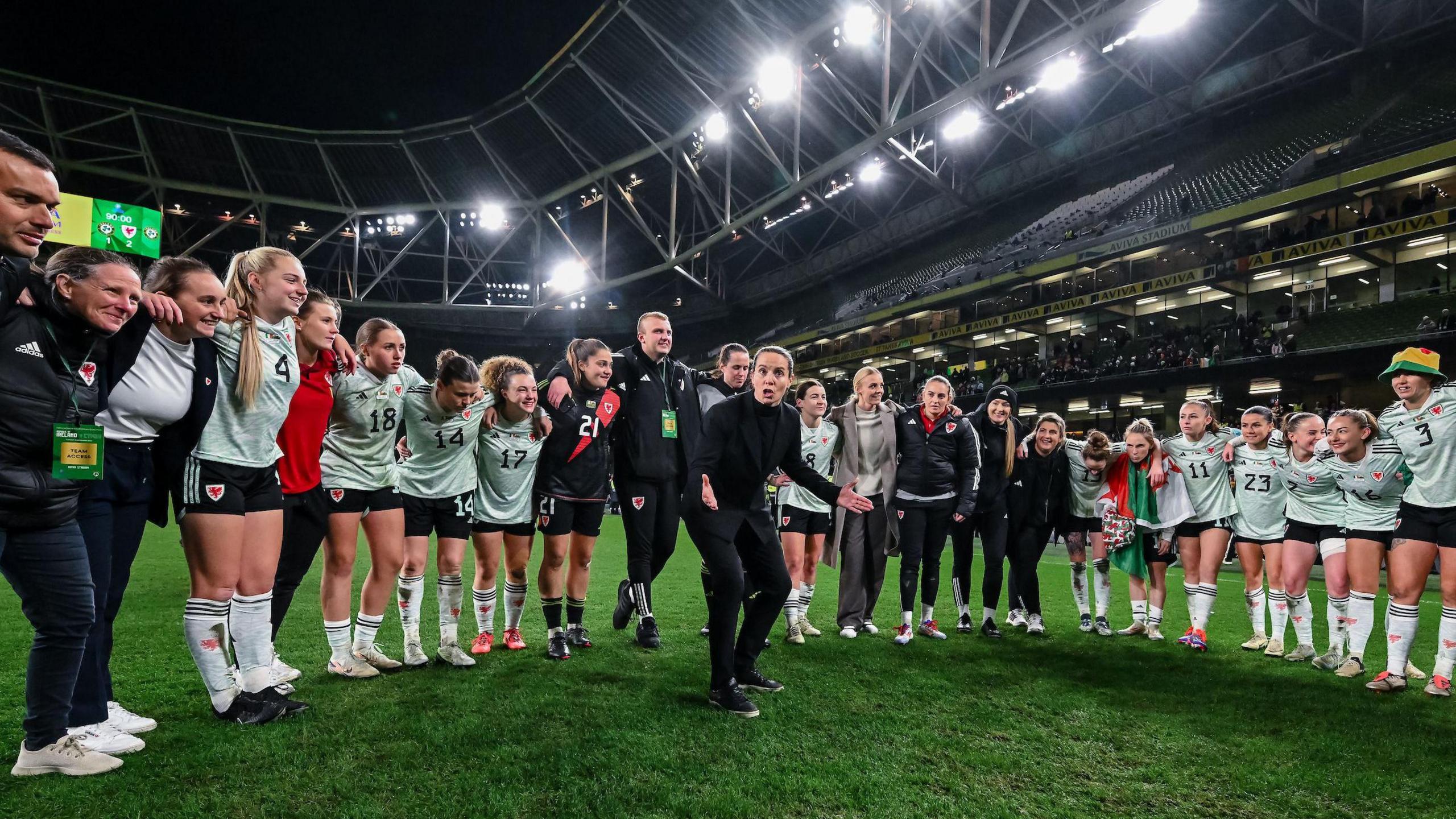
Rhian Wilkinson has signed a contract extension as Wales women's football head coach—a vote of confidence from the Football Association of Wales that comes on the heels of a historic achievement. In just ten months in the role, Wilkinson led Wales to their first-ever appearance at a women's major tournament, qualifying for Euro 2025 after the nation had come painfully close several times before. That breakthrough alone marks a turning point in Welsh football, but the new deal signals the FAW's belief that she can guide the team toward even greater milestones.
Wilkinson arrived in February 2024, six weeks after her predecessor Gemma Grainger departed to take charge of Norway. Grainger had brought Wales tantalizingly close to a major tournament, only for them to fall short in the 2023 World Cup play-offs when Switzerland prevailed. The squad Wilkinson inherited was in reasonable shape despite a difficult autumn 2023 campaign that saw them relegated from the Nations League's top tier—but they remained unproven at the highest level. It was Wilkinson who found the formula to finish what others had started.
Coming through their qualifying group unbeaten, Wales then defeated Slovakia and the Republic of Ireland in playoff ties to seal their spot at Euro 2025. The triumph in Dublin in December 2024 sparked jubilation across the nation, marking the end of a long wait. Yet the tournament itself proved bittersweet. Wales suffered three heavy group defeats against high-class opponents and endured a painful 12-game winless run through early 2025 before finding their footing again with a victory over Switzerland in a friendly last December.
Now Wilkinson faces fresh challenges. Wales sit second in Group B1 of Women's World Cup qualifying heading into crucial matches next month against Montenegro and the Czech Republic, who currently top the group on goal difference. Overtaking the Czechs would provide a more favorable path through the playoff stage, though reaching next year's World Cup in Brazil will require navigating significant hurdles. Former Wales captain Kath Morgan believes the contract extension reflects genuine confidence in Wilkinson's ability to deliver qualification. "She will be judged on qualification and she must be confident that Wales will qualify for the World Cup," Morgan said.
Yet Wilkinson faces a different task now than the one that earned her the contract extension. Wales are in a rebuilding phase following the departures of inspirational captain Jess Fishlock and senior defender Kayleigh Barton last autumn. Aging stalwarts like Sophie Ingle, Rhiannon Roberts, and Rachel Rowe remain, but cannot play forever. The head coach's job is to integrate young players and establish a sustainable pathway that keeps Welsh football competitive over the next two to four years.
Morgan and others have flagged concerns about the depth of that pathway. With few Welsh players getting consistent minutes at WSL level, the pool of talent rising through the system appears shallow compared to rival nations. David Adams, the FAW's chief football officer, acknowledged this challenge when announcing the extension, noting that Wilkinson's role across the national team pathway must ensure successful transition of youth players. For Wilkinson, the contract validates what she has already achieved—but the real work of building something lasting is only beginning.