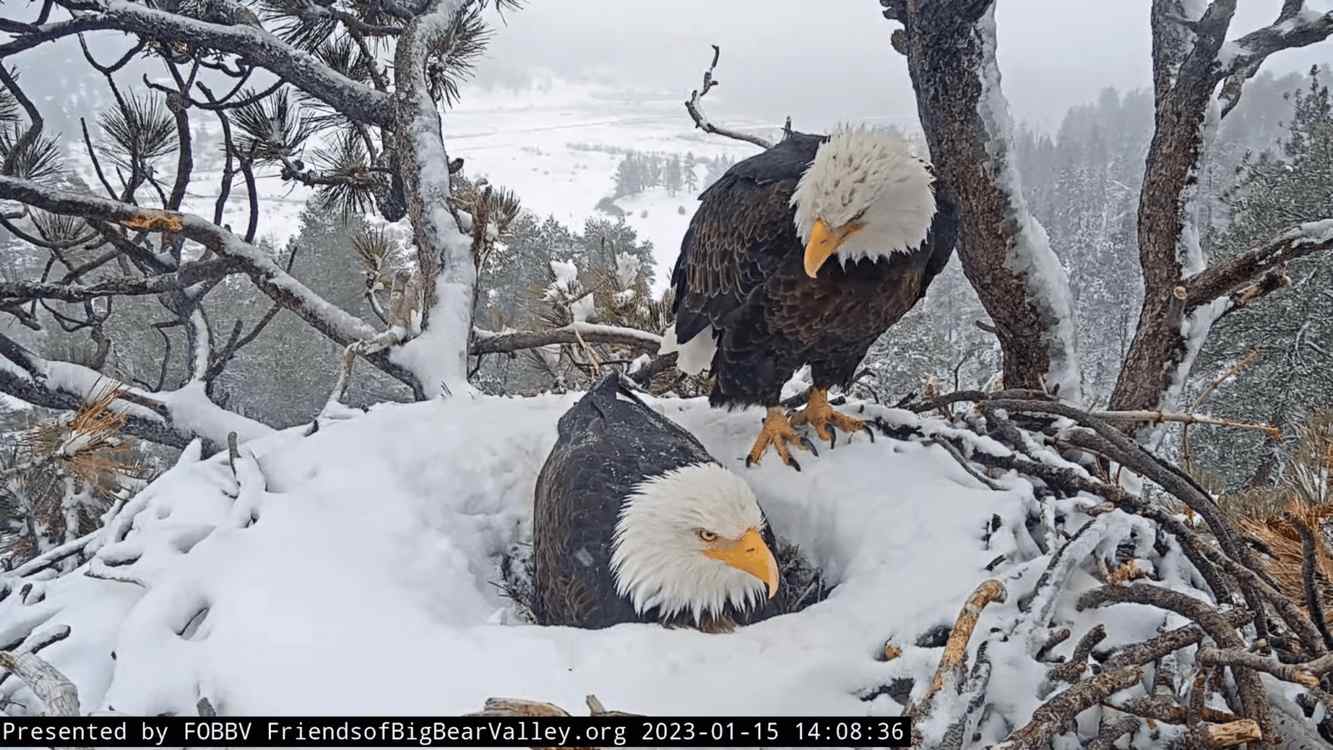
Fourth graders in California's Big Bear Valley have turned their science classroom into a fundraising headquarters, driven by an unlikely pair of mentors: Jackie and Shadow, a mating pair of bald eagles nesting on the shores of Big Bear Lake.
For months, science teacher Sara Stinson's students have watched the eagles through a 24/7 livestream camera managed by the Friends of Big Bear Valley nonprofit. They witnessed Jackie and Shadow build their nest, lay eggs, and raise two chicks—a front-row seat to the cycle of life that made their science curriculum come alive in ways textbooks never could. But when Stinson discovered that the last undeveloped shoreline where the eagles hunt was slated to become a luxury housing development, her fourth graders didn't hesitate. They asked her the question that sparked everything: "What can we do?"
The land in question, called Moon Camp, represents far more than hunting grounds for the iconic bald eagles. The biodiverse parcel is home to endemic plant species like the ash-gray Indian paintbrush, making it a critical ecological refuge at a pivotal moment. The San Bernardino Mountains Land Trust (SBMLT) has entered into a Purchase Option Agreement with the developer, giving them until the end of July to raise the $10 million needed to buy the land and protect it from development. Without the funds, the habitat—and the very place where Jackie, Shadow, and their chicks depend—could disappear forever.
What started as a classroom conversation became a movement. One fourth grader set up a lemonade stand. Another created and posted flyers around local businesses with donation information. Bake sales materialized. The students, some as young as nine years old, mobilized with remarkable focus, understanding viscerally what was at stake: the animals they had come to know and care for over the course of an entire year.
"When we first heard about this news, it was very sad for us because we are worried that the thing we have been watching for years can go away," fourth grader Evie Cook said, capturing the emotional weight her classmates carried.
Together with FOBBV, the SBMLT has raised approximately $2.5 million—a quarter of the needed total. Rather than surrender if the full amount isn't reached through grassroots efforts, both organizations are prepared to pursue a loan to close the gap. But the fourth graders aren't waiting for the adults to solve this problem. They're out there, lemonade pitcher in hand, each dollar earned a small act of advocacy for creatures that taught them something deeper than ecology: that humans can make a difference when they care enough to try.
This is what environmental stewardship looks like when it begins young—not as abstract concern but as concrete action driven by genuine connection. Jackie and Shadow, it turns out, have been teaching their young observers a lesson far more valuable than any textbook could deliver.