When it comes to grocery shopping, plant-based proteins might be more resilient than we thought.
A new study from Simon Fraser University found that plant-based proteins are actually less sensitive to price changes than animal products — a counterintuitive finding that could reshape how we think about making sustainable eating more accessible. Researchers analyzed 87,000 grocery transactions from 58,000 shoppers in Canada and 29,000 in Finland over two-year periods, using loyalty-card data to track what people actually bought, not what they said they might buy.
"Price has often been described as a major barrier to buying plant-based foods, but our data suggests the relationship is more complicated," said Cameron McRae, lead author of the study published in Communications Sustainability.
The team tracked seven plant-based protein categories — including legumes, soy and oat milks, tofu, and meat substitutes — alongside fourteen animal-based categories like beef, pork, poultry, eggs, and dairy. What they found surprised them: when prices rose, consumers tightened their belts on meat purchases more sharply than on plant-based ones.
The pattern held across income levels, but with an important nuance. People with lower socioeconomic status were more price-sensitive overall — yet the gap between high- and low-income shoppers was smaller for plant-based products than for animal-based ones. That suggests that as plant-based options expand and prices become more competitive, they could actually help level the playing field for sustainable eating.
Currently, meat shoppers enjoy a built-in workaround: when prices climb, they trade down from steak to ground beef. But plant-based aisles often offer just two or three options, leaving eco-conscious consumers with fewer cheap alternatives.
"If sustainability is the goal, plant-based foods can't remain a premium option," McRae said. The study calls for more parity in pricing — imagine a two-liter carton of dairy milk and its plant-based counterpart sitting at similar price points — along with discounts or subsidies that could help more households green up their grocery carts.
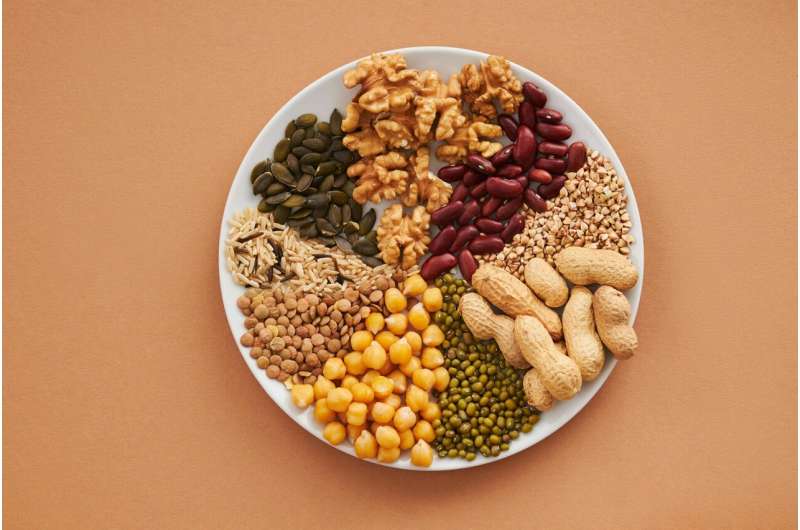
The practical takeaway? Not all plant-based swaps are created equal. One-to-one replacements, like trading dairy cheese for plant-based cheese, often inflate grocery bills. But legumes, lentils, and peas tell a different story. Swapping meat for beans a couple times a week can actually trim food costs while cutting carbon footprints.
"If people focus less on highly processed plant-based substitutes and more on whole foods like beans, lentils and peas, a plant-forward diet can actually be less expensive overall," McRae said.
The research adds a layer of optimism to the sustainable eating conversation: the barrier isn't just price — it's variety, accessibility, and the simple fact that more choices create more flexibility. As grocery stores expand their plant-based sections, the path toward greener shopping carts may turn out to be easier — and cheaper — than we assumed.