Inside the homes of West London, researchers discovered something that visual inspection alone had completely missed: homes are living, breathing fungal ecosystems far more complex than the outdoor air around them. Imperial College London's groundbreaking West London Healthy Home and Environment Study revealed over 2,000 fungal genera thriving in household air—a finding that fundamentally reshapes how we understand indoor environments and the hidden health risks they may contain.
Over two years, scientists from Imperial's School of Public Health analyzed the air in 118 households, using DNA sequencing and molecular profiling to map the fungal landscape with unprecedented detail. The study focused on children with asthma or allergies and families from ethnic minority groups and lower socio-economic backgrounds—groups already bearing disproportionate health burdens. What they found challenges decades of housing inspection practices: indoor air in urban environments can be significantly more complex and diverse than the air outside, and these invisible threats follow seasonal patterns that shift the fungal communities throughout the year.
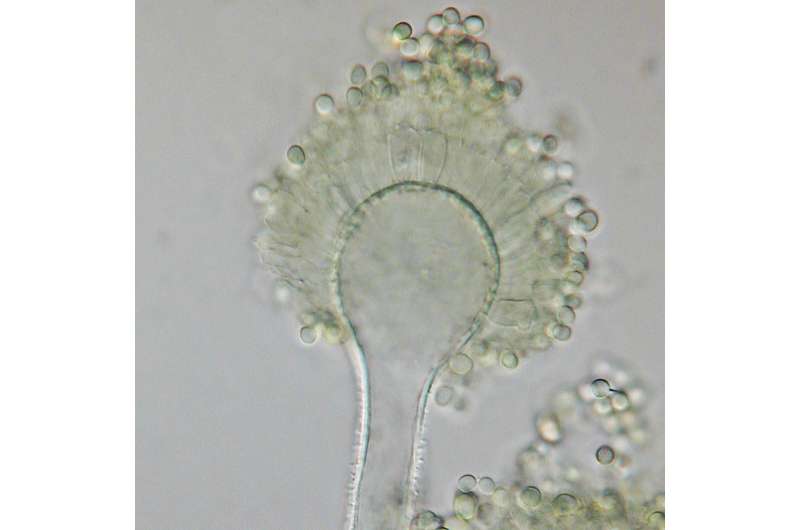
The most startling discovery was what remained hidden. Fungal groups linked to respiratory disease and asthma—particularly Aspergillus and Penicillium—were consistently enriched indoors. Yet in one household, researchers detected persistently elevated levels of Aspergillus with no visible mold evident to the naked eye. The child living there, who had a confirmed Aspergillus allergy, experienced repeated asthma-related hospitalizations during the study period. This single case crystallizes the gap between what we can see and what actually threatens our health.
Current housing inspection methods rely primarily on visual assessment and qualitative observation. Samuel Hemmings, a Ph.D. student in Imperial's School of Public Health, explains: "Historically, mold assessment in U.K. homes has been largely qualitative, based on visual inspection, the presence of a limited number of species, or measurements of damp. This research demonstrates that these methods alone are not sufficient in detecting the true burden of fungal bioaerosols within homes." The implications are sobering—how many vulnerable people are currently exposed to hidden fungal risks that routine inspections fail to catch?
The research arrives at a pivotal moment. Awaab's Law, prompted by the tragic death of 2-year-old Awaab Ishak from mold exposure in social housing, marked a watershed in recognizing mold as a serious public health hazard. Yet the law has exposed a critical gap: there are no quantitative legal standards defining safe or unsafe levels of airborne fungal exposure. While we have established thresholds for other forms of air pollution, fungal bioaerosols remain unquantified in regulation.
The research team is now calling on policymakers to develop quantitative exposure standards for indoor fungal bioaerosols. Such thresholds could transform how damp and mold are assessed in housing, enabling earlier identification of hidden risks and stronger protections for the most vulnerable—children with asthma, allergy sufferers, and immunocompromised individuals. Professor Matthew Fisher, Professor of Fungal Disease Epidemiology at Imperial, sums up the urgency: "Fungal aerosols are an important but often overlooked component of indoor air pollution. Integrating fungal monitoring into housing and public health policy is now vital for improving respiratory health in the U.K." By establishing detailed baseline exposure data across a large sample of U.K. homes, Imperial's research provides the foundation policymakers need to act.