On a sun-drenched balcony in Nafplio, Maria Kostas adjusts her laundry rack with one hand while sipping iced coffee—her clothes dry in half an hour, warmed by Aegean breezes and Greece’s relentless summer sun. This simple act, repeated on balconies across the country, is part of a quiet energy revolution that has made Greece a hidden leader in sustainable living. While the world scrambles to decarbonize, Greece is already doing it—not just with high-tech solutions, but with cultural habits and smart policies that turn sunlight into savings.
The shift matters because heating, cooling, and household energy use account for nearly 40% of global emissions. In Greece, a combination of solar power, heat pumps, and passive solar practices has slashed fossil fuel dependence and created a model others can follow. The country now generates 17% of its electricity from solar—up from just 1.5 gigawatts in 2012 to 11.5 gigawatts in 2025—and low-carbon sources make up half the grid. But what truly sets Greece apart is how deeply solar energy is woven into daily life.
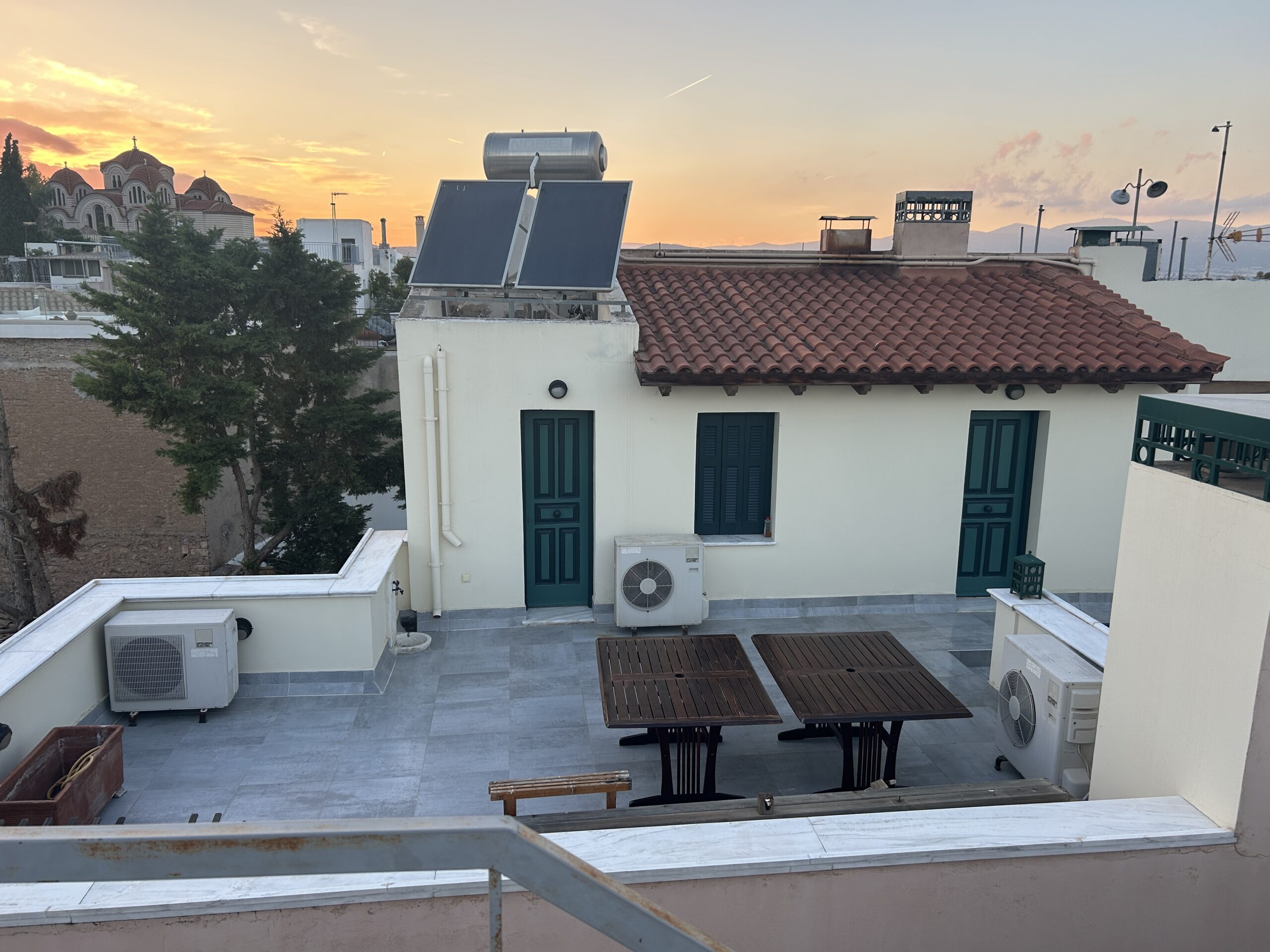
Ductless heat pumps, efficient and perfectly suited to the Mediterranean climate, are mounted on nearly every building, from island studios to Athens apartment blocks. These units cool homes in summer and can heat them in winter, running on solar-generated electricity. Even more striking is the near-universal use of solar water heaters: an estimated 35% of Greek homes had one as of 2021, compared to just 2% of U.S. homes adopting even the most efficient electric models. The systems cost as little as €350, with rebates cutting prices further, making them accessible to nearly everyone.
And then there’s the laundry. Electric dryers are rare—instead, clotheslines crisscross courtyards and balconies, saving 3–5 kWh per load. That’s not just energy saved; it’s a cultural rhythm, a scent of sun-warmed cotton, a $400–$600 annual household saving when applied to water heating. Greece’s approach shows that net zero isn’t just about technology—it’s about integrating smart systems with everyday life.
As solar prices fall and climate pressures rise, Greece’s blend of innovation and tradition offers a roadmap: efficient, affordable, and deeply human. The future of energy isn’t just in the grid—it’s on the balcony, in the sunlight, and within reach.