In Denver's off-peak hours, drivers charging electric vehicles pay just seven cents per kilowatt-hour — enough to fuel a car for the cost of a single gallon of gasoline. But there's a fuel even cheaper than that: sunshine itself.
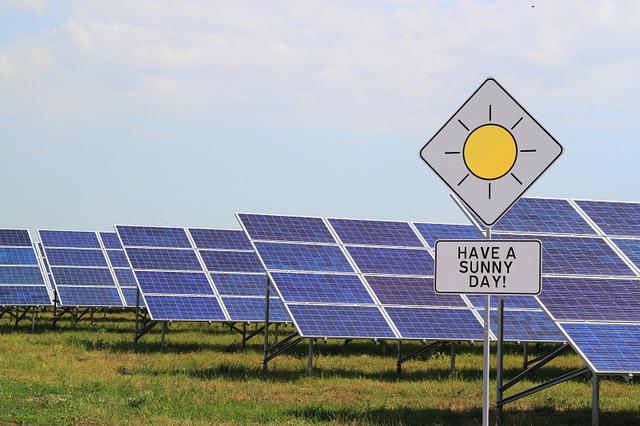
For homeowners with solar panels on their roofs, the mathematics of transportation shifts fundamentally. Every extra kilowatt-hour generated from those panels costs $0.00 to use. If you have excess electricity flowing into your car instead of back to the grid, you're driving on fuel with zero marginal cost — a reality that transforms the entire economics of vehicle ownership and energy use.
Yet the opportunity extends far beyond rooftop solar. Community solar programs are bringing this same advantage to renters and homeowners without control over their roofs, democratizing access to sunshine-powered driving in ways that seemed impossible just years ago. One Denver resident participating in a community solar program reports paying nothing to charge their electric vehicle, while still benefiting from credits when they generate more electricity than they use. Another Denver driver using the Neighborhood Sun community solar program — which offers a 10 percent discount on top of already-cheap rates — charges their Model Y for approximately the cost of one gallon of gasoline.
The contrast with traditional fuel is striking. A homeowner with rooftop solar who generates excess electricity in spring and summer might charge for as little as $8 per 250 miles of driving. In winter months with less sun, costs rise, but across the year, the long-term average cost of solar-generated electricity typically undercuts grid rates significantly — especially when accounting for the 25- to 30-year lifespan of modern panels. And that's just the operating cost. Beyond the fuel itself, the comparison becomes almost absurd: driving on solar requires no drilling rigs, no refineries, no distribution networks spanning continents.
Community solar gardens — arrays installed in fields or on commercial rooftops, shared among many households — solve a critical barrier that has long limited solar adoption. Not everyone owns a home with suitable roof space. Renters are locked out entirely. Older buildings, shaded properties, and townhouses where roof access is restricted or risky have remained invisible to the solar revolution. Community programs change that calculus. By letting customers buy into shared arrays and receive credits for their portion of the electricity generated, these programs extend the economic benefits of solar to millions of households previously unable to access them.
The practical result is radical: sunshine, the most abundant energy source on the planet, has become the cheapest fuel for personal vehicles. Unlike oil prices that fluctuate with global markets and geopolitics, solar fuel is locally generated, predictable, and immune to supply shocks. A driver powered by community solar in Denver enjoys energy independence that a gasoline driver will never have.
As more regions expand community solar programs and more households install rooftop panels, the cost curve continues downward. The question is no longer whether solar can power cars cheaply — it clearly can. The emerging question is how quickly these programs can scale to reach the millions still paying far more for their commutes than necessary.