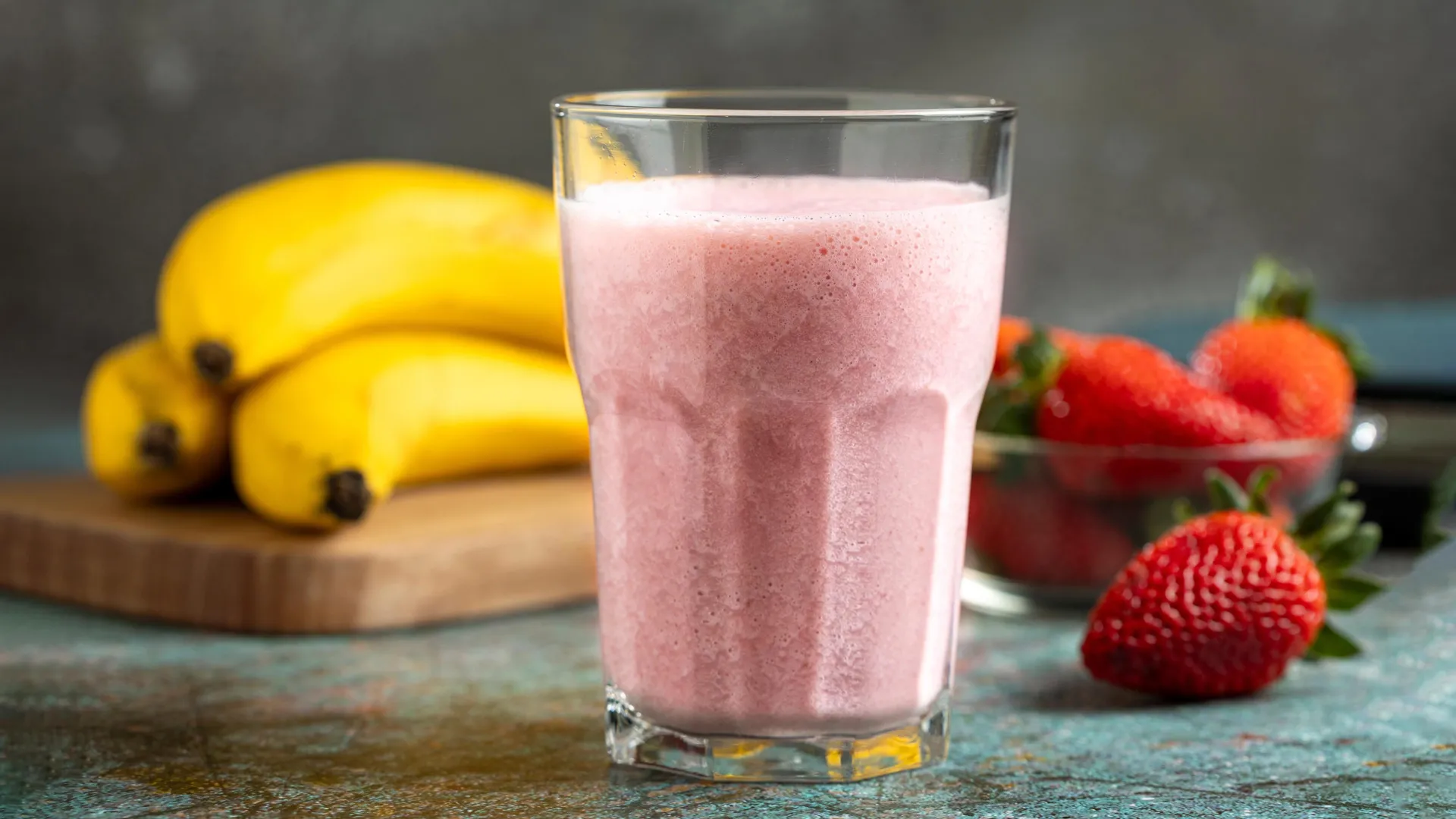
When Javier Ottaviani and his team at UC Davis blended a banana into a smoothie alongside flavanol-rich berries, they discovered something that upended a staple of healthy eating: the banana reduced the body's ability to absorb those beneficial compounds by a striking 84 percent.
The finding matters because flavanols—natural plant compounds found in berries, grapes, cocoa, and apples—have been linked to heart and cognitive health. Nutrition experts recommend between 400 and 600 milligrams daily for cardiometabolic benefits. Yet many people unknowingly sabotage their intake by pairing these flavanol powerhouses with bananas, not realizing that a simple food combination can fundamentally change what their bodies actually absorb.
The culprit is an enzyme called polyphenol oxidase, or PPO, which exists naturally in high amounts in bananas but only in small amounts in berries. Anyone who has watched a sliced apple brown in air or a peeled banana darken has seen PPO at work—it triggers the browning reaction when fruit is cut or exposed to oxygen. Ottaviani, director of the Core Laboratory of Mars Edge and an adjunct researcher at UC Davis, wondered whether that same enzymatic process might also diminish the nutritional value of blended drinks.
To test the idea, researchers in the study, published in the Royal Society of Chemistry journal Food & Function, gave participants three different options: a banana-based smoothie, a mixed berry smoothie, and a flavanol capsule that served as a control. Blood and urine samples revealed the dramatic difference. People who drank the banana smoothie absorbed 84 percent less flavanol than those who took the control capsule, while the low-PPO berry smoothie produced flavanol levels nearly identical to the capsule.
"We were really surprised to see how quickly adding a single banana decreased the level of flavanols in the smoothie and the levels of flavanol absorbed in the body," Ottaviani said, capturing the shock of the finding.
The researchers ran a second test to explore whether PPO's damage occurred only during blending or continued afterward. When participants consumed flavanols alongside a high-PPO banana drink but kept the ingredients separate before drinking, flavanol levels still dropped significantly. This suggests the enzyme may continue its work even in the stomach, complicating the picture further.
The implications are practical and specific. Those seeking to maximize flavanol intake should avoid pairing berries, grapes, or cocoa with bananas. Instead, Ottaviani recommends combining flavanol-rich fruits with low-PPO alternatives like pineapple, oranges, mango, or yogurt. Bananas remain nutritious—they deliver fiber, potassium, and other valuable nutrients—but they belong either on their own or in smoothies where flavanol optimization is not the goal.
The study itself was small, involving just eight healthy men in the first phase and eleven participants in the second. Nutrition experts urge people not to overreact, noting that smoothies with bananas can still be nutritious as part of a varied diet. Individual digestion, food patterns, and overall dietary habits all matter. The real lesson is subtler: a smoothie is not merely a pile of nutrients in a glass. How ingredients interact can determine what your body actually receives.