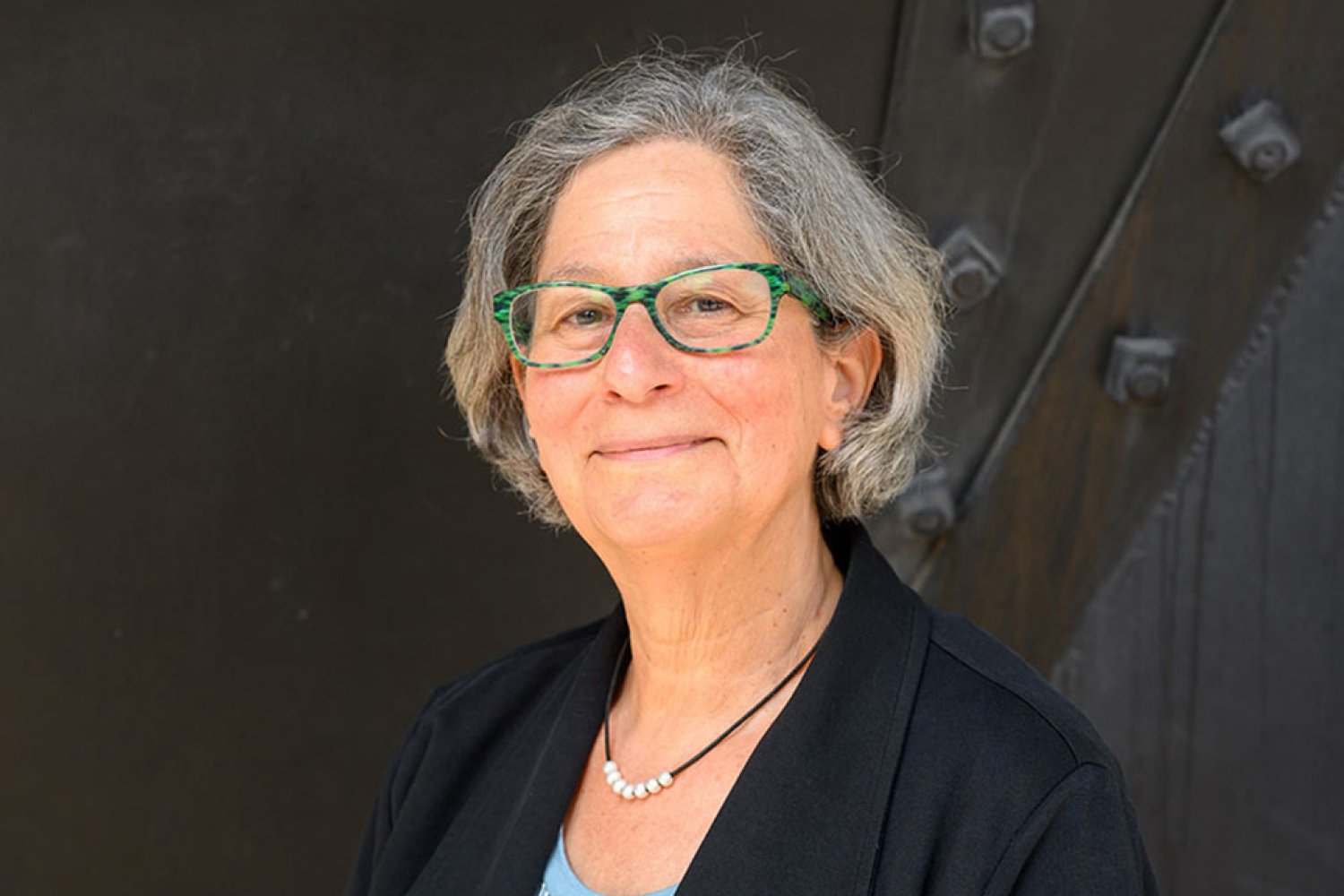
When Susan Solomon stood on the icy expanse of Antarctica in 1986, leading a team of 16 scientists as the only woman among them, she was chasing a mystery that would reshape global environmental policy: the sudden, alarming disappearance of ozone above the South Pole. Thirty-eight years later, her pioneering work—once dismissed by some as too bold—has earned her the 2026 Tang Prize in Sustainable Development, one of the world’s most prestigious honors in environmental science. The award recognizes her “groundbreaking advances and leadership in atmospheric and climate sciences that shaped global policy for Sustainable Development,” according to the Tang Prize Foundation.
Solomon’s breakthrough came in 1986, when she published a revolutionary paper explaining the chemical mechanism behind the Antarctic ozone hole. At the time, the scientific community was baffled by satellite data showing a dramatic thinning of the ozone layer, which protects life on Earth from harmful ultraviolet radiation. Solomon proposed that chlorofluorocarbons (CFCs)—commonly used in aerosols and refrigeration—were breaking down ozone in the stratosphere through previously unknown reactions on polar stratospheric clouds. That same year, she led the National Ozone Expedition to Antarctica, where her team gathered the first direct evidence confirming her theory. Their findings became the scientific foundation for the 1987 Montreal Protocol, the first global treaty to successfully phase out ozone-depleting substances. Today, it stands as one of the most effective international environmental agreements in history, ratified by all 198 UN member states.
Her influence didn’t stop there. From 2002 to 2008, Solomon co-led the Intergovernmental Panel on Climate Change (IPCC) Fourth Assessment Report, a landmark synthesis of climate science that later contributed to the IPCC being awarded the Nobel Peace Prize in 2007. She also pioneered research showing that the climate impacts of carbon dioxide emissions persist for over 1,000 years—even after emissions cease—highlighting the long-term consequences of human activity. More recently, Solomon provided the first quantitative proof that the ozone layer is on track to recover by around 2035, a testament to the power of science-driven policy.
Now the Lee and Geraldine Professor of Environmental Studies at MIT, with joint appointments in Chemistry and Earth, Atmospheric and Planetary Sciences, Solomon reflects on the broader meaning of the Tang Prize. “Most of the awards I’ve gotten previously have been very focused on the science that I did, but this one embraces the fact that my work has benefit for the planet’s sustainability,” she says. “People recognize that my work did something valuable. That is an incredible, humbling, and remarkable feeling.”
As climate challenges mount, Solomon’s career stands as a beacon: proof that rigorous science, courageous leadership, and international cooperation can heal the planet.