When Marta Kostyuk danced on the court during her straight-set victory over Iga Swiatek—a four-time French Open champion—she carried with her the weight of something far larger than a single tennis match. The night before her first-round clash in Paris, Russian missiles had narrowly missed her family's home in Kyiv, coming within just 100 metres of their building. Yet there she was, dancing between sets, claiming her 15th consecutive tour victory on clay and moving deeper into Roland Garros, where history was waiting.
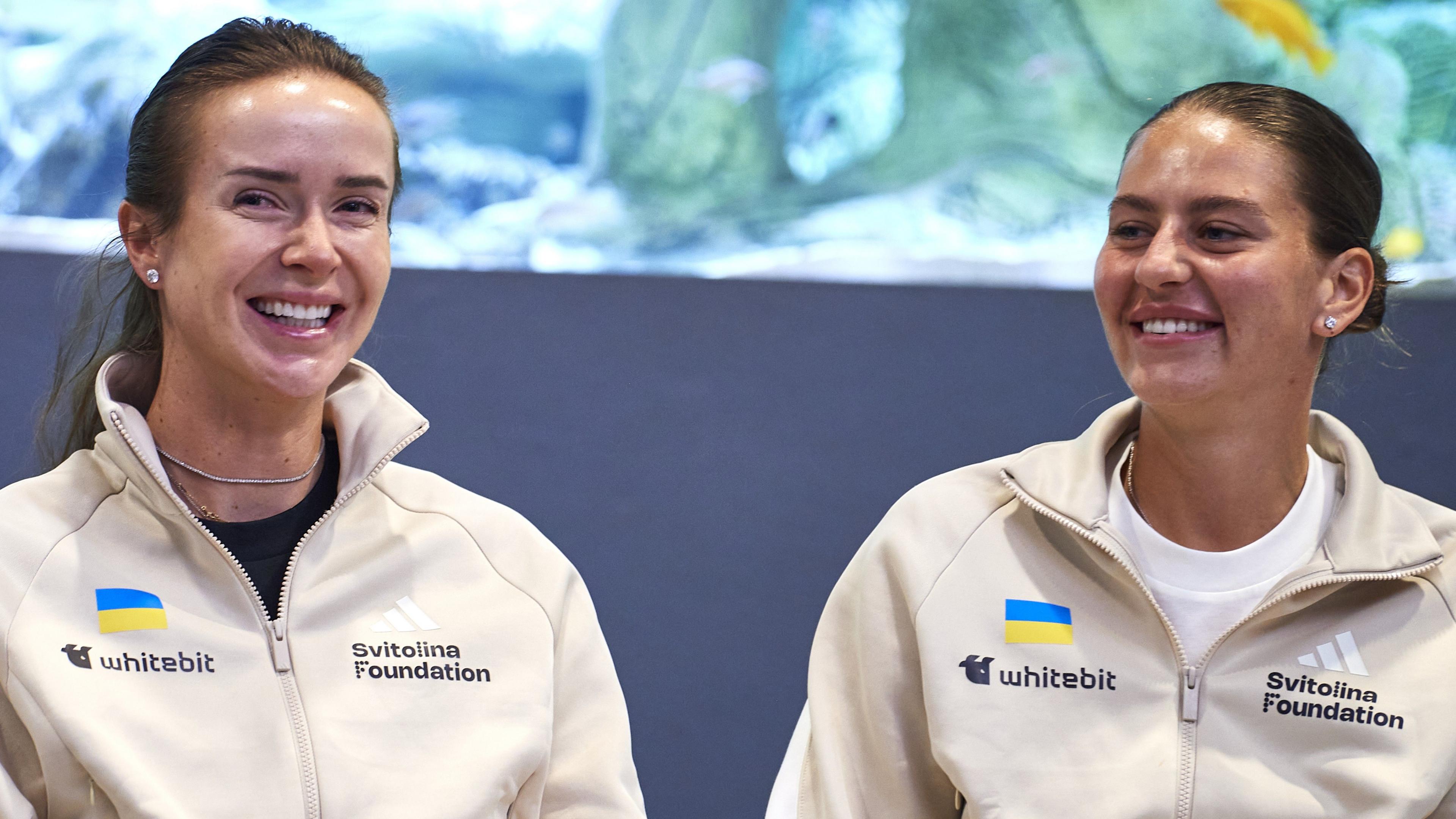
On Tuesday, Kostyuk and fellow Ukrainian Elina Svitolina will face off in the quarter-finals of the French Open. One of them will become the first Ukrainian woman to reach the semi-finals in the Open era—an achievement that transcends the sport itself in a nation at war.
The mutual respect between the two players runs deeper than rivalry. After Svitolina secured her place in the quarter-finals with a win over Belinda Bencic, the two compatriots embraced in the corridors of Court Philippe Chatrier in a gesture that Anne Keothavong, the former British player, recognized as something profound. "I do feel like they're united and they're playing for something more than just tennis," Keothavong told TNT Sports.
Svitolina, seeded seventh, is a four-time Grand Slam semi-finalist and at 31 years old is competing at the highest level after returning to professional tennis three years ago following the birth of her daughter. This marks her sixth French Open quarter-final appearance. Kostyuk, at 23 and 15th-ranked, is playing at this stage of a Grand Slam for only the second time in her career, the first being the 2024 Australian Open. Yet here she stands, unbroken by the circumstances surrounding her.
"There's going to be someone from Ukraine in the semi-final so it's already amazing," Svitolina said on court after her victory. She spoke not only of her own achievement but of what it represents for the next generation of Ukrainian players, many of whom are watching from a country where the practical and emotional disruptions of war are constant.
The strength of Ukrainian women's tennis extends far beyond these two players. Seven Ukrainian women currently rank inside the world's top 100—more than three of the four nations that host Grand Slam tournaments. Four Ukrainian women reached the third round at Roland Garros this year, a remarkable show of depth considering the circumstances under which they play. This is only the second time in the Open era that two Ukrainian players have reached the quarter-finals of a Grand Slam.
Kostyuk has spoken openly about how the proximity of conflict has shifted her perspective. "Before my first-round match, I don't even know what I'm doing here," she reflected. "This is not important at all. It gives you a different perspective." She has worked to stop being too hard on herself, to focus less on results and more on the joy of playing.
For former British number one Johanna Konta, what unfolds this week represents something beyond competition. "What a time for Ukrainian tennis," she told TNT Sports. "To have these two women, and the kind of women that Svitolina and Kostyuk are—they're incredibly well-spoken, inspirational and philanthropic—they really exemplify more than just the sport."
One of them will make history on Tuesday. Both are already changing what's possible for Ukrainian women's tennis.