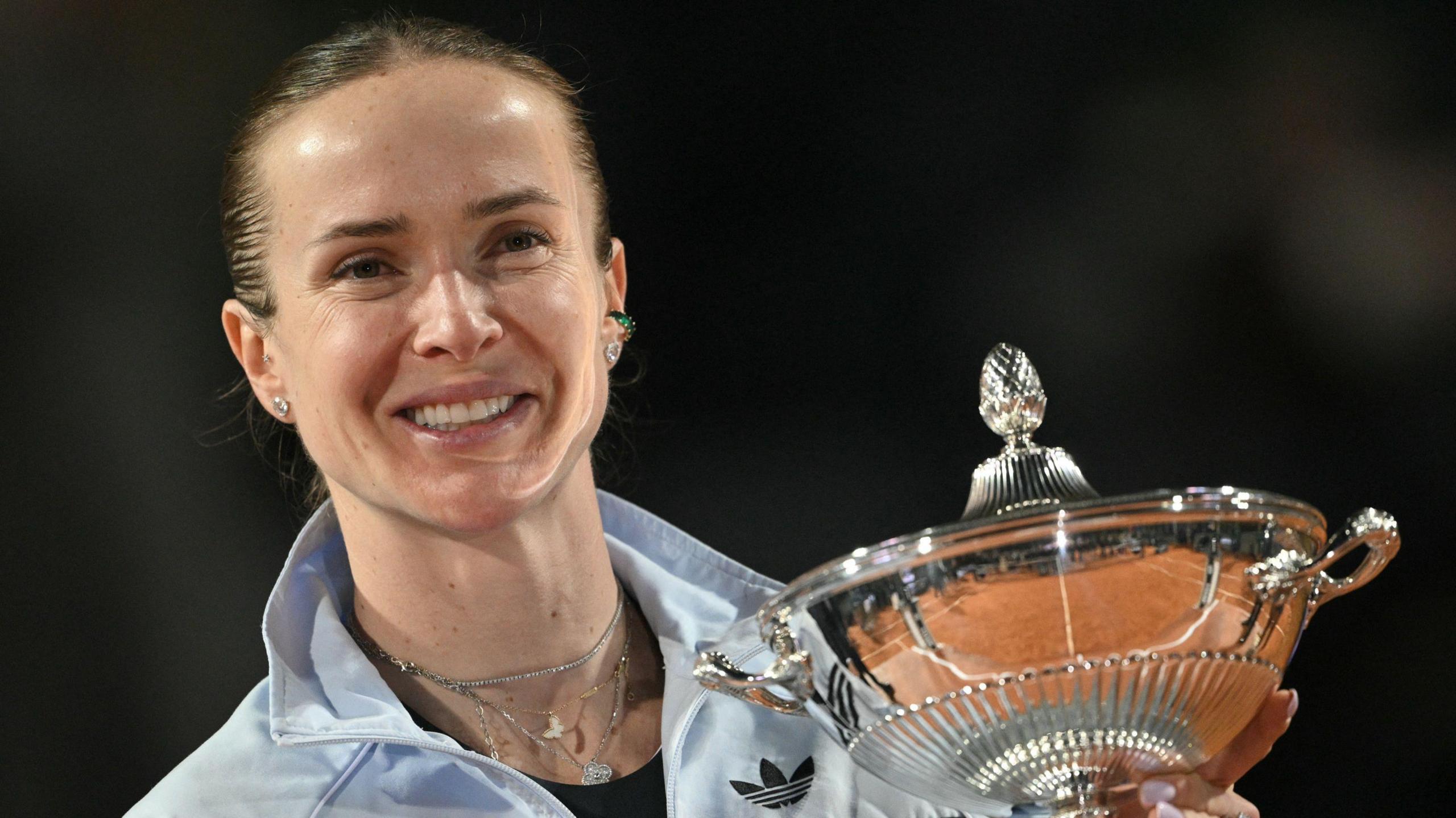
At 31, Elina Svitolina stepped onto the Rome clay and reminded the tennis world that experience and resilience can outmatch youth and ranking. The Ukrainian champion claimed her third Italian Open title with a dramatic three-set victory over fourth-ranked Coco Gauff, fighting back from 4-2 down in the first set to secure a 6-4 6-7 (3-7) 6-2 triumph that capped an extraordinary fortnight.
What makes Svitolina's win particularly striking is the caliber of opponents she defeated to reach the final. The tenth-ranked player dismantled world number two Elena Rybakina, number three Iga Swiatek, and now Gauff—each in grueling three-set contests. In a sport where rankings often dictate outcomes, Svitolina's path through Rome defied the odds, each victory harder-fought than the last.
The match itself was a study in character. After surrendering the second set in a tie-break, Svitolina didn't crumble. Instead, she regained her composure and dominated the decider, winning 6-2 to claim a trophy that hadn't graced her cabinet since 2018. The triumph means eight years have passed between her previous Italian Open victories in 2017 and 2018. "It's very hard to believe it's been eight years since I had this trophy and very pleased with the two weeks here," Svitolina reflected, the words carrying the weight of a player who has navigated injury, ranking fluctuations, and the quiet resilience required to remain competitive at tennis's highest level.
The victory also marks a third consecutive triumph for Svitolina against Gauff, having previously beaten the American in the quarter-finals of the Australian Open and the semi-finals of the Dubai Tennis Championships. Yet Gauff, despite finishing as runner-up in Rome for the second consecutive year, carried herself with the grace of a champion in waiting. Last year she reached the final; this year she claimed the French Open crown elsewhere on the calendar. "You had an incredible tournament—a lot of long matches against great players," Gauff said in her congratulations, acknowledging both Svitolina's extraordinary run and her own disappointment. "I'm on the other side but hopefully one of these days I can get over that."
The final itself embodied the spirit that makes tennis compelling: two players separated by ranking and generation, locked in a battle where mental fortitude proved as decisive as technical skill. Svitolina's comeback from the brink in the opening set set the tone—a reminder that matches are rarely decided in the first few games. By the time the third set arrived, momentum had shifted completely in the Ukrainian's favor.
Svitolina's return to the Italian Open throne also carries broader significance in a landscape where top-10 consistency can feel elusive. At a time when the spotlight often gravitates toward younger players climbing the rankings, she has demonstrated that sustained excellence and tactical intelligence remain formidable assets. This title is a testament not just to her skill on the clay courts of Rome, but to the resilience that has defined her career—the ability to absorb setbacks, learn from losses, and emerge stronger when it matters most.