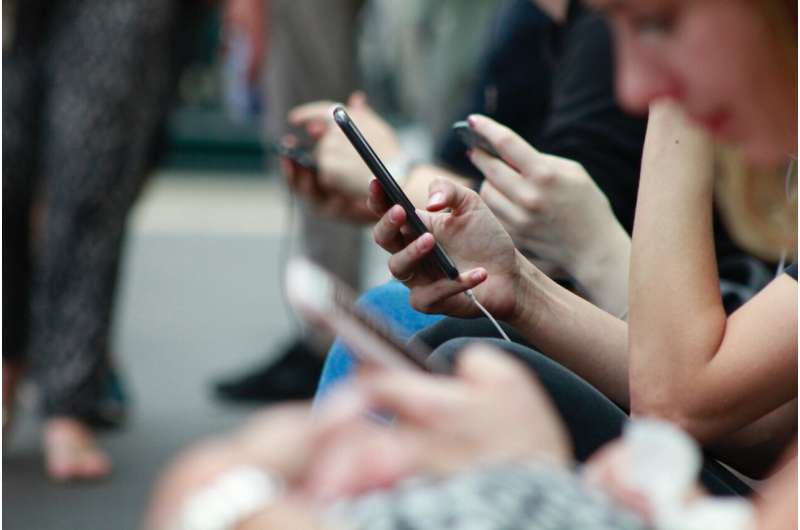
Sweden's Public Health Agency has stepped boldly into one of parenting's most fraught modern dilemmas: the smartphone sitting between parent and child. On Monday, the agency released new recommendations urging parents to put their phones away during time spent with their children, following mounting research into how screen use shapes family interactions and children's own habits.
The guidance matters because it challenges a pattern so normalized it's become nearly invisible. Parents checking messages while their children talk, scrolling during meals, glancing at notifications instead of meeting their child's eyes—these moments accumulate. The Public Health Agency found that when parents frequently use screens around their children, it directly undermines the quality of their interactions. More strikingly, children whose parents rely heavily on phones are significantly more likely to develop the same screen habits themselves.
The new recommendations offer concrete direction where previous guidance had been vague. Since 2024, the agency had asked parents to simply "reflect" on their smartphone use around children. Now it's more direct: "Put your phone away when you're with your child. Use it only if you need to, or when you're using it together," the health authority stated bluntly. The agency also emphasized that parents must cultivate "healthy screen habits for yourself," recognizing that modeling matters as much as rules.
Helena Frielingsdorf, a psychiatrist at the agency, captured the underlying insight: "Children are not only affected by what adults say, but also by what adults do. That's why small changes in everyday life can make a difference both for interactions in the present and for the child's own habits over time." This wisdom extends to physical space as well. The agency recommends that parents adopt the same "screen-free zones" they've long suggested for children—bedrooms and dinner tables become sanctuaries from the digital pull.
Sweden's approach fits within a broader Nordic effort to reshape how children relate to technology. Earlier this year, the government announced it would ban smartphones in schools for children up to grade nine, protecting children until roughly ages 15 and 16 from classroom device use. That policy sent ripples across Europe as other countries watched. The new parental guidance complements the school ban, recognizing that meaningful change requires shifting adult behavior, not just restricting what children can access.
What makes Sweden's intervention particularly noteworthy is its grounding in research rather than nostalgia. The Public Health Agency isn't arguing that phones are evil or that previous generations parented better. Instead, it's saying: the science is clear about how screen use affects family dynamics and child development, and we have a responsibility to tell parents what we know. The recommendations are sparse and practical, designed for the messy reality of modern family life rather than an idealized phone-free home.
For a nation often held up as a model in digital policy, these recommendations represent another thoughtful step: not rejecting technology, but insisting that human connection—particularly between parent and child—deserves protected space in an increasingly connected world.