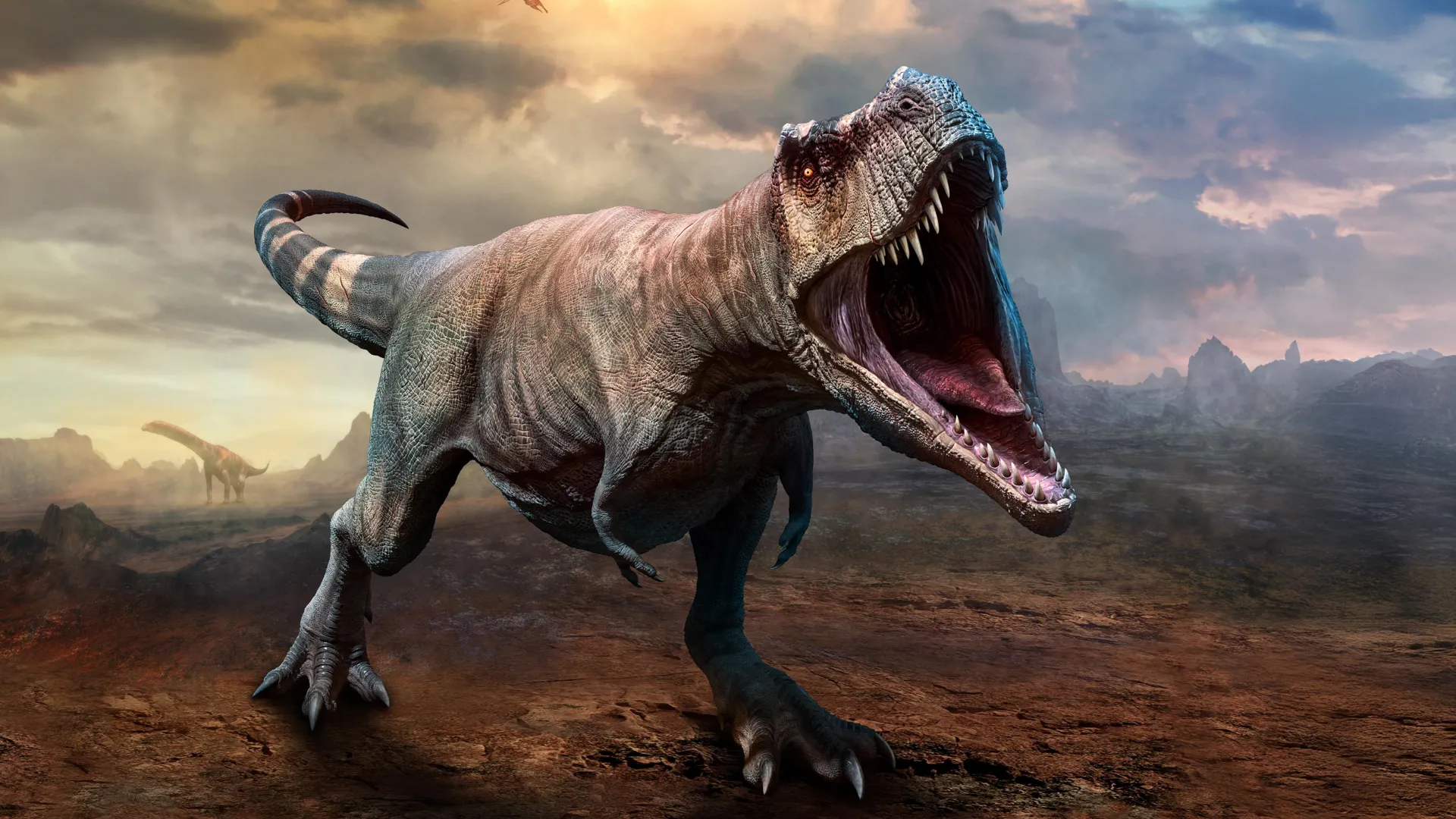
Jane the dinosaur, a 21-foot-long fossil nicknamed after a teenager who won a contest to name her, is helping rewrite the life story of Tyrannosaurus rex. For decades, scientists believed the mighty predator reached its full size by age 25, a rapid growth spurt that mirrored the ferocity of its reputation. But a groundbreaking new study reveals T. rex was still growing at 40—reaching up to eight tons over a full two decades longer than previously thought. This shift isn’t just about size; it reshapes how we understand the life of one of Earth’s most iconic predators.
Published in PeerJ, the study represents the most comprehensive analysis of T. rex growth to date, drawing on 17 fossils ranging from juveniles to full-grown adults. By examining microscopic growth rings inside fossilized leg bones—similar to tree rings but preserved in mineralized tissue—researchers reconstructed year-by-year development across the species’ lifespan. These rings, often invisible under standard lighting, were revealed using advanced imaging techniques that detect subtle density changes in the bone. Because a single fossil only captures the final 10 to 20 years of life, the team, led by Dr. Holly Woodward of Oklahoma State University, developed a new statistical model to stitch together data from multiple specimens, creating the first complete growth curve for T. rex.
The results show a slower, steadier path to gigantism. Rather than exploding into adulthood, young tyrannosaurs grew gradually, potentially occupying different ecological roles as they aged—hunting different prey, inhabiting varied environments, and reducing competition within their own species. "A four-decade growth phase may have allowed younger tyrannosaurs to fill a variety of ecological roles within their environments," says coauthor Jack Horner of Chapman University. "That could be one factor that allowed them to dominate the end of the Cretaceous Period as apex carnivores."
The study also reignites debate over the identity of certain famous fossils. "Jane" and "Petey," two smaller specimens long thought to be juvenile T. rex, displayed growth patterns so distinct that they may represent a separate species—possibly Nanotyrannus. While the data can’t yet confirm this, their divergence suggests the Tyrannosaurus family tree may be more complex than we realized. As paleobiologist Nathan Myhrvold, who led the statistical analysis, explains, "The composite growth curve provides a much more realistic view of how Tyrannosaurus grew and how much they varied in size."
This research doesn’t just refine a number—it deepens our understanding of how life evolves to dominate an ecosystem. By growing slowly over 40 years, T. rex may have mastered the art of survival through flexibility. And as new tools unlock secrets hidden in ancient bone, we’re reminded that even the most familiar giants still have stories to tell.