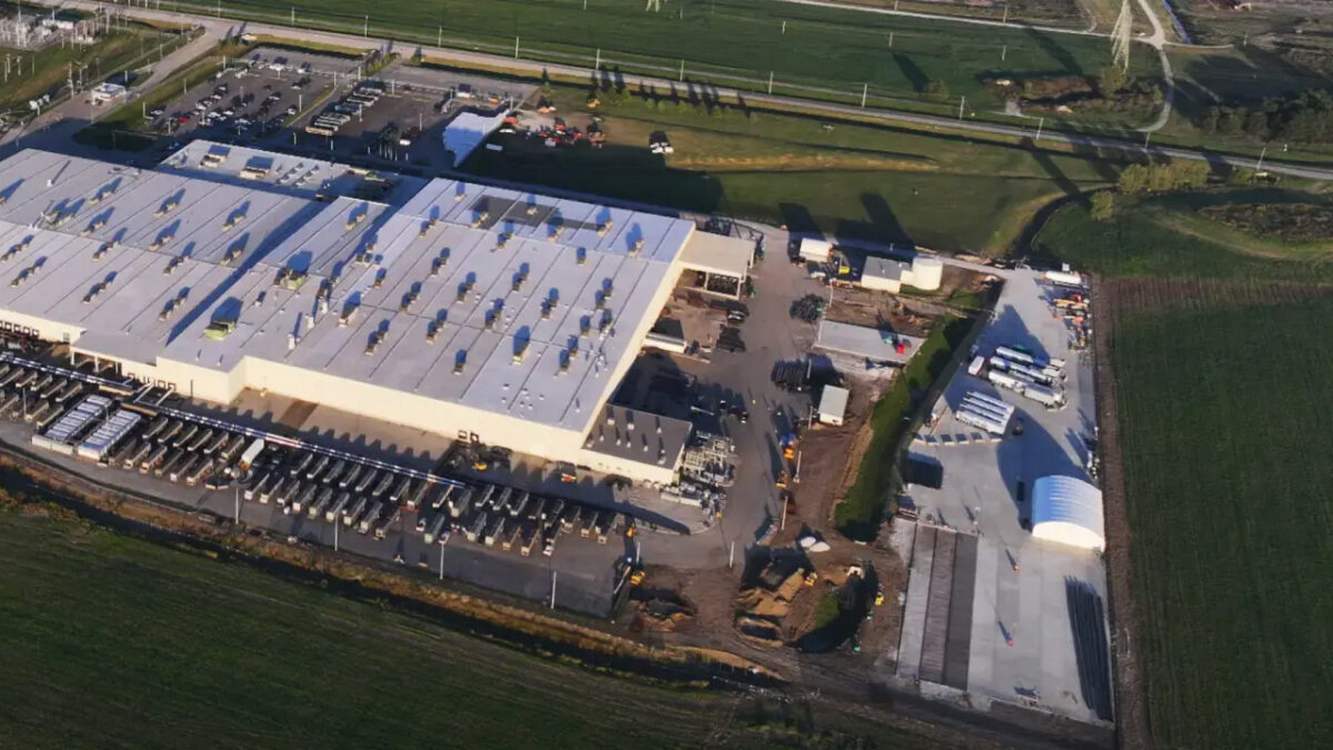
Governor Bill Lee signed Tennessee's HB 1847 into law a month ago, drawing a firm line: data center owners must pay their own way. The bill, sponsored by Republican Senator Brent Taylor of Memphis and State Representative Ed Butler of Roane County, prohibits utility companies and municipalities from footing the bill for data centers' electricity demands or any infrastructure expansion costs—a protection that could save everyday residents from bearing the financial weight of the AI boom sweeping through their state.
The urgency behind the law is impossible to miss. Tennessee's explosive growth in AI infrastructure, particularly around Memphis, has triggered alarm among residents watching their electricity bills climb. xAI's Colossus 1, the world's largest supercomputer, already operates nearby, and Colossus 2—slated for a half-billion-dollar expansion—looms on the horizon. These facilities consume vast amounts of power, and without protections like HB 1847, utilities would traditionally pass those costs onto ordinary households and small businesses.
The Tennessee approach reflects a national pattern. According to Multi State, a private lobbying solutions firm tracking energy policy, roughly one-third of enacted energy bills related to data centers in the current biennium now include ratepayer protection provisions. States across the country recognize that AI companies, many of which have driven US stock markets to all-time highs, cannot simply externalize their infrastructure costs onto communities that host them.
Tennessee's solution establishes a 50-megawatt threshold. Any data center demand beyond that point cannot be billed to general ratepayers or government bodies eager to attract the jobs associated with data center construction and operation. This approach mirrors protections in Florida's SB 484, which set an identical 50-megawatt cap. South Dakota and Nebraska took stricter stances, establishing 10-megawatt and 20-megawatt thresholds respectively. South Dakota's SB 135 goes further, requiring separate terms and conditions for data centers and making them pay whenever their usage materially reduces the grid's overall load capacity. Alabama set its threshold at the highest level—150 megawatts—but paired it with an unusual requirement: data center contracts must actively "promote positive benefits for the utility's other retail customers."
The tension between economic opportunity and community protection runs through every data center debate. The facilities bring jobs, tax revenue, and technological advancement to their host regions. Yet they arrive with significant costs. Reports consistently show that data centers instantly drive up local electricity costs, sparking resident opposition in virtually every community where they're built.
Tennessee's law signals a shift. Rather than viewing data centers as automatic economic gifts that communities must absorb, the state has adopted a principle of financial fairness: those who profit from massive electricity infrastructure should fund that infrastructure themselves. Governor Lee's signature on HB 1847 places Tennessee among a growing group of states deciding that prosperity should not come at the expense of residents' utility bills. As AI infrastructure continues its expansion, more states will likely follow this template, ensuring that the digital economy's growth doesn't quietly drain the wallets of the communities that power it.