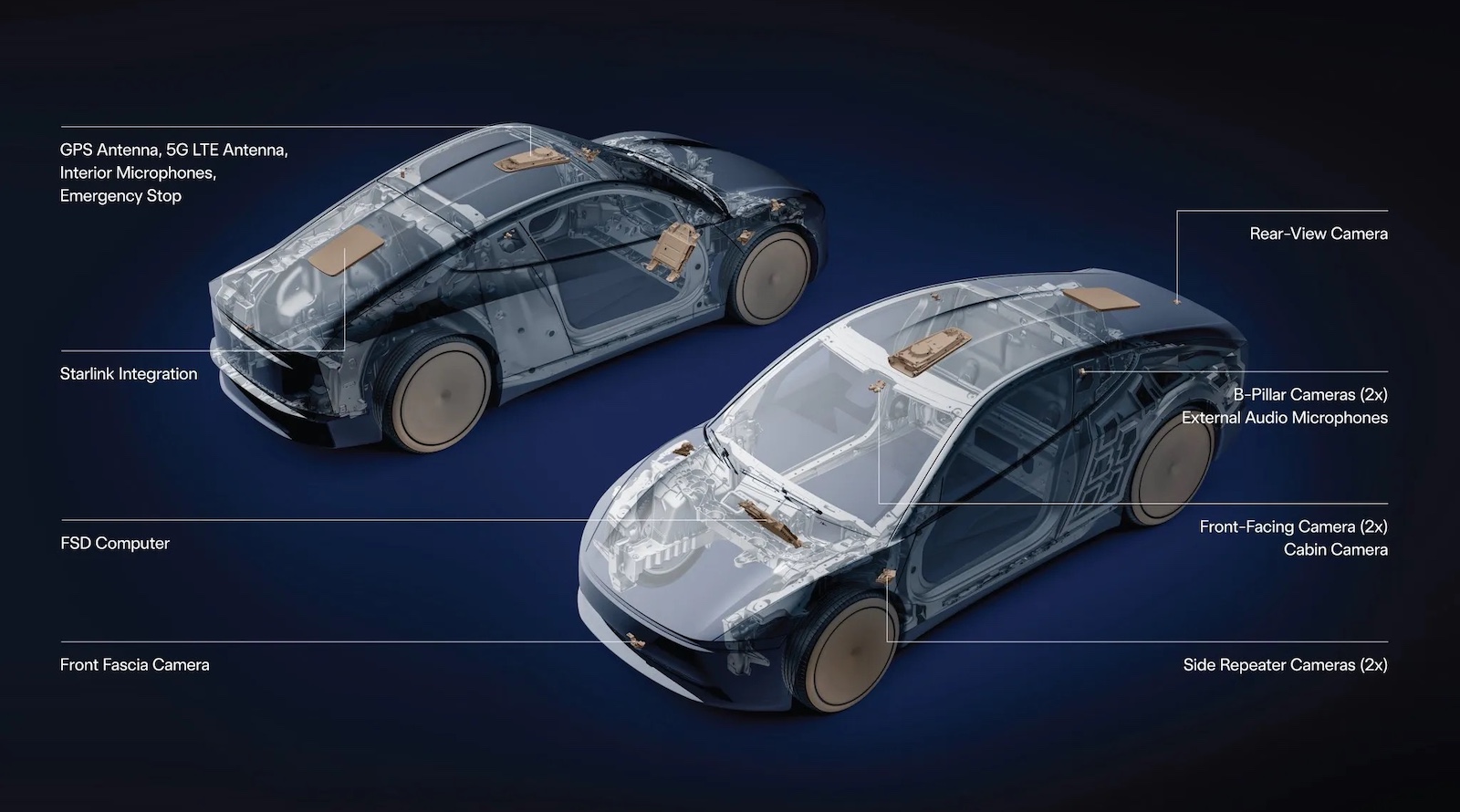
Tesla has officially launched its robotaxi service in Tampa and Orlando, Florida, bringing autonomous rides one step closer to everyday life. The company, led by Elon Musk, has been carefully expanding its driverless taxi service city by city, and Florida is now the latest state to get a taste of the future of transportation.
The new service currently focuses on tourist areas in both cities. For now, only a small number of vehicles are on the road, which means riders might have to wait a while before snagging a driverless ride. Tesla also launched a limited robotaxi service in Miami earlier this year, and the company says it plans to keep growing steadily.
One exciting update: Tesla's upcoming Cybercab will come equipped with Starlink V5, the satellite internet system from SpaceX. Ashok Elluswamy, Tesla's Head of AI, explained that this connectivity helps with navigation, customer service, and managing the fleet of robotaxis. It is not required for safe driving, but it makes the whole system run smoother.
Tesla's Full Self Driving software is also getting smarter in another way. Soon, the car will start remembering each driver's personal preferences. As Musk put it, "The car will start to remember your specific interventions and match each person's individual preferences." This means if you prefer to stay in the carpool lane or like your parking done a certain way, the car will learn and adapt to you over time.
Tesla is being cautious about how fast it expands. On a recent earnings call, Musk acknowledged that while roughly 30,000 to 40,000 people die in car crashes in the United States every year, a single accident involving a robotaxi would likely become global news and could lead to regulators stepping in. "We want to grow as fast as possible with Robotaxi without harm to anyone," Musk said. The company is also testing its system in many different cities to prove the technology works broadly, not just in one controlled environment.
Looking ahead, Tesla plans to bring Full Self Driving to its Semi trucks around the end of this year or early next year, which could eventually transform the trucking industry too.