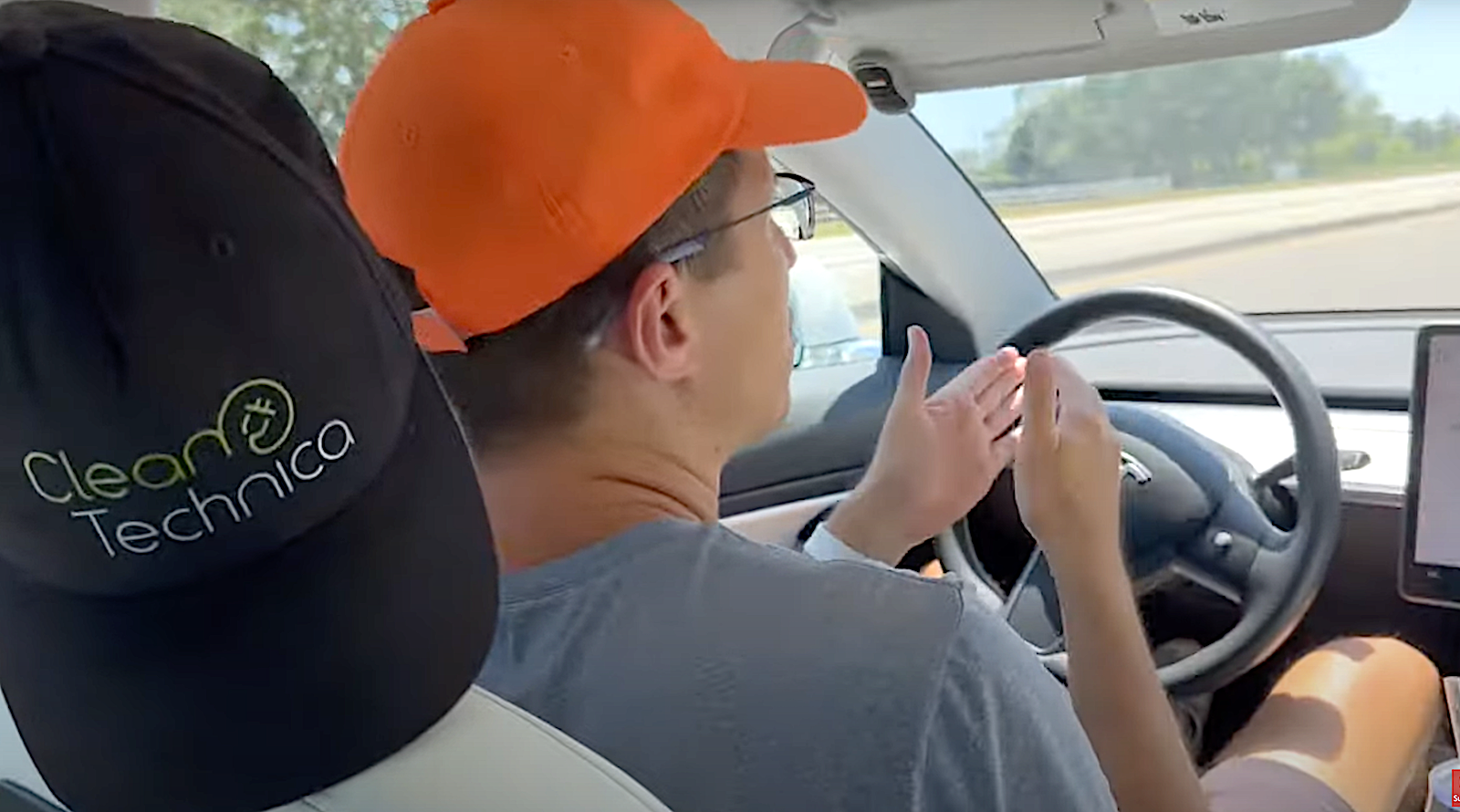
Belgium has become the fifth European country to approve Tesla's Full Self-Driving (Supervised) system, marking another milestone in the gradual regulatory acceptance of advanced driver-assist technology across the continent. The Flanders transport minister signed the approval on Wednesday, following prior authorizations in the Netherlands, Lithuania, Estonia, and Denmark. Though regulatory approval has been granted, Tesla must still pass additional testing requirements before the technology can be rolled out to Belgian consumers—a procedural step the company is expected to clear without significant obstacles.
The approval reflects a growing openness among European regulators to Tesla's Level 2++ driver-assist system, which represents a meaningful but carefully bounded advance in vehicle autonomy. The technology can handle driving duties in favorable conditions, but the driver remains responsible for constant vigilance and must be prepared to intervene at any moment, sometimes with little warning. In ideal circumstances—such as driving on divided highways during good weather—the system operates closer to Level 3 autonomy, though it does not meet the full definition of that category. This distinction matters enormously for how regulators and the public should understand what the technology actually does.
Belgium's approval arrives as Tesla continues expanding its real-world testing and deployment across Europe. The regulatory pathway, country by country, suggests that European authorities are willing to permit consumer access to sophisticated driver-assist features provided they come with clear oversight and testing protocols. Each approval represents a negotiation between the potential benefits of the technology and the legitimate concerns about safety and liability that regulators must weigh.
The broader question hovering over these approvals concerns the relationship between supervised consumer driving systems and Tesla's separate ambitions for autonomous robotaxi fleets. Some analysts have claimed that FSD has essentially achieved Level 4 autonomy in most conditions, yet significant skeptics point out that consumer-grade systems lacking local maps, radar, and LiDAR face inherent limitations that no amount of machine learning can fully overcome. The gap between good-weather highway performance and the unpredictable complexity of real-world driving—especially in adverse conditions—remains substantial. Data from consumer vehicles does feed back into Tesla's broader training systems, which theoretically helps improve performance across all vehicles. However, most of the robotaxi miles logged so far have come from a controlled fleet of roughly 500 vehicles in the San Francisco area, where human drivers still operate the vehicles, making it difficult to assess true driverless capability.
What remains uncertain is whether regulatory approvals for supervised systems will accelerate or complicate Tesla's path toward genuine autonomous deployment. Each new approval in Europe suggests growing comfort with the technology's current state, yet also underscores that the technology itself is still fundamentally a driver-assistance tool rather than a self-driving system. Belgian consumers who gain access to FSD (Supervised) will be joining thousands of others across Northern Europe in a long-term real-world test of how this technology performs, improves, and occasionally fails when placed in the hands of ordinary drivers in ordinary traffic.
The rollout in Belgium represents not an endpoint but a continuation of Tesla's methodical expansion across regulatory jurisdictions—a slow accumulation of approvals that, taken together, suggest a technology approaching some threshold of acceptance, even as its true capabilities remain contested among engineers, regulators, and skeptics alike.