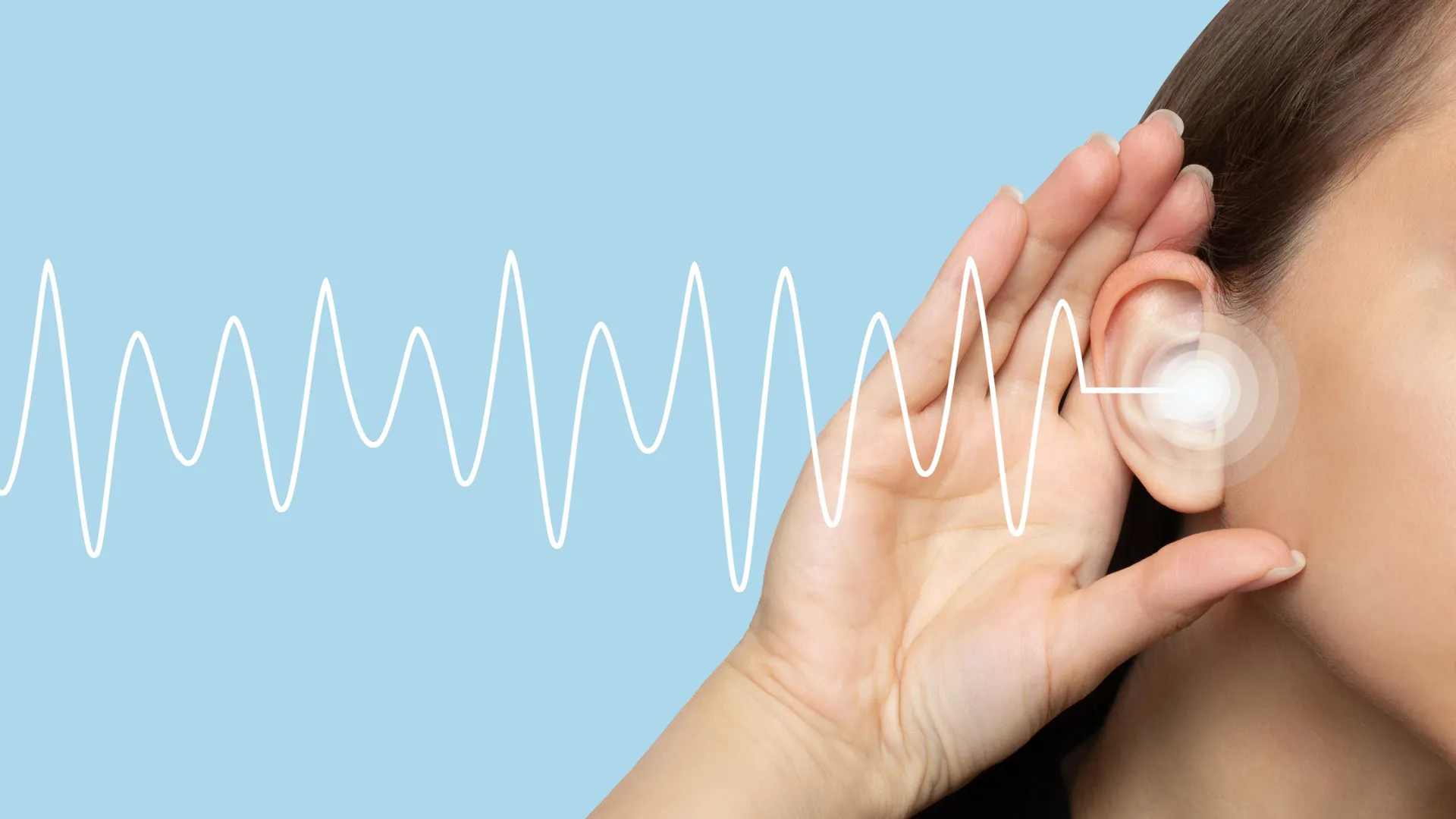
Susan Bianco, 87, of Lancaster, first noticed something was changing not with a sudden loss of sound, but with a bothersome buzzing in her ears that arrived whenever she felt tired. The real problem came earlier: conversations had become exhausting, her husband's words requiring repetition, phone calls turning frustrating, and crowded rooms becoming nearly impossible to navigate. What felt like a simple annoyance—that phantom ringing no one else could hear—was actually an early warning sign of something far more consequential.
Tinnitus, the persistent perception of ringing, buzzing, hissing, or whooshing in the ears when no external sound source exists, affects roughly 10% of U.S. adults. But its prevalence pales compared to the broader hearing loss crisis it often signals. According to the Centers for Disease Control and Prevention, about 13% of all U.S. adults experience hearing difficulties. Among adults age 65 and older, that number nearly doubles to 27%. These are not marginal numbers—they represent millions of people whose daily lives are being reshaped by their changing ears.
The damage typically begins inside the cochlea, a spiral-shaped structure deep in the inner ear where thousands of delicate sensory hair cells convert sound vibrations into signals bound for the brain. When those fragile cells become damaged—whether from aging, loud noise exposure, or other causes—they can no longer transmit information properly. As hearing ability declines, the communication between ears and brain becomes distorted, creating the phantom sounds that define tinnitus. Some people describe the noise as cicadas; others compare it to a passing freight train.
The consequences extend far beyond the ears themselves. Hearing loss and tinnitus have been linked to disrupted sleep, difficulty concentrating, strained personal relationships, faster cognitive decline, elevated depression risk, and a higher likelihood of falls. For some people, the noise becomes constant and bothersome enough to interfere with productivity and quality of life entirely.
Yet prevention remains powerful. Dr. Jackie Price, an audiologist at Penn State Health Otolaryngology—Head and Neck Surgery, emphasizes that while aging cannot be stopped, hearing can be actively conserved. The most effective protection involves limiting exposure to loud noise, particularly sounds exceeding 85 decibels—a threshold reached at concerts, sporting events, fireworks displays, and during power tool use. Price highlights a common mistake: people mowing grass while simultaneously playing music through earbuds, creating what she calls a "double whammy" of noise exposure lasting 45 minutes or more, sometimes twice weekly.
When protection is necessary, earplugs and earmuffs should carry a Noise Reduction Rating of at least 22 decibels, clearly marked on packaging. But insertion matters critically. Foam earplugs must be compressed, rolled, then inserted while pulling the ear lobe to open the canal, allowing the plug to fully expand for a tight seal. Most foam earplugs are designed for single use to maintain effectiveness.
For those already experiencing hearing loss or tinnitus, a cure remains elusive. Yet treatments exist. Hearing aids and assistive technologies improve communication for those with hearing loss, while approaches like Tinnitus Retraining Therapy—combining counseling with sound therapy—can help people manage their condition and reclaim quality of life. Like Bianco discovering that asking her husband to repeat himself was actually her ears sending an urgent message, recognizing these early warning signs remains the crucial first step.