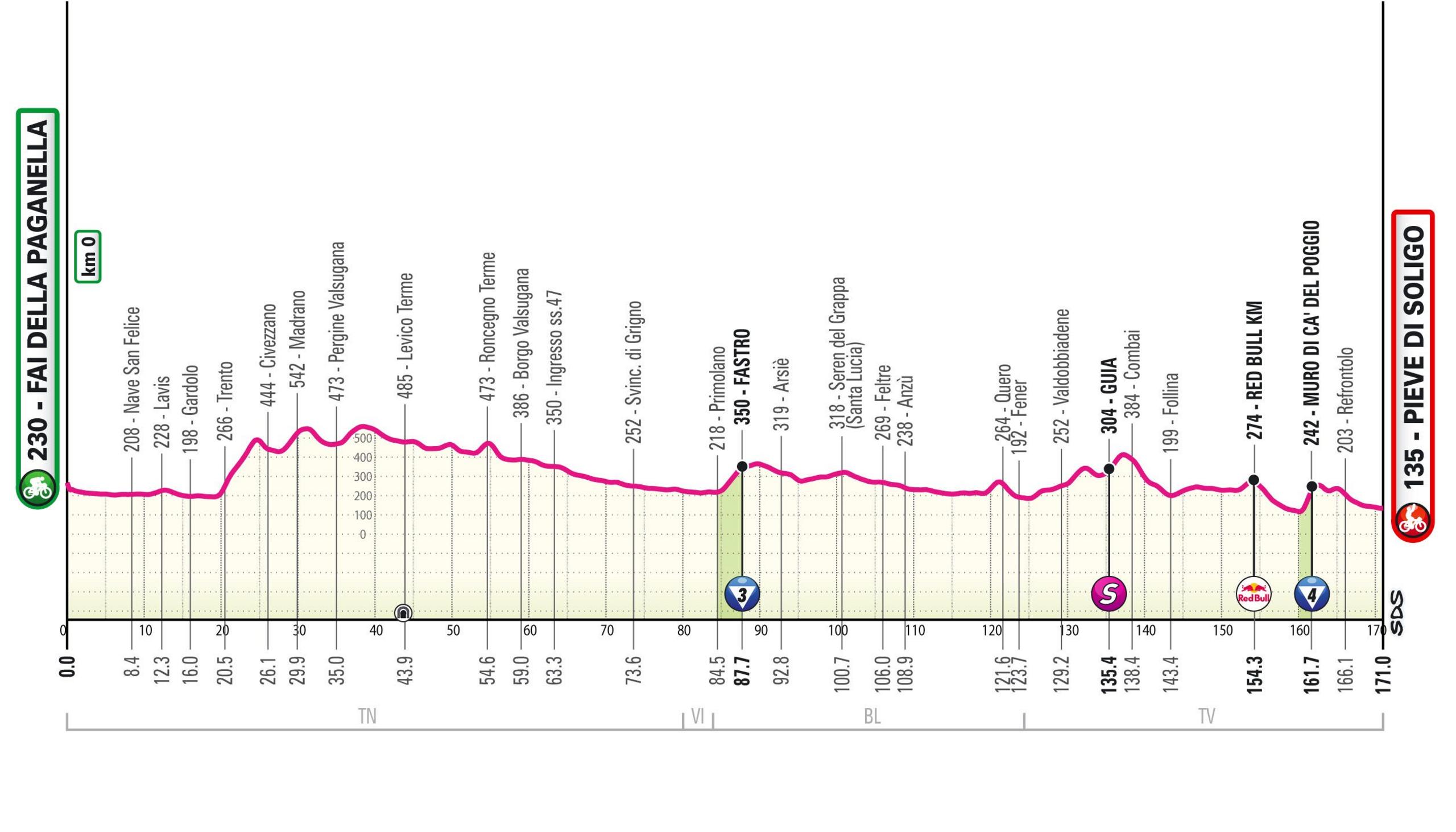
At the finish line of stage 17 in the Italian Dolomites, Denmark's Michael Valgren collapsed to the ground and held up a small green Pokémon figure his son had built for him—a handmade lucky charm in the colors of his team. After nearly four years clawing back from a career-threatening crash that shattered his pelvis and tore ligaments in his knee, Valgren had finally claimed what had eluded him: his first Grand Tour stage victory at the Giro d'Italia.
The comeback itself is the larger story here. In 2022, a devastating crash left the 34-year-old cyclist with injuries that could have ended his professional life. Instead, he chose the harder path—rehabilitation, persistence, and a quiet belief that he belonged among the world's best cyclists. A 12-time Grand Tour veteran, Valgren had proven his mettle across thousands of kilometers, yet one thing remained unchecked on his resume: winning at cycling's highest level.
On Thursday, across 202 kilometers to Andalo in the Dolomites, Valgren's chance arrived. He was never far from the action, moving seamlessly through a long breakaway group that included strong climbers like Colombia's Einer Rubio and Damiano Caruso of Italy. The decisive moment came with just over a kilometer remaining. As the field approached the final climb to the finish, Valgren launched a surprise attack that proved impossible to answer. When he jumped, the others simply could not follow. He crossed the line three seconds ahead of Norway's Andreas Leknessund, with Caruso finishing another three seconds back.
"Last year I had high hopes for a good result in this year's competition so my son built me a Pokémon in team colours," Valgren told TNT Sports, his voice still catching with emotion. "It is my lucky charm. It was really hard, I was really at my limit. I'm lucky it wasn't 5km longer." That small detail—a child's handiwork becoming a talisman for his father's redemption—captures something deeper than bike racing. It speaks to why athletes push through pain, and why families sacrifice to support dreams that seem unreachable.
The stage itself played into the larger Giro drama. Denmark's Jonas Vingegaard, the defending champion and current race leader, finished safely within the main peloton, maintaining his pink jersey with a 4-minute, 3-second advantage over Austria's Felix Gall. The overall competition remains tight, with Gall sitting in second place and the Netherlands' Thymen Arensman in third, just 24 seconds further back. But on this day, the narrative belonged entirely to Valgren.
For a cyclist who has built a good career—stage wins, top finishes, respect from rivals—the absence of a Grand Tour stage victory had been a small but persistent ache. "I missed this on my resume," he reflected afterward. "My career has been pretty good but I needed this Grand Tour stage win. I'm really happy." Those words carry the weight of genuine relief, the satisfaction that comes from proving something to yourself after everyone—possibly including yourself—might have wondered if it was still possible.