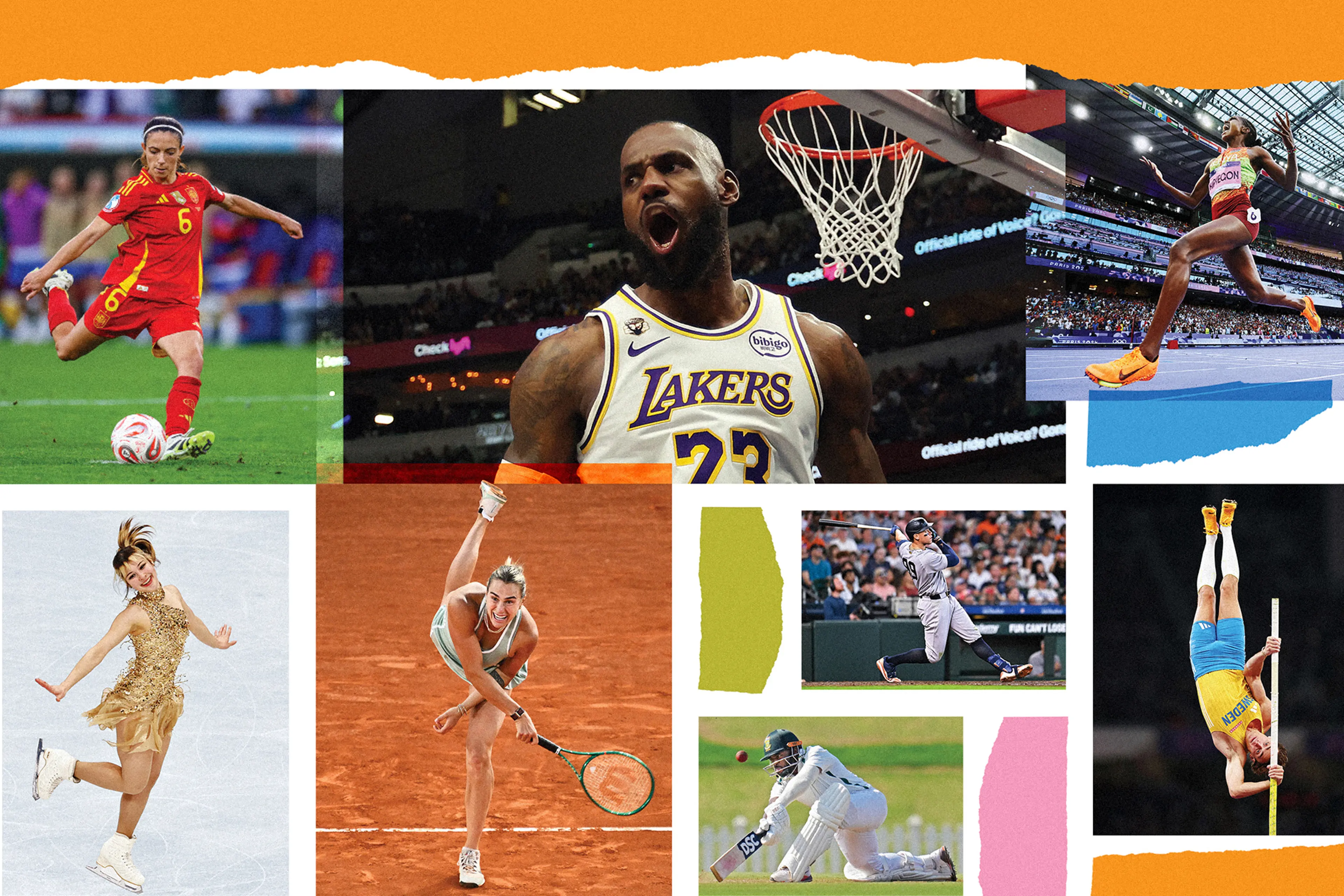
TIME magazine has identified 100 influential figures reshaping sports in 2026—a roster that stretches far beyond the athletes on the field. The list spans coaches, advocates, and investors, recognizing that the modern sports world is powered by people who challenge conventions, build platforms, and expand what it means to be an athlete.
Among those recognized, LeBron James stands out for redefining the modern athlete's role entirely. Rather than confining his influence to the court, James has become a model for how contemporary sports figures navigate business, activism, and cultural leadership simultaneously. His willingness to speak on issues beyond basketball—from education to social justice—has given permission for a new generation of athletes to see themselves as full human beings with agency outside their sport.
The inclusion of coaches and advocates alongside traditional athletes reflects a seismic shift in how influence is measured in sports. For decades, power in this world was concentrated in a narrow band: superstars and team owners. But 2026 marks a moment when the people building systems—the coaches developing talent, the advocates pushing for equity, the investors funding new visions—are finally receiving their due. These are the architects of sustainable change.
TIME's selection process, led by project leads Lori Fradkin, Cate Matthews, Mark Selig, and Avery Stone, involved contributions from writers and editors across the magazine's sports and culture divisions, including Sean Gregory, Charlotte Hu, and Alice Park. The work reflects months of reporting and deliberation about who truly shapes the trajectory of global sports. This wasn't a popularity contest; it was a careful examination of impact.
What makes this list particularly striking is what it reveals about sports' evolution. The athletes, coaches, and business leaders recognized here aren't simply succeeding within existing structures—many of them are fundamentally reimagining what those structures should be. They're asking harder questions: Who gets access to sports? How can athletes build generational wealth? What responsibilities do sports figures have to their communities? And crucially, how can the machinery of sports become more equitable?
The 100 include household names and powerful figures working deliberately outside the spotlight. Some built grassroots programs in underserved communities. Others negotiated landmark contracts or founded organizations that challenge the status quo. A few have used their platforms to address systemic inequities that have long been embedded in professional sports.
This recognition matters because visibility shapes possibility. When TIME names someone as influential, it legitimizes their work and brings attention to their approaches. Young athletes now have permission to see themselves in these figures—not just as competitors, but as potential builders, thinkers, and changemakers. The message is clear: your influence extends far beyond your performance metrics.
As we look ahead, the lesson from TIME's list is unmistakable: sports is no longer defined by individuals playing a game. It's defined by communities being built, systems being challenged, and new possibilities being created. The most influential people in sports today are those expanding what sports can be.