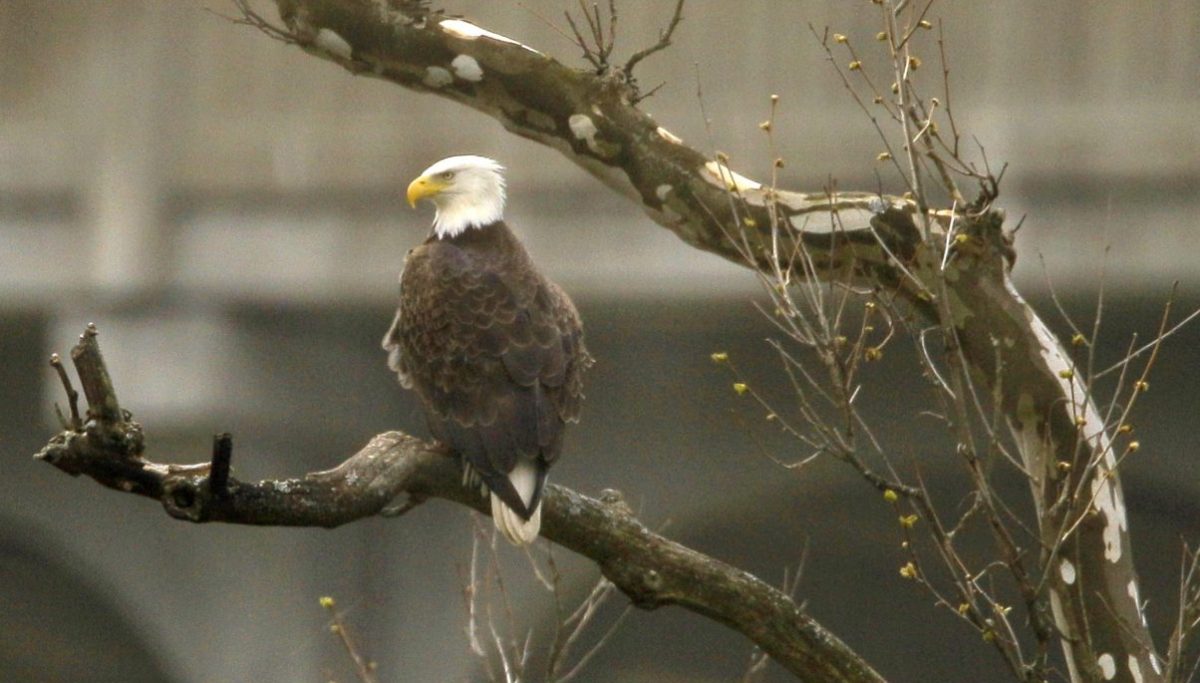
When Theodore Roosevelt arrived at the White House, the American bald eagle was on the brink of oblivion—fewer than 500 nesting pairs remained in the entire nation. Today, nearly 320,000 bald eagles soar across the country, a breathtaking reversal that stands as one of history's greatest environmental recoveries and a testament to what happens when people are given a stake in protecting the land.
The transformation from ecological catastrophe to conservation triumph reveals an overlooked truth: the United States went from decimating its wildlife in the late 1800s to becoming the global model for restoration. This happened not through top-down mandates or keeping humans out of nature, but through a distinctive American approach that combined regulated hunting, private stewardship, and science-based management—allowing people to use and enjoy wildlife while ensuring its survival for future generations.
The crisis was real. Around 1900, white-tailed deer had plummeted to between 300,000 and 500,000 animals across the continent, hunted relentlessly by commercial operations that sold meat for profit rather than sustenance. American pronghorn—often called antelope—numbered just 12,000. Elk populations had collapsed to 41,000. Market hunting, combined with rapid habitat loss from agricultural expansion and settlement, had pushed countless species toward extinction. But the problem was not hunting itself; it was unregulated, commercial hunting without limits.
Roosevelt, himself a hunter and rancher, understood that wildlife could be restored through responsible stewardship. During his presidency, millions of acres were protected as national forests, parks, and wildlife refuges. Equally important, he and fellow conservationists like Aldo Leopold, the "father of wildlife management," transformed how Americans thought about their relationship with nature. They sparked what became known as the North American Model of Wildlife Conservation—a framework built on the radical idea that wildlife is a shared public resource, not the exclusive property of aristocrats or corporations.
The framework was elegantly simple: states established regulated hunting seasons, bag limits, and science-based population management rooted in biological data. The Pittman-Robertson Act of 1937 was genius—a tax on guns, ammunition, and archery equipment that funneled millions into habitat restoration. Hunting licenses, tags, and duck stamps provided steady funding. Private organizations like Ducks Unlimited and the Rocky Mountain Elk Foundation mobilized hunters to restore wetlands and forests on a massive scale.
The results speak for themselves. White-tailed deer now number between 30 and 35 million. Pronghorn rebounded to over 1 million. Elk populations surpassed 1 million. Waterfowl, nearly eliminated a century ago, now sustain regulated hunting seasons in all 50 states. Bald eagles went from 412-417 nesting pairs in the mid-1900s to over 71,000 today.
The secret ingredient was what conservationists call "skin in the game." When hunters buy licenses and tags, when anglers invest in equipment, when people have both economic interest and personal connection to wildlife, protection follows naturally. People care most passionately about what they are allowed to use and enjoy. This isn't cynicism—it's human nature harnessed for conservation.
As modern environmental debates often pit humanity against nature, America's wildlife miracle offers a different vision: one where people and wildlife thrive together, where stewardship and sustainable use go hand in hand, and where economic incentives align with biological necessity. The recovery didn't happen despite hunting—it happened because of it.