When Thomas Müller arrived at the 2010 World Cup in South Africa, few expected the 20-year-old Bayern Munich winger to leave with football's most coveted individual trophy. Just months earlier, the German club had considered loaning him out or selling him entirely. But Louis van Gaal's arrival changed everything, and Müller played every Bundesliga match that season, scoring 13 goals and providing 11 assists. He brought that momentum to the tournament and won the Golden Boot—a pattern that reveals something crucial about how the world's best strikers are built, not born at the moment of competition.
BBC Sport's analysis of World Cup Golden Boot winners reveals a striking template. The typical champion is 24.7 years old, arrives at the tournament in peak form from a top domestic club, and plays for a team that advances deep into the knockout stages. Only twice in World Cup history has a player from a club finishing outside their country's top four claimed the Golden Boot—a reminder that sustained excellence at club level translates directly to international glory.
The age factor is perhaps most telling. Apart from Davor Suker, who scored six goals at age 30 for Croatia in 1998, every other Golden Boot winner has been younger. The record holder for youth is Hungarian Florian Albert, who was one of six joint-winners at Chile 1962 at just 20 years and eight months old. This spells trouble for Harry Kane, who at 32 would be among the oldest ever to claim the prize, despite scoring 54 goals for his club this season.
A striker's club form matters because it feeds directly into tournament performance. Müller beat Spain's David Villa and the Netherlands' Wesley Sneijder to the 2010 boot after both teams reached the final. When both were tied on five goals, the award went to Müller on the strength of three assists—demonstrating that Golden Boot winners are rarely one-dimensional players. Meanwhile, Cristiano Ronaldo's four group-stage goals in 2018 yielded nothing when Portugal exited in the last 16, while Harry Kane's six goals for England's semi-final run proved far more valuable.
Brazil's six Golden Boot winners—from Leonidas in 1938 through Ronaldo in 2002—underline another pattern: elite teams produce elite scorers. A prolific group stage matters far less than tournament longevity. The glaring exception is Oleg Salenko, whose six goals for Russia in 1994 included five in a single 6-1 thrashing of Cameroon. Russia crashed out in the group stage, yet Salenko's goal haul proved untouchable.
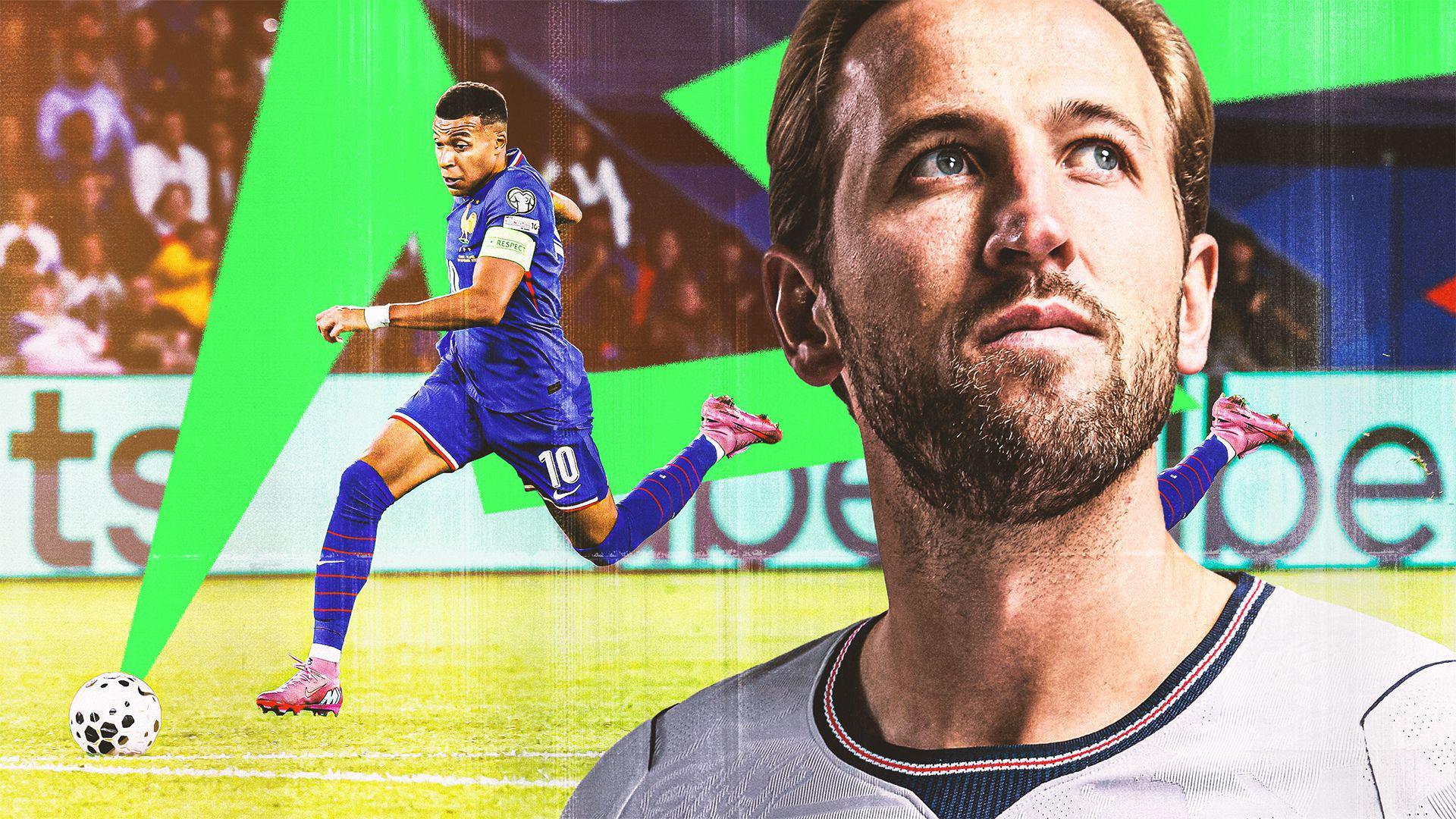
As the 2026 tournament approaches, two strikers have realistic chances at history: Kylian Mbappé and Harry Kane. Mbappé, now 25, already won the award in 2022 at age 24, narrowly beating Lionel Messi by a single goal despite France losing the final. Kane, despite his age, remains a rare exception—a player of such ruthless efficiency that he could rewrite the rules. Lionel Messi, at 38, has his final opportunity to complete his résumé with a Golden Boot to sit alongside his eight Ballon d'Or trophies. And then there is Lamine Yamal, who will turn 19 the week before the 2026 final—young enough to challenge the record, should Spain's resurgence continue.