Imagine your phone staying charged for days instead of hours. Or driving an electric car that can go three times farther than today before needing to plug in. That future might be closer than you think, thanks to researchers in Germany who just cracked a puzzle that has held back better batteries for years.
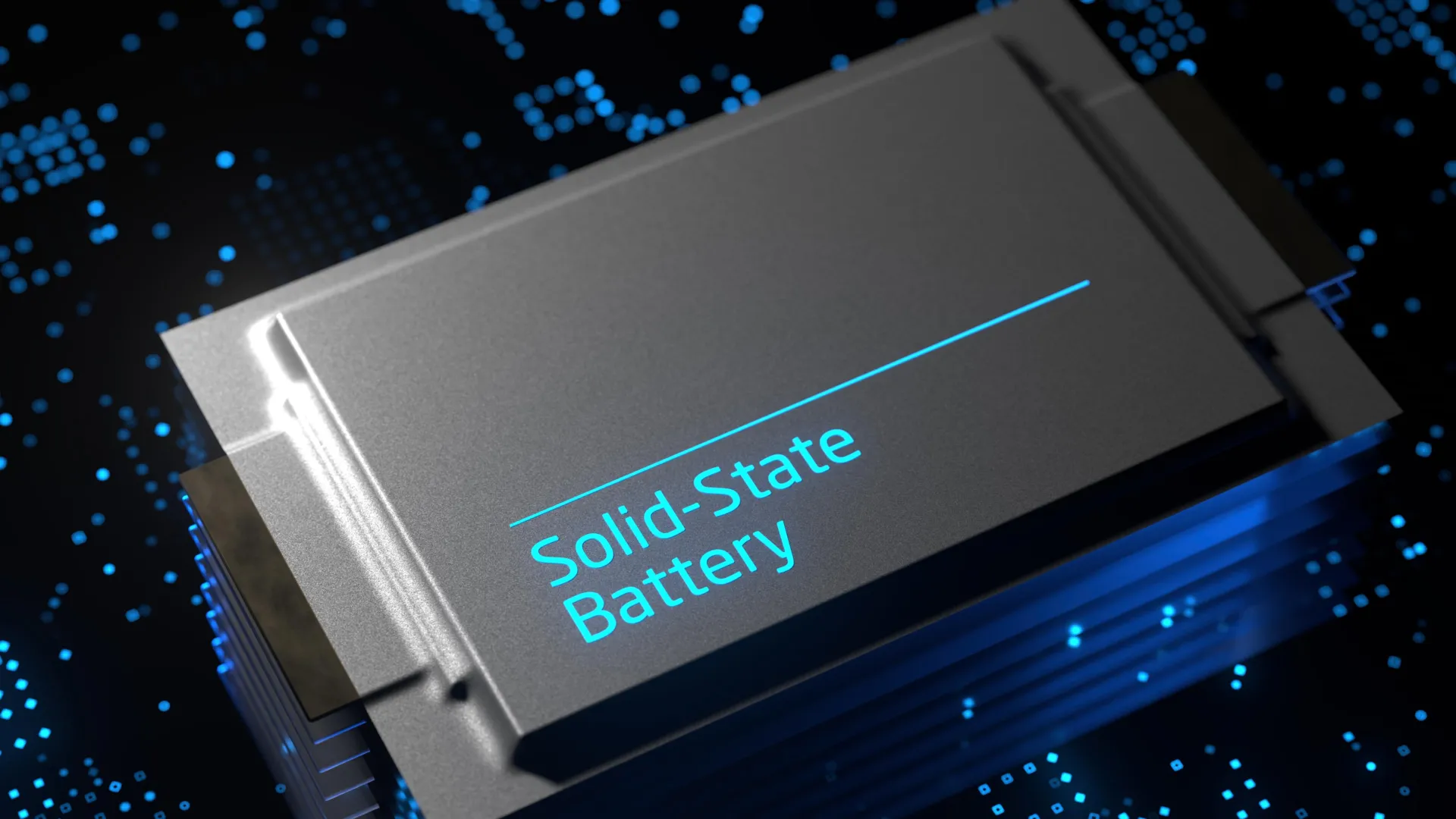
The technology that could make this possible is called the solid-state battery. Unlike the batteries in most devices today, which use a liquid chemical layer between solid parts, solid-state batteries replace that liquid with a solid material. That solid layer could store more energy, last longer, and be safer than current batteries. But there's a hitch: tiny tree-shaped structures called dendrites sometimes grow inside the battery and poke holes through the solid layer, causing it to fail.
Scientists at the Max Planck Institute for Sustainable Materials in Germany have figured out exactly how these dendrites cause damage. Their research, published in the journal Nature, answers a question that had puzzled experts for years.
The team, led by Dr. Yuwei Zhang, wanted to understand how something soft could break through something hard. Dendrites are made of lithium metal, which is soft like a gummy bear. The material they penetrate is a hard ceramic. "The soft lithium metal is able to penetrate the stiff ceramic electrolyte, like a continuous waterjet that penetrates a rock," Zhang explained. The researchers discovered that pressure builds up inside the dendrite, essentially turning the soft metal into a tiny hydraulic drill that cracks the ceramic from the inside.
To study this without messing up their samples, the scientists had to work in a vacuum at extremely cold temperatures. They used advanced microscopes and computer simulations to watch the damage happen at the smallest scales.
Now that they understand the problem, the team is working on solutions. They could make the ceramic tougher so it resists cracking longer. They might add tiny empty spaces inside to redirect dendrite growth and steer cracks away from sensitive areas. Or they could coat the lithium parts with protective layers that prevent dendrites from forming in the first place.
For consumers waiting for longer-lasting phones and electric vehicles with longer range, this discovery marks a real step forward. Understanding how materials behave at the microscopic level is the key to turning promising technology into something you can actually buy. Solid-state batteries could be the jump that makes week-long phone charges and super-long-range electric cars become everyday reality.