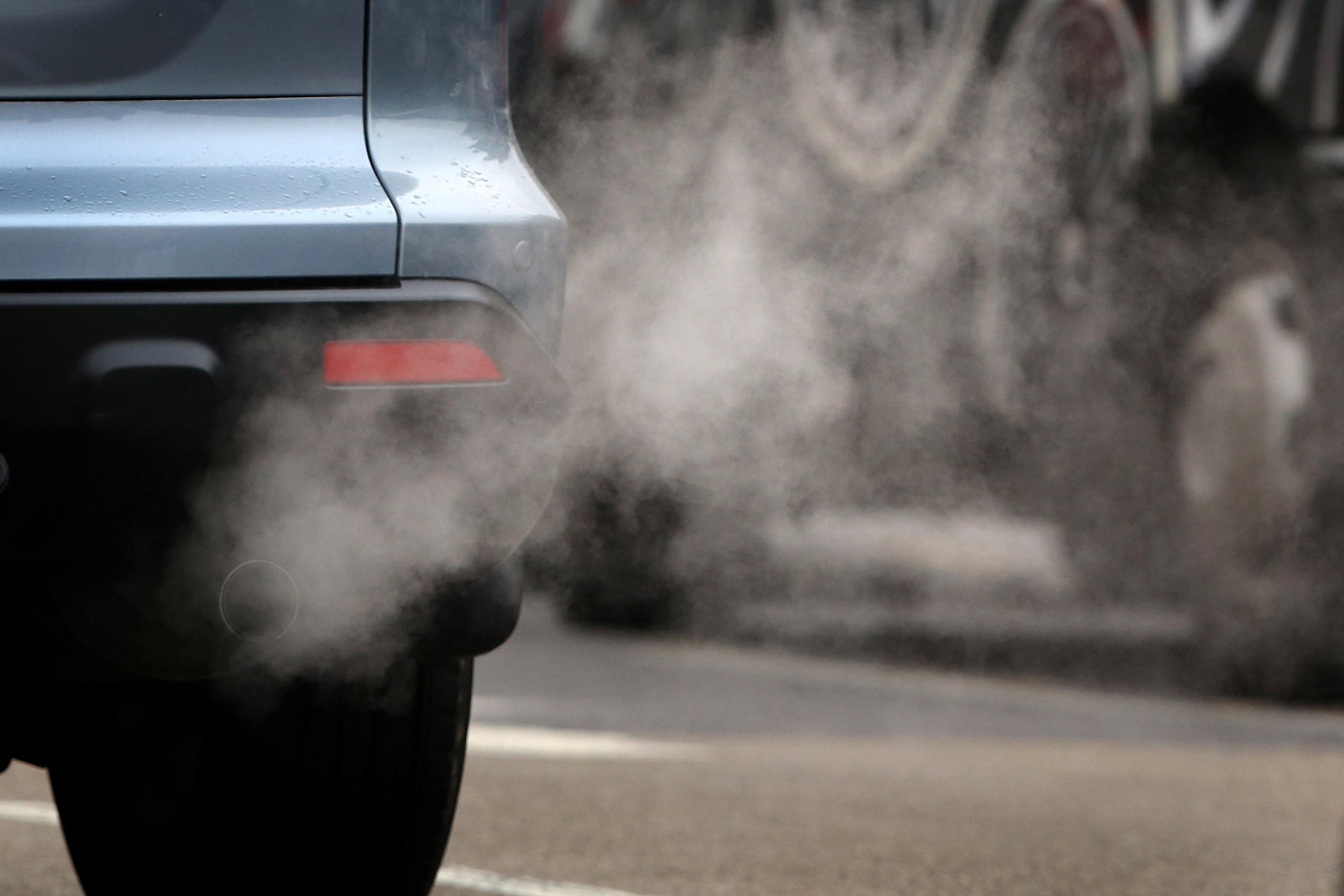
Ilissa Ocko, who once advised the U.S. State Department on climate policy, has identified a blind spot in global environmental protection—and it's responsible for 15 percent of all human-driven warming. These aren't the famous villains like carbon dioxide or methane that dominate climate headlines. Instead, they're overlooked pollutants that work behind the scenes: carbon monoxide, black carbon (soot), and non-methane volatile organic compounds trigger chemical reactions in the atmosphere that either create new greenhouse gases or trap existing ones for longer, amplifying the warming effect.
This matters because the world's climate treaties have essentially ignored these indirect climate drivers. The 1997 Kyoto Protocol, which forms the backbone of international climate policy and determines what nations promise to cut, doesn't track them at all. When countries pledge to reduce emissions, they're focusing on the direct culprits while missing contributors that, collectively, have a warming impact surpassed by only two of the seven greenhouse gases officially on the Kyoto list.
Ocko and her collaborators—scientists at organizations including the Environmental Defense Fund and the National Oceanic and Atmospheric Administration—published their synthesis of this evidence Thursday in Science, drawing on data from the Intergovernmental Panel on Climate Change's most recent major assessment released in 2021. "We're emitting things into the atmosphere that don't directly warm the planet, but they increase the amount of the greenhouse gases that do directly warm the planet," Ocko explained. It's a finding that has been studied since the late 1990s, yet policymakers have never acted on it.
The barriers to change are real. Vaishali Naik, a scientist at NOAA and contributor to the IPCC report, noted that "persistent scientific and political challenges remain" despite two decades of research. One is practical: tracing emissions from specific sources to their climate effects requires more granular data than currently exists. The other is political. As Michael Gerrard, founder of Columbia University's Sabin Center for Climate Change Law, put it candidly, most countries are already struggling to meet their existing climate commitments—adding more pollutants to regulate feels like an impossibly heavy lift.
Yet there's genuine hope embedded in this research. Unlike carbon dioxide, which lingers in the atmosphere for centuries, these indirect climate drivers are short-lived. Cutting emissions of carbon monoxide and black carbon could slow the rate of global warming in the near term, shaving off fractions of a degree when every tenth matters. "We're already seeing damages, so anything we can do to shave off extra fractions of a degree is critical," Ocko said.
There's also an unexpected alignment waiting to be seized. These pollutants are already regulated in many countries, including the United States, because they harm human health—carbon monoxide contributes to smog, for instance. Ocko sees the opportunity to connect these dots, to tackle climate change and air quality simultaneously rather than in isolation. For communities breathing polluted air and a planet warming too fast, that convergence of benefits could be transformative. As Ocko put it, "I'm excited to see where all of this goes."