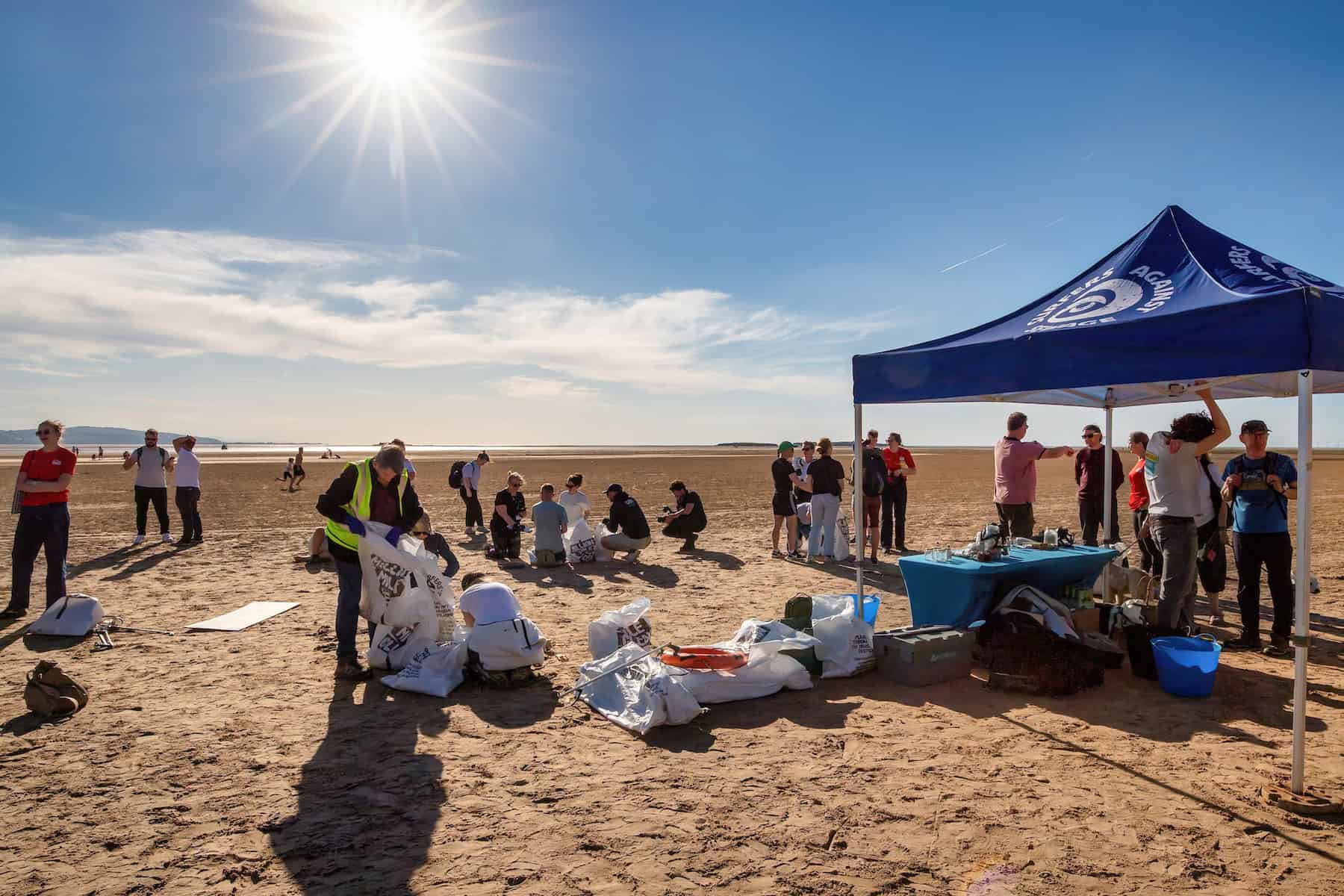
On West Kirby beach in Merseyside, Ellie Simmonds knelt in the sand alongside 24 other volunteers, gathering plastic fragments that would never reach the ocean. In May, this five-time Paralympic gold medallist and former Commonwealth swimmer helped collect 21 kilograms of rubbish in a single afternoon — 552 plastic items, among them 111 branded goods from 56 different companies. It was a snapshot of something larger: a campaign that is redefining what a global sporting event can accomplish.
For the first time in its history, the King's Baton Relay — the ceremonial journey that leads into every Commonwealth Games — has been linked to a campaign with a specific, measurable environmental target. The Commonwealth Clean Oceans Plastics Campaign, a partnership between Commonwealth Sport and the Royal Commonwealth Society, aims to stop one million pieces of plastic from entering Commonwealth waters before Glasgow 2026. The Games will be held from 23 July to 2 August 2026, marking the culmination of a relay route that spans Commonwealth nations and territories across Africa, Asia, the Caribbean, the Americas, Europe and the Pacific.
This matters because the Commonwealth accounts for roughly a third of the world's ocean waters, and almost half of Commonwealth nations are Small Island Developing States acutely exposed to marine pollution, rising seas and the waste that drifts onto their shores from distant sources. The campaign has already demonstrated momentum. According to Commonwealth Sport's live tracker, communities along the relay route have collected more than 625,000 pieces of plastic — already past the halfway point toward their million-piece goal.
What makes the West Kirby clean-up particularly revealing is not just the quantity collected but what the items reveal about how plastic enters the ocean. The 111 branded items from 56 different brands suggest a clear trail: packaging from shops, streets and bins finds its way to shorelines through runoff and litter. That evidence can become pressure, giving communities concrete data to present to manufacturers and policymakers about which materials are most persistently polluting their waters.
Simmonds, who spent years swimming in chlorinated pools before retiring and pivoting toward ocean conservation, understands both the personal and the systemic stakes. "Sport is so powerful, it can facilitate change," she told Positive News magazine. "If sport can do that one thing to create change, then it can create that ripple effect."
That ripple effect is both literal and figurative. Beach cleanups alone will not solve plastic pollution at its source, but they remove waste before it fragments into smaller, more toxic particles, and they create visible, tangible action that communities can rally around. They also serve as a reminder that a global sporting event, watched by millions of people, has the opportunity to leave behind something more than medals and memories.
The Commonwealth Games, held every four years, has long carried the baton relay as one of its most recognizable traditions — a ceremonial message from the head of the Commonwealth delivered to the opening ceremony. This time, that journey is also a practical route map for environmental action, with athletes, schools, conservation groups and local volunteers mobilized across dozens of nations. Whether Glasgow 2026 can transform a sporting spectacle into measurable environmental repair remains to be seen. But on beaches and in waterways across the Commonwealth, the work of stopping plastic has already begun.