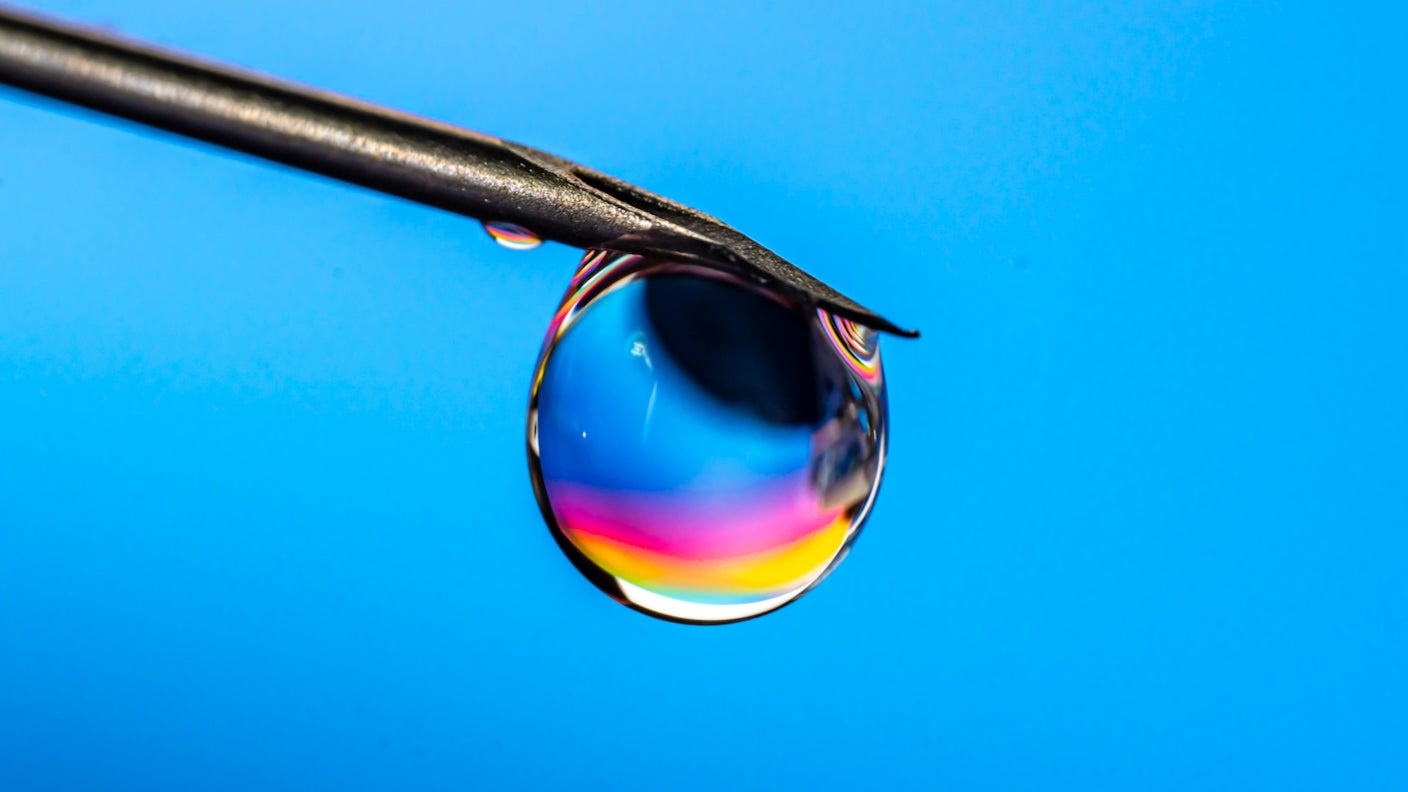
Kate Adamala’s lab at the University of Minnesota hums with quiet focus, where tiny droplets shimmer under microscopes—each one a step toward something extraordinary. Inside those droplets are SpudCells, synthetic blobs no bigger than a speck of dust, yet capable of growing, dividing, and copying their DNA. They’re not quite alive, but they’re doing the dance of life like nothing built from scratch ever has.
Scientists have long dreamed of creating life in the lab, not to play god, but to understand how life began—and to build cells that could one day make medicine, clean up pollution, or replace plastic made from oil. Some researchers focus on how life might have sparked on early Earth; others, like Adamala, want to design useful cells from the ground up. Her work sits at the crossroads of curiosity and real-world use.
SpudCell is made of simple ingredients: a bubble of fat, 90,000 genetic base pairs, and a mix of enzymes borrowed from real bacteria. It can feed itself, grow, and split into two—just like a living cell. It even carries its DNA across generations, at least for a few rounds. In July, Adamala announced this breakthrough: SpudCell is the first synthetic system built entirely from non-living parts to complete a full cell cycle. A series of microscope images shows one cell becoming two, a quiet revolution in a petri dish.
Still, SpudCell isn’t fully alive. It can’t make all its own proteins, and it can’t evolve on its own. The full scientific paper hasn’t been peer-reviewed yet. But the progress is undeniable. These synthetic minimal cells could one day deliver drugs inside the body or produce sustainable chemicals in factories. Because they’re built from known parts, they’re more predictable than natural cells—like a stripped-down engine designed for one job.
The field is growing fast, backed by the National Science Foundation and NASA, but it’s also drawing more scrutiny. If synthetic cells escaped or were misused, they could pose risks. That’s why researchers like Adamala stress safety and control. For now, SpudCells can’t survive long without help from the lab.
The dream of building life isn’t about replacing nature—it’s about understanding it, and using that knowledge wisely. Every dividing SpudCell brings us closer to answering an ancient question: What does it mean to be alive? And maybe, just maybe, it will help us build a healthier, cleaner world along the way.