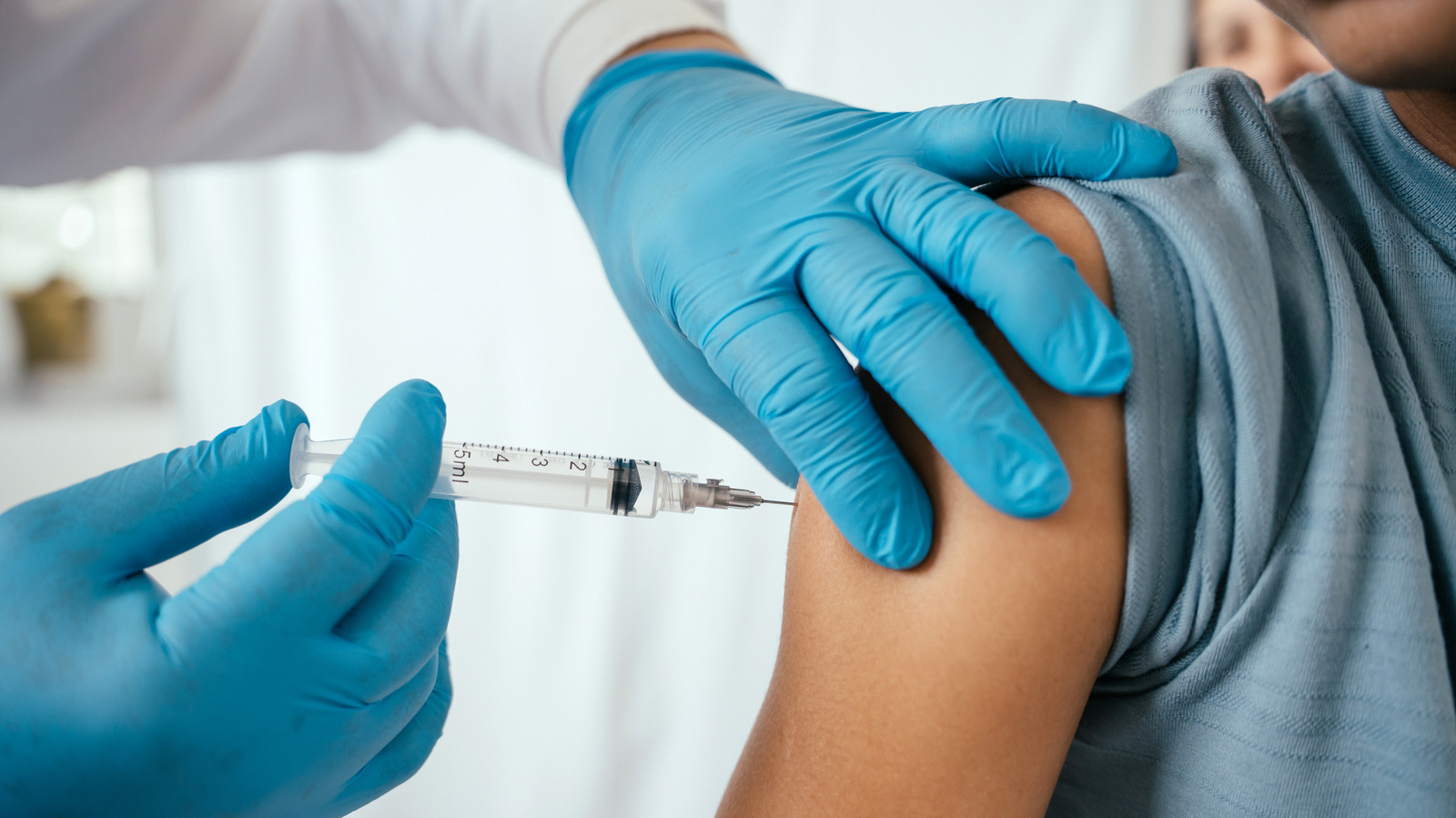
When 39 volunteers in Southampton rolled up their sleeves for an experimental jab, they became part of a medical milestone: the first human trial of an AI-designed vaccine. Developed by a team at the University of Cambridge, the vaccine—called pEVAC-PS—was crafted not by trial and error, but by an artificial intelligence platform named DIOSynVax, short for Digitally Immune Optimised Synthetic Vaccine. This isn’t just a new vaccine; it’s a new way to make vaccines, one that could dramatically accelerate how we respond to emerging pathogens. In a world still learning to live with coronavirus variants, and bracing for future pandemics, the promise of faster, more adaptable vaccine design has never been more urgent.
The trial, conducted at the NIHR Southampton Clinical Research Facility, tested pEVAC-PS across multiple dosages in adults aged 18 to 50. The results, published in the Journal of Infection, showed the vaccine was safe and well-tolerated in all participants, with no serious adverse effects. Expected immune responses—like mild fever or fatigue—were observed, but nothing beyond what’s typical in vaccine trials. Crucially, the vaccine was formulated as DNA and delivered using needle-free intradermal technology, a sci-fi-sounding method reminiscent of Star Trek’s hypospray. This approach not only reduces needle waste but also simplifies storage and distribution, a major advantage for global immunization campaigns.
What sets pEVAC-PS apart is its ambition: it’s designed to target the entire Sarbecovirus subgenus, which includes SARS-CoV-1, SARS-CoV-2, and other related coronaviruses with pandemic potential. By using AI to model and optimize a “super antigen,” researchers aimed to create broad protection—what some have called a step toward a universal coronavirus vaccine. While this phase 1 trial didn’t measure efficacy against infection, it laid the essential groundwork: proving the concept is safe in humans. Future trials will need to test its effectiveness, especially against variants like omicron BA.1 and BA.2, and include more diverse populations to ensure equitable protection.
Still, the implications are profound. DNA vaccines like pEVAC-PS can be rapidly redesigned and manufactured, making them ideal for responding to new threats. Combined with AI-driven design, this could shrink the vaccine development timeline from years to months. As climate change and urbanization increase the risk of zoonotic spillovers, having a faster, smarter vaccine pipeline may be one of our best defenses. The road ahead is long, but this small trial in Southampton marks the beginning of a new era—one where artificial intelligence doesn’t just predict the future, but helps us build it.