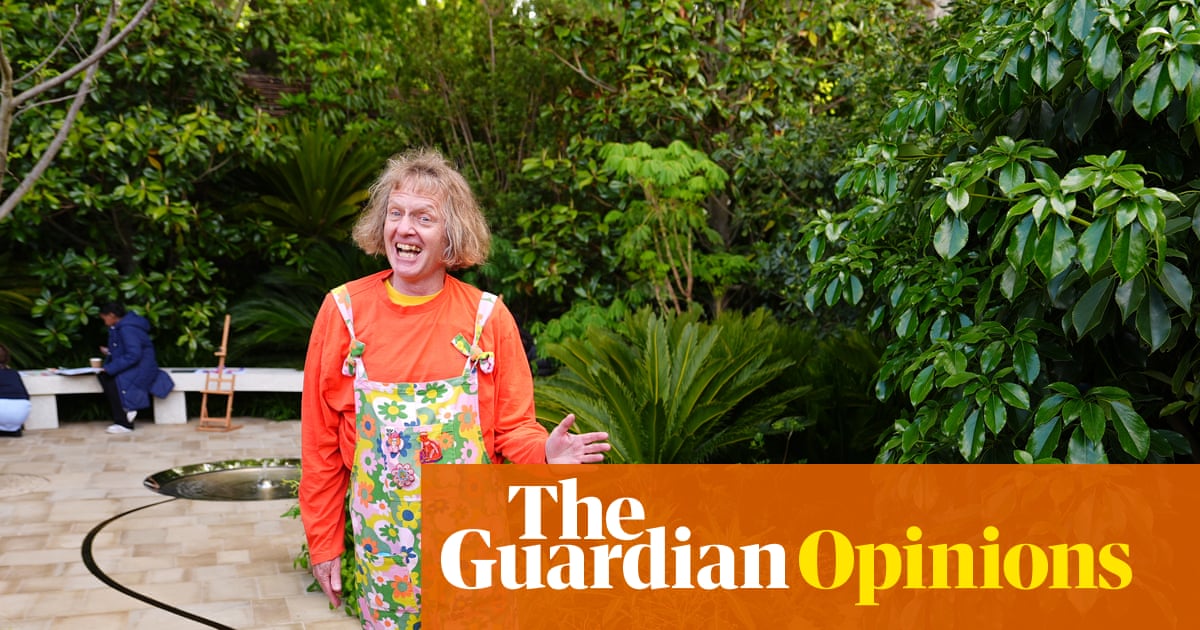
London's most prestigious museums and galleries are doing something audacious: they're turning their neglected outdoor spaces into world-class gardens that rival the art hanging inside their walls. This spring, visitors to Tate Britain will step out onto a redesigned Millbank garden inspired by Victor Pasmore's 1979 painting The Green Earth, complete with a Barbara Hepworth bronze sculpture that earned an RHS gold award at this year's Chelsea Flower Show. It's a small but symbolic shift—one that speaks to how major cultural institutions are rethinking their relationship with nature and community.
For decades, Tate Britain's 1897 building cast an imposing shadow over its garden: two overlooked rectangles of lawn that most visitors never noticed. The landscape architect Tom Stuart-Smith's transformation will introduce exotic plantings—magnolias, sago palms, chinaberry trees, pomegranates, and figs—that acknowledge both London's increasingly Mediterranean climate and a genuine commitment to biodiversity. The gallery, like many museums struggling to recover visitor numbers since the pandemic, recognizes that green spaces can be a powerful draw.
The Natural History Museum in South Kensington has already proved this point. After a five-year, £25 million renovation that reopened in 2024, the museum welcomed over 5 million visitors in its first year. The once-underused lawns are now alive with schoolchildren discovering tadpoles and dinosaur skeletons in an outdoor space that feels like an exciting extension of the museum itself. Fig and pomegranate trees shade the pathways—a small horticultural touch with outsized impact.
This movement extends across London. Colombian artist Delcy Morelos recently filled the Barbican's concrete Sculpture Court with 30 tonnes of soil to create Origo, a massive mud installation that transforms hard surfaces into living art. Kew Gardens is hosting the world's largest outdoor exhibition of Henry Moore sculptures. And established venues like Compton Verney in Warwickshire, Yorkshire Sculpture Park, and Hepworth Wakefield have long shown how art, architecture, and nature can flourish together.
The appeal runs deep. As Barbara Hepworth once said, "I prefer my work to be shown outside. I think sculpture grows in the open light and with the movement of the sun its aspect is always changing." Her vision resonates in our moment, when climate anxiety, biodiversity loss, and urban isolation weigh heavily. These projects offer something urgent: beauty and connection in a world that increasingly feels fragmented.
Yet there's an equity question worth naming. The Tate Britain and Natural History Museum's gardens exist because of significant charitable donations—the kind most cultural institutions lack. What makes these projects vital is that access is free to all. In a city where a private garden is an unaffordable luxury for many, public green spaces operated by galleries and museums become sanctuaries. They're not just bricks and mortar anymore. They're places where art and nature meet to welcome everyone through the door.