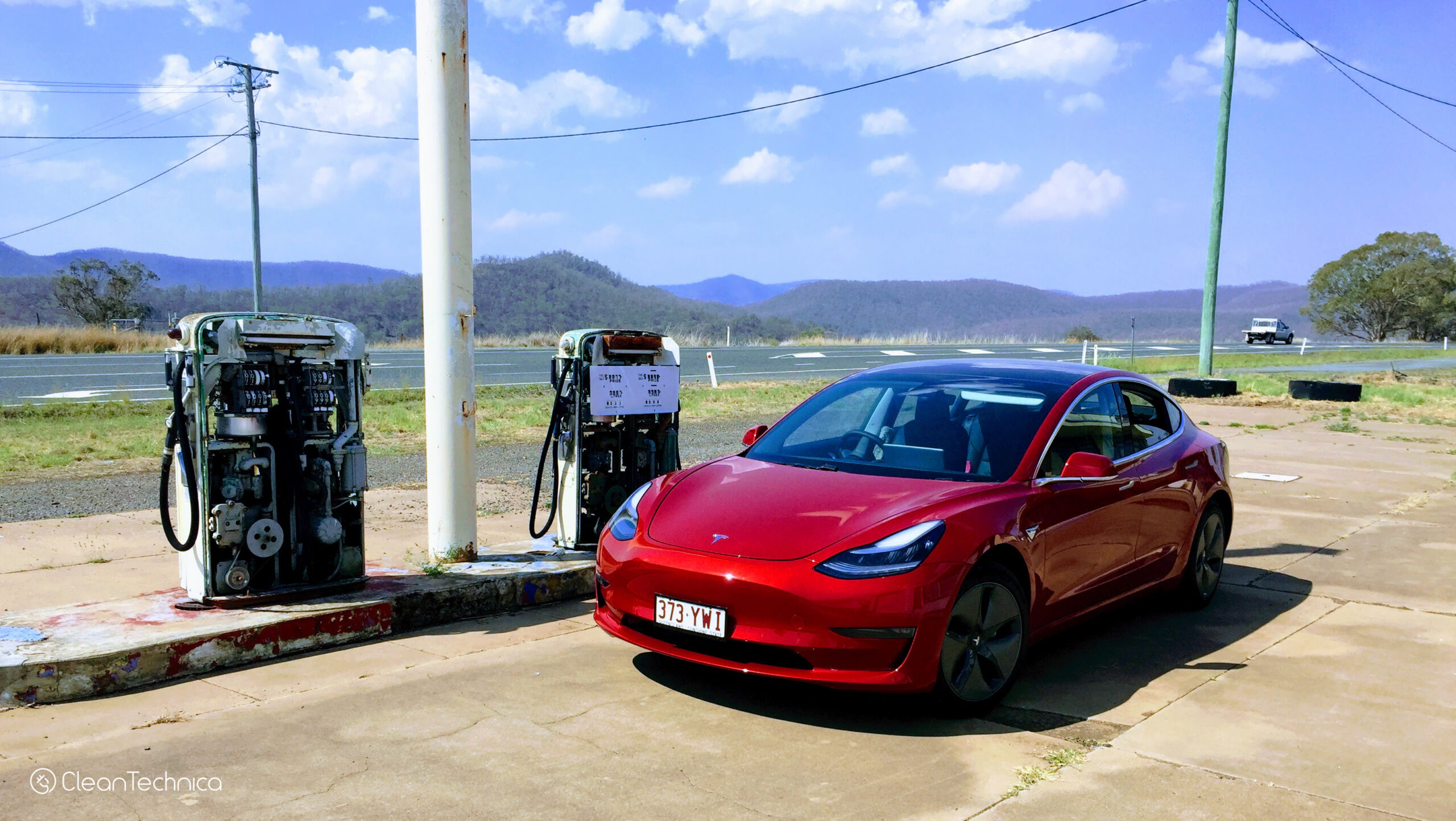
An ordinary weekend at a Costco gas station turned into an eye-opening moment about the hidden friction of driving gas cars—long lines of idling vehicles snaking through every available pump, drivers waiting their turn to fuel up. What struck the observer most wasn't the wait itself, but the contrast: they had grown accustomed to the simple ritual of plugging in an electric vehicle at home each night, no lines, no delays, no hassle.
For the hundreds of millions of people worldwide still filling gas tanks, these inconveniences are simply part of the routine. But they represent a genuine cost of ownership that rarely enters conversations about EVs versus traditional cars. When people ask about electric vehicle charging times, they're often imagining the same friction they experience at the pump—the need to stop, wait, and let someone else's pace dictate theirs. It's a fundamental misunderstanding rooted in decades of gas car dependency.
The reality is starkly different. An EV owner who has home charging—and statistically, most do—can wake up each morning with a full "tank," much like someone who charges their phone overnight. Even those without home access find that waiting for a charger to become available is extraordinarily rare. The observer recalls living without home charging for years and needing to wait for a charger to open up perhaps once or twice in that entire period. Compare that to a weekend at Costco, where multiple vehicles idle simultaneously, burning fuel and time.
The lineup at Costco's gas station was likely driven by price pressure; consumers flock there for cheaper fuel, especially when global events spike prices at the pump. The war in Iran has contributed to elevated gas prices, making the already-inconvenient process of refueling feel even more urgent. Yet this urgency highlights an uncomfortable truth: gas car ownership creates artificial scarcity and waiting, while EVs—particularly with home charging—eliminate that bottleneck entirely.
But inconvenience is only one part of the story. There's also the matter of safety and fraud. A scam circulating on social media reveals a more sinister side of gas station culture. A TikTok user named Marvis documented an incident where someone had attached a screw to a gas pump—a deliberate trap designed to trigger a billing malfunction that makes a subsequent driver liable for unpaid fuel. It's an ingenious form of theft that preys on the trust people place in basic infrastructure.
For EV drivers, this particular scam is impossible. The charging infrastructure is not only more convenient but fundamentally safer. There are no pumps to tamper with, no payment mechanisms embedded in public hardware waiting to be exploited. Whether charging at home, at work, or at a public station, the transaction is digital and direct, eliminating the vulnerability that exists at thousands of gas stations every day.
These two realities—the daily inconvenience of refueling queues and the lurking risk of pump-based fraud—paint a clearer picture of what EV adoption truly offers. It's not just about emissions or energy efficiency, though those matter enormously. It's about reclaiming time, reducing daily friction, and moving away from infrastructure designed around scarcity and vulnerable payment points. For the drivers of tomorrow, the choice between idling in a Costco lineup and plugging in at home may become as obvious as it sounds.