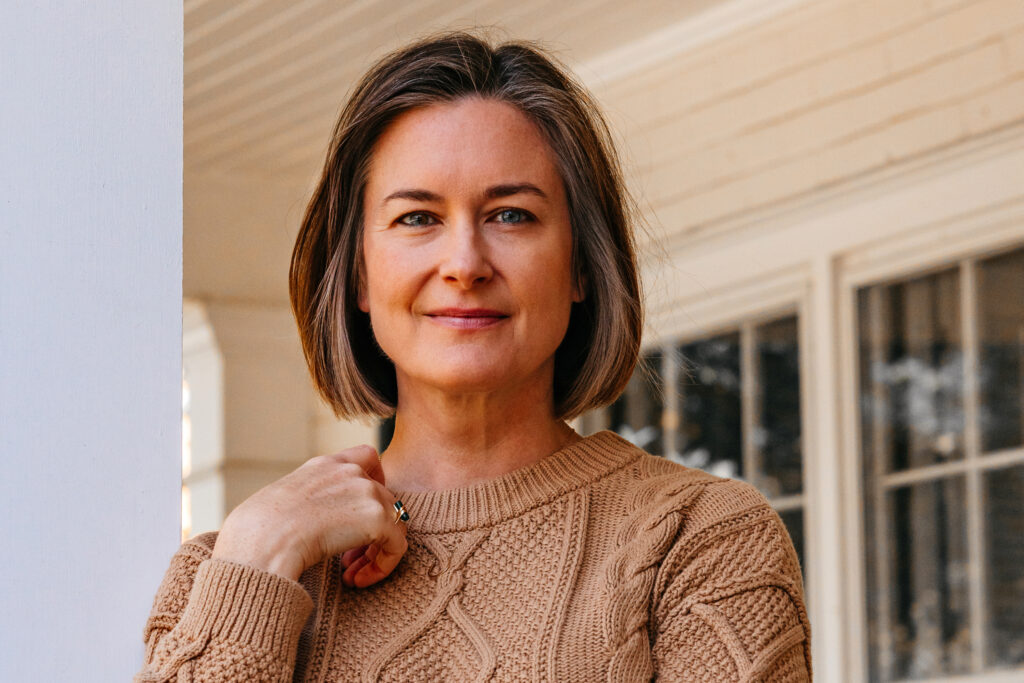
Katharine K. Wilkinson sits in a sunlit room in Atlanta, the city where she was born and where her latest idea has taken root—not as policy or protest, but as presence. After 27 years in the climate movement, she noticed a quiet crisis: people were burning out, not from lack of solutions, but from lack of support. Solar power is cheaper than ever, yet advocates are exhausted, paralyzed by grief, urgency, and the feeling that no action is enough. In response, Wilkinson wrote Climate Wayfinding, a book that doesn’t just tell readers what to do, but walks with them through the emotional terrain of climate action.
The book, published last month by Andrews McMeel Publishing, is unlike any other climate guide. It blends poetry, art, playlists, and reflective exercises into a living document meant to be shared—ideally in small groups, like the consciousness-raising circles that fueled second-wave feminism or the Black church gatherings that anchored the civil rights movement in her hometown. Wilkinson, who holds a doctorate in geography and environment from Oxford and co-hosts the podcast A Matter of Degrees, believes these quiet, human spaces are the invisible infrastructure of lasting change. Without them, movements fracture under pressure.
Climate Wayfinding emerged from a program Wilkinson developed to help climate advocates pause, reflect, and reconnect. Through guided meditations, creative mapping, and free writing, participants explore not just their role in the movement, but their inner landscape—grief, wonder, fear, hope. "It’s not just another climate book that talks to you, but it is a book that can actually walk with you on your own path of exploration," she says. The structure is intentional: to counteract the endless to-do lists that reduce people to “action takers and chore doers,” Wilkinson insists that our lives themselves can be sites of deep contribution.
The need is urgent. Burnout is widespread, and political momentum often stalls, especially at the federal level. But Wilkinson argues that slowing down isn’t retreat—it’s recalibration. "Those moments of taking the time to pause, to breathe, to reflect... are often the thing that help us get through that overwhelm," she says. When the world feels like it’s moving too fast, stillness becomes strategy.
As more readers gather in living rooms and virtual circles to engage with Climate Wayfinding, a new kind of climate resilience is taking shape—one built not on urgency alone, but on care, connection, and the courage to keep going. The movement, Wilkinson reminds us, is not just about changing the world. It’s about sustaining the people who are trying to change it.