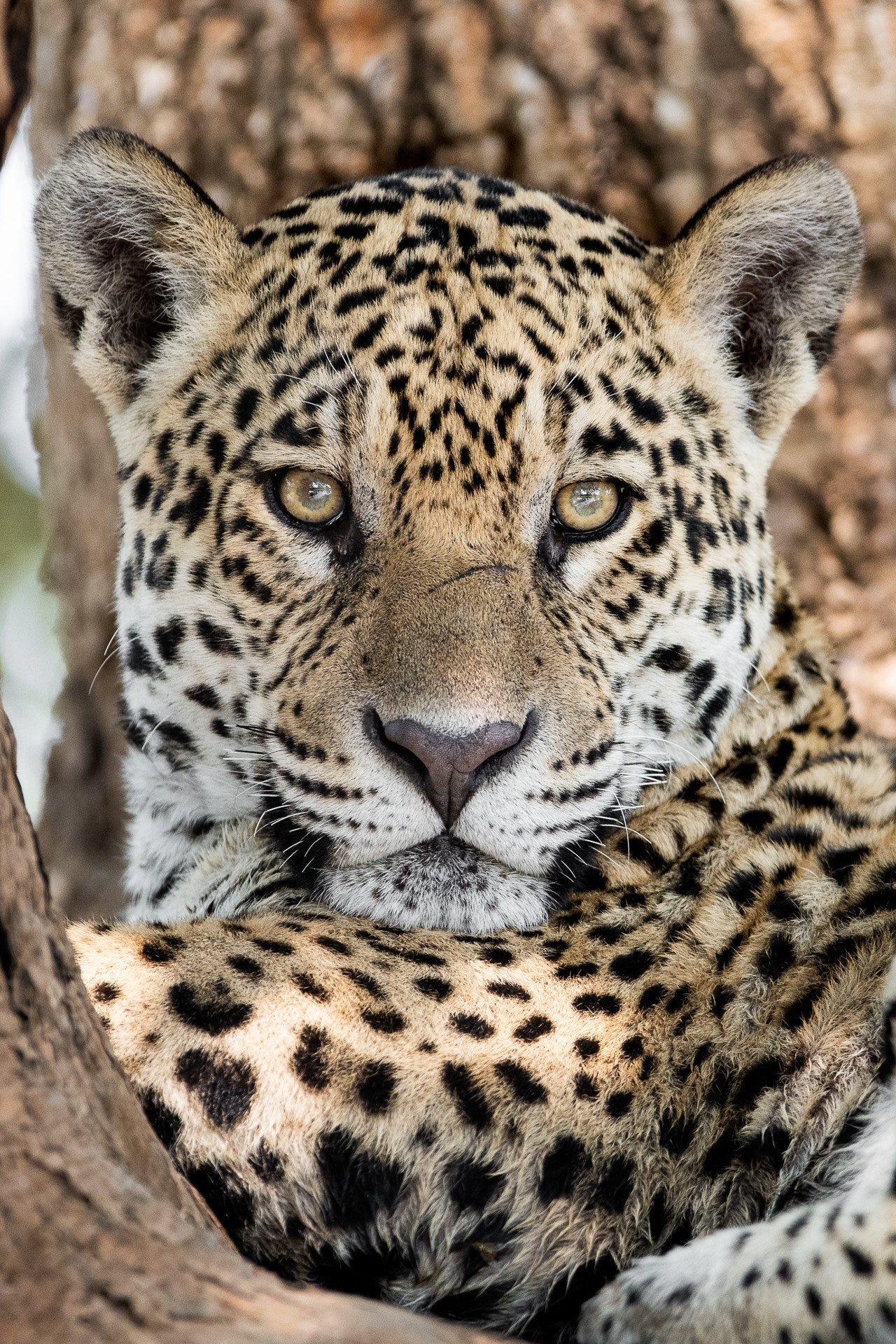
A jaguar emerges from dense vegetation along the Pantanal's riverbanks, patrols the shoreline with unhurried certainty, and slips into the water with barely a ripple—a sight that would seem impossibly rare almost anywhere on Earth, yet here in Brazil's Pantanal, it is a realistic expectation for visitors.
This transformation represents one of conservation's most compelling reversals. For decades, jaguars across Latin America faced relentless persecution. Hunters killed them for their stunning pelts. Ranchers shot them in retaliation for livestock losses. Communities feared them as threats rather than treasures, and populations plummeted across vast stretches of their historical range. The Pantanal, the world's largest tropical wetland, was no exception to these pressures.
What changed was not sentiment alone, but incentive. Local communities, ranchers, researchers, conservation organizations, and tourism operators recognized that living jaguars held more value than dead ones. Wildlife tourism began generating jobs, income, and economic opportunity that hinged on healthy jaguar populations. Conservation organizations invested in research, education, and coexistence programs. Ranchers developed new approaches to reducing conflict. Slowly but decisively, attitudes shifted.
The results are tangible and extraordinary. Today, parts of the Pantanal support some of the highest jaguar densities found anywhere in the world. Researchers have documented population increases in multiple regions. In certain areas, seeing multiple jaguars in a single day is no longer unusual. Photographers and wildlife enthusiasts now travel from across the globe specifically hoping to witness what was once unthinkable: thriving apex predators living visibly in a healthy ecosystem.
The recovery happened not because people stopped using the landscape, but because they found a way to make conservation economically valuable. Local guides, boat operators, lodge owners, and landowners all benefit directly when wildlife thrives. This alignment of human livelihoods with wildlife protection creates a virtuous cycle—the stronger the jaguar population, the more compelling the experience for visitors, the more sustainable the income for communities.
The Pantasal's appeal extends far beyond jaguars alone. Giant river otters patrol the waterways. Hyacinth macaws flash brilliant blue across the sky. Capybara gather along riverbanks. Thousands of caiman line the shores. Tapirs move through forests. Every boat journey feels like stepping into a wildlife documentary, yet visitors are witnessing authentic behavior in a functioning ecosystem rather than managed spectacle.
This model carries profound implications for conservation globally. It reminds us that when people love something, they protect it—and people are far more likely to love something once they have experienced it directly. Watching a wild jaguar stalk prey, swim a river channel, or claim territory creates a connection that photographs and statistics alone cannot forge.
The work is far from finished. The Pantanal still faces significant challenges: climate change, increasingly severe wildfires, habitat conversion, and ongoing human-wildlife conflict require constant vigilance. Conservation is never a destination but an ongoing process. Yet the jaguar story demonstrates what becomes possible when communities benefit from protecting nature alongside wildlife. It is a powerful reminder that people and wildlife can thrive together—not in spite of human presence, but because people have found ways to make their futures inseparable.