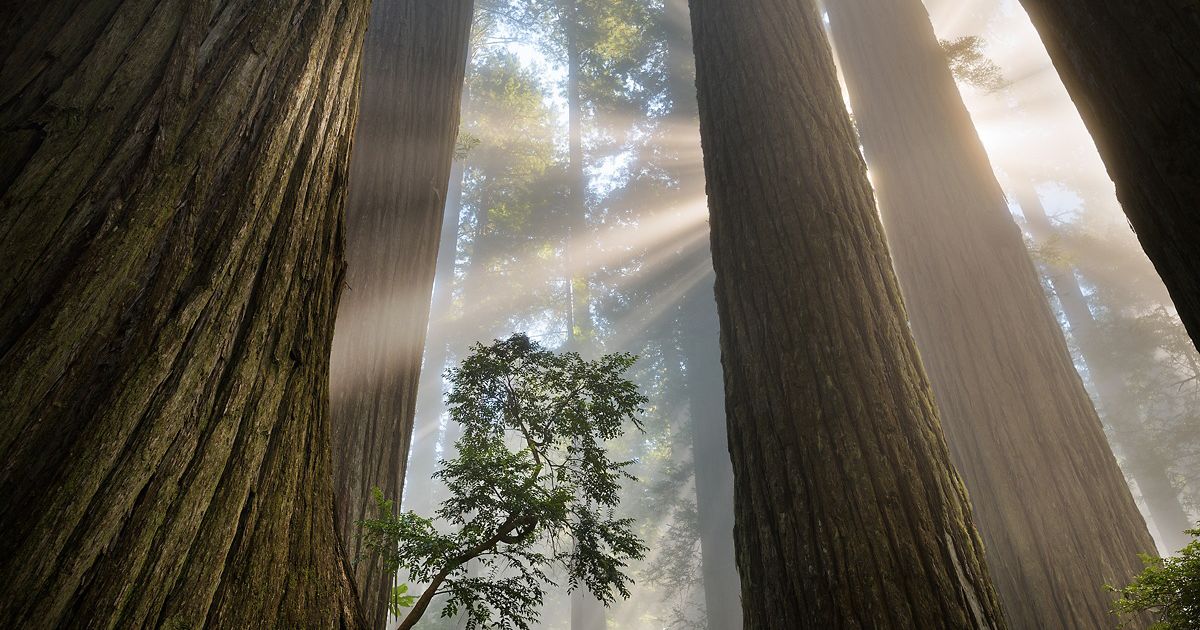
Devan King once stood beneath the towering spruce and hemlock of Cascade Head Preserve, just north of Lincoln City, Oregon, where mist curls through ancient forest canopies and salmon still pulse through clear, cold streams. It’s one of thousands of places where The Nature Conservancy (TNC) is turning conservation from promise into practice—not in some distant future, but now, across more than 80 countries and territories. This isn’t just about saving trees or coral reefs; it’s about reimagining how people and nature coexist on a planet under pressure. With the climate and biodiversity crises accelerating, TNC is scaling solutions fast, aiming to meet bold, measurable goals by 2030.
The stakes couldn’t be higher. Ecosystems are unraveling, communities face growing climate threats, and global emissions continue to climb. But within that urgency lies opportunity. TNC’s strategy hinges on science, equity, and scale—developing breakthrough ideas, elevating local leaders, and shaping policies that last. From dense Amazonian rainforests to bustling urban centers, their work adapts to the landscape, yet stays focused on outsized impact.
The numbers tell a story of ambition grounded in action. By 2030, TNC aims to conserve 650 million hectares of land—twice the size of India—protecting forests, grasslands, and deserts that shelter countless species and store vast amounts of carbon. In the oceans, they’re working to safeguard 4 billion hectares, more than 10% of the world’s seas, through marine protected areas and sustainable fishing practices. On land, they’re helping to avoid or sequester 3 billion metric tons of carbon dioxide annually—equivalent to taking 650 million cars off the road every year. That’s like removing every passenger vehicle in the United States, Canada, and the European Union—combined.
Equally vital is their commitment to people. TNC plans to support 45 million Indigenous and local community members in stewarding their environments and securing land rights, recognizing that conservation only lasts when it’s led by those who live on the land. They also aim to help 100 million people at severe risk from climate disasters by protecting natural buffers like mangroves, wetlands, and dunes that shield communities from storms and flooding. And they’re not forgetting freshwater: conserving 1 million kilometers of rivers—enough to circle the Earth 25 times—and 30 million hectares of lakes and wetlands that sustain life and livelihoods.
This work doesn’t happen without people. Volunteers, donors, scientists, and advocates all play a part. Whether it’s restoring a coral reef in Fiji, rewilding a forest in Mexico, or planting trees in Chicago, the movement is growing. The vision is clear: a world where nature doesn’t just survive, but thrives—alongside us.