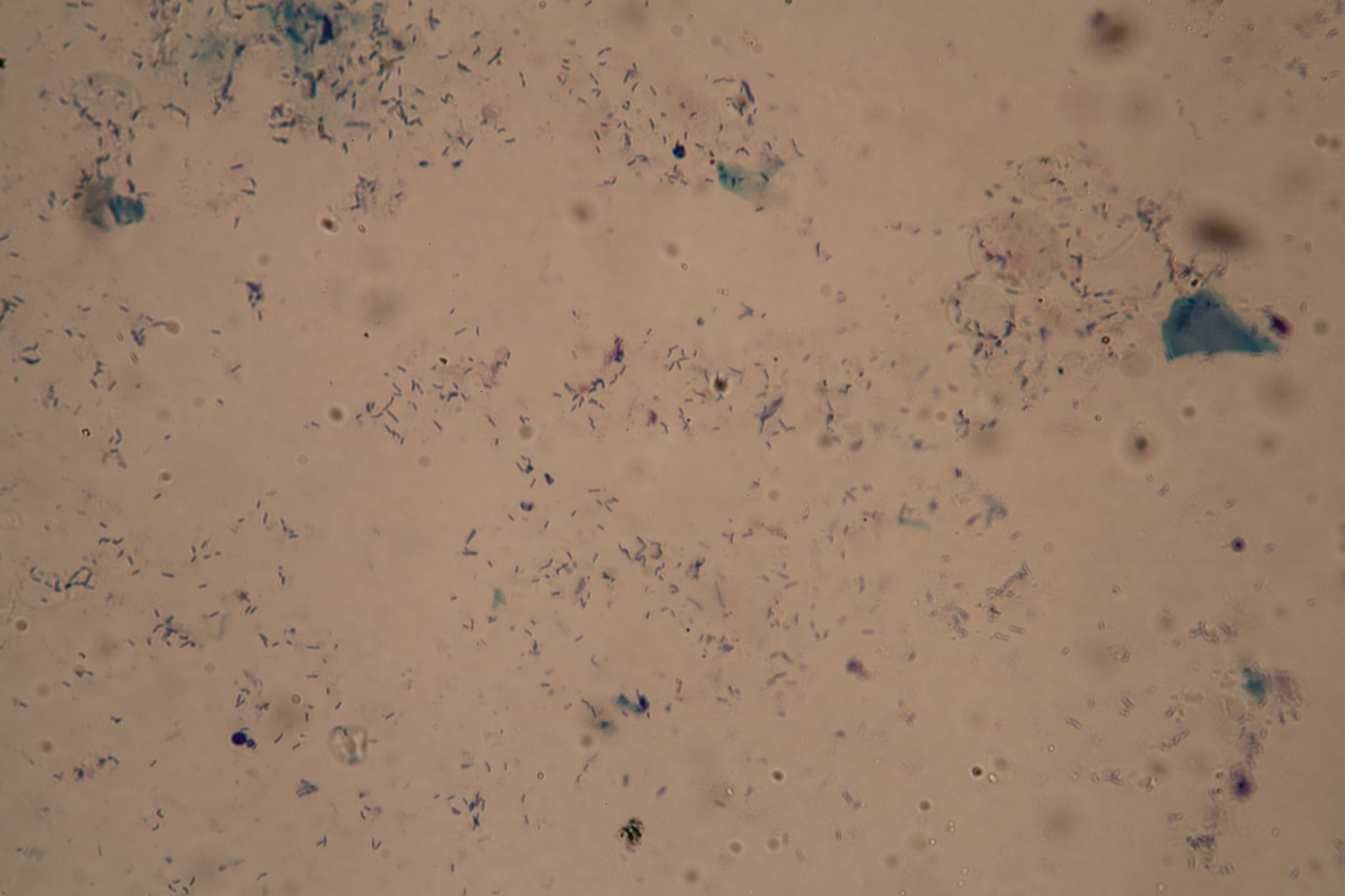
For nearly 150 years, TB patients have been waiting in clinics with a phlegm sample and a microscope. Now they may not have to wait much longer. Chinese biotech company Pluslife released the MiniDock MTB last year, a portable diagnostic device that scans for tuberculosis DNA using either a phlegm sample or a simple tongue swab—a shift that could transform how the world's deadliest infectious disease gets detected.
The stakes are enormous. Tuberculosis kills more than a million people annually, yet the standard diagnostic tool hasn't meaningfully changed since the 1880s. The microscope method has serious limitations: about half of actual TB cases are missed entirely. Many patients cannot produce phlegm samples at all—children, elderly people, and those already weakened by illness often cannot cooperate with the test. In resource-limited settings, this barrier becomes brutal. "Many people are making three, four, five visits before they finally come to a health center where there is TB testing available," says Adithya Cattamanchi, a pulmonologist at UC Irvine who has documented this pattern across health centers in Uganda. During those weeks or months of delay, the disease progresses unchecked, and every untreated patient continues spreading it.
The MiniDock MTB works by heating and spinning a sample, then scanning for TB DNA. The portable device costs $300, and each individual test runs $3 to $4—making it financially accessible in low-resource settings where TB burden is heaviest. A landmark study published in the New England Journal of Medicine tested the device across nearly 1,400 patients with TB symptoms at health centers in seven countries spanning Africa and Asia. Both phlegm and tongue swab samples met WHO accuracy targets, and the World Health Organization had already recommended the test before the study was published.
The implications reach far beyond individual diagnoses. Alfred Andama, a microbiologist at Makerere University College of Health Sciences in Uganda, notes that early detection shifts the entire disease trajectory. "Detecting patients early, starting them on treatment early and following up to make sure they adhere to treatments makes a lot of improvement in their lives," he explains. Earlier intervention also cuts transmission rates and prevents drug resistance from developing while the disease remains untreated.
The device's development carries an unexpected silver lining from the pandemic. When COVID-19 hit, research funding and innovation flowed toward swab-based molecular diagnostics at unprecedented speed. Pluslife and other companies have since redirected those advances toward tuberculosis—essentially channeling lessons from one crisis into solving a chronic, neglected emergency.
Yet Cattamanchi and others are clear-eyed about limitations. Lucica Ditiu, executive director of the Stop TB Partnership, points out that the MiniDock MTB may miss early-stage cases when bacterial load is still low. "For that type of work, we don't think this is the tool yet," she says. The device also cannot distinguish drug-resistant TB from standard strains, requiring a separate confirmatory test that remains crucial for treatment decisions.
Despite those constraints, Cattamanchi sees momentum building. Having watched countless patients make multiple clinic journeys just to access testing, he frames the shift plainly: "My hope honestly is that after more than 150 years, we finally get rid of using a microscope. And everyone who has TB symptoms is getting a high-quality molecular test. I think we're closer to that today than we've ever been before."