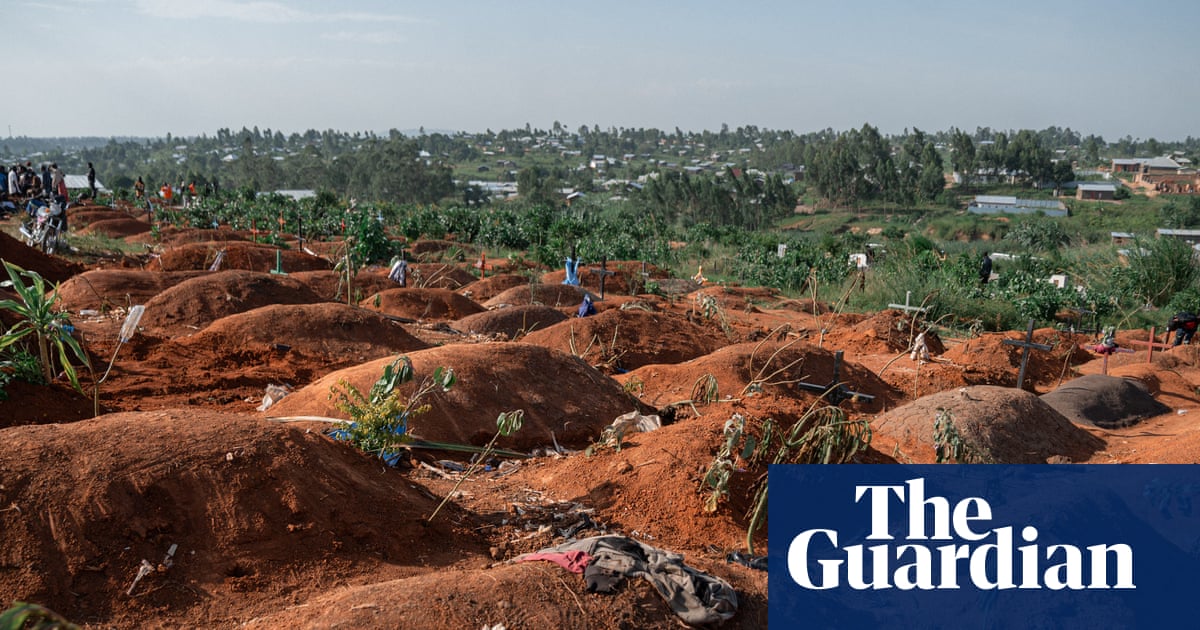
The Ebola outbreak spreading through the Democratic Republic of the Congo has now reached 782 confirmed cases and 181 deaths — a stark reminder, World Health Organization director Dr Tedros Adhanom Ghebreyesus and Brazil's President Luiz Inácio Lula da Silva say, that the next global health crisis could arrive at any moment.
In a joint letter released as G7 leaders gathered in France, the two leaders made an urgent appeal: finalize the pandemic treaty. Now. Five years have passed since world leaders first announced plans for such an agreement in March 2021, and negotiators will meet again next month for a crucial new round of talks on the "pathogen access and benefit sharing" annexe — the final piece holding the whole accord together.
That annexe is the sticking point. Countries missed a May deadline after failing to agree on two questions: how nations should share information on dangerous pathogens, and what guaranteed access to vaccines, tests and treatments developing countries should receive in return. The fear among poorer nations is clear — without mandatory requirements for pharmaceutical companies, the world could repeat the same pattern seen during Covid-19, when wealthier countries hoarded doses while poorer ones waited.
"The world must finish what it started, and you can help it do so," Tedros and Lula wrote. They asked leaders to carry "a memory the whole world shares" — of hospitals overflowing, of families saying goodbye through glass, or by telephone, or not at all. "Estimates from WHO and others put the lives lost at up to 20 million," they noted. "Humanity promised itself, in the rawness of that grief, that it would not face such a day again unprepared."
The letter arrives as the annexe is described as "the last piece of the puzzle." Bringing it into effect will require what the leaders call "political will at the highest level," "a spirit of equity" and "a sense of urgency." They argue the investment is modest compared to the alternative: Covid-19 cost the global economy more than $13 trillion. Industry representatives have pushed back, arguing that mandatory requirements could slow research and development.
The stakes, Tedros and Lula write plainly, are real. "The next pandemic will not wait for us."