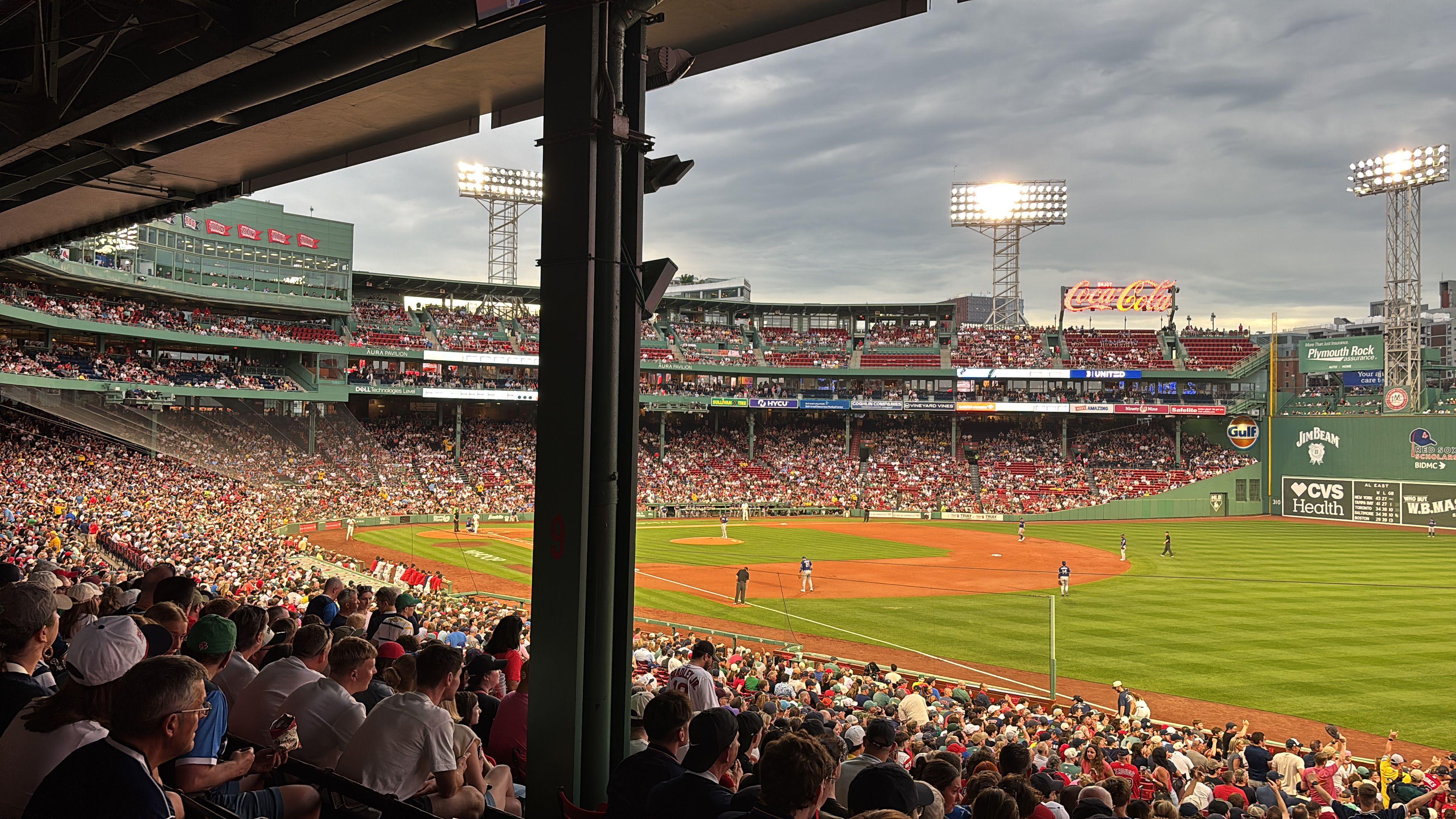
It was 9 p.m. on a humid Sunday in Boston, and Fenway Park—baseball’s 112-year-old cathedral—was echoing with a sound never heard before: 10,000 Scottish voices belting out 'Yes Sir, I Can Boogie' beneath the Green Monster. The Red Sox were losing, yes, but that hardly mattered as the Tartan Army, fresh off Scotland’s World Cup win over Haiti, transformed the historic ballpark into a raucous celebration of kinship, kilts, and unexpected joy. This was no ordinary game night. It was Travis Pollio’s brainchild—a 'Scottish Celebration'—and it drew so many Scots that blue tartan Red Sox jerseys outnumbered the team’s classic red and white. Pollio, the Red Sox director of ticket strategy and promotions, had predicted 4,000 Scottish fans. He was off by more than double.
The cultural collision was as seamless as it was surreal. The Star Spangled Banner gave way to an a cappella 'Flower of Scotland,' sung with such force it seemed to rattle the bleachers. Highland-dressed mascots Tessie and Wally waved from first base. A pipe band roared near Jersey Street. And when the organist played 'Loch Lomond' with a sign reading 'No Scotland, No Party' taped to his console, the entire park swayed. Even the nuances of baseball became a shared language—American fans explained innings and pitch counts, while Scots returned the favor with tales of John McGinn’s 'Meatball' nickname and the sacredness of a McTominay goal.
The magic wasn’t just in the songs or the kits. It was in the moments: a young couple getting engaged on the jumbotron to wild Scottish cheers; a child in a Scotland jersey snatching a would-be home run from the sky like a seasoned keeper. These were not just fans watching a game—they were neighbors, for one night, building something bigger than sport. When the Red Sox ultimately fell 6-4 to the Texas Rangers, one Scottish fan texted, 'Class night, but what was the score? We thought it was 1-0.' That sentiment—where the result fades behind the experience—captures the night’s true victory.
This wasn’t just about attendance or promotions. It was about belonging. The Tartan Army, long known for passionate pilgrimage, found a temporary home in Boston, and Boston opened its arms. As the last chords of 'Auld Lang Syne' echoed into the summer air, it was clear: sport can divide nations, but on nights like this, it can also stitch them together.