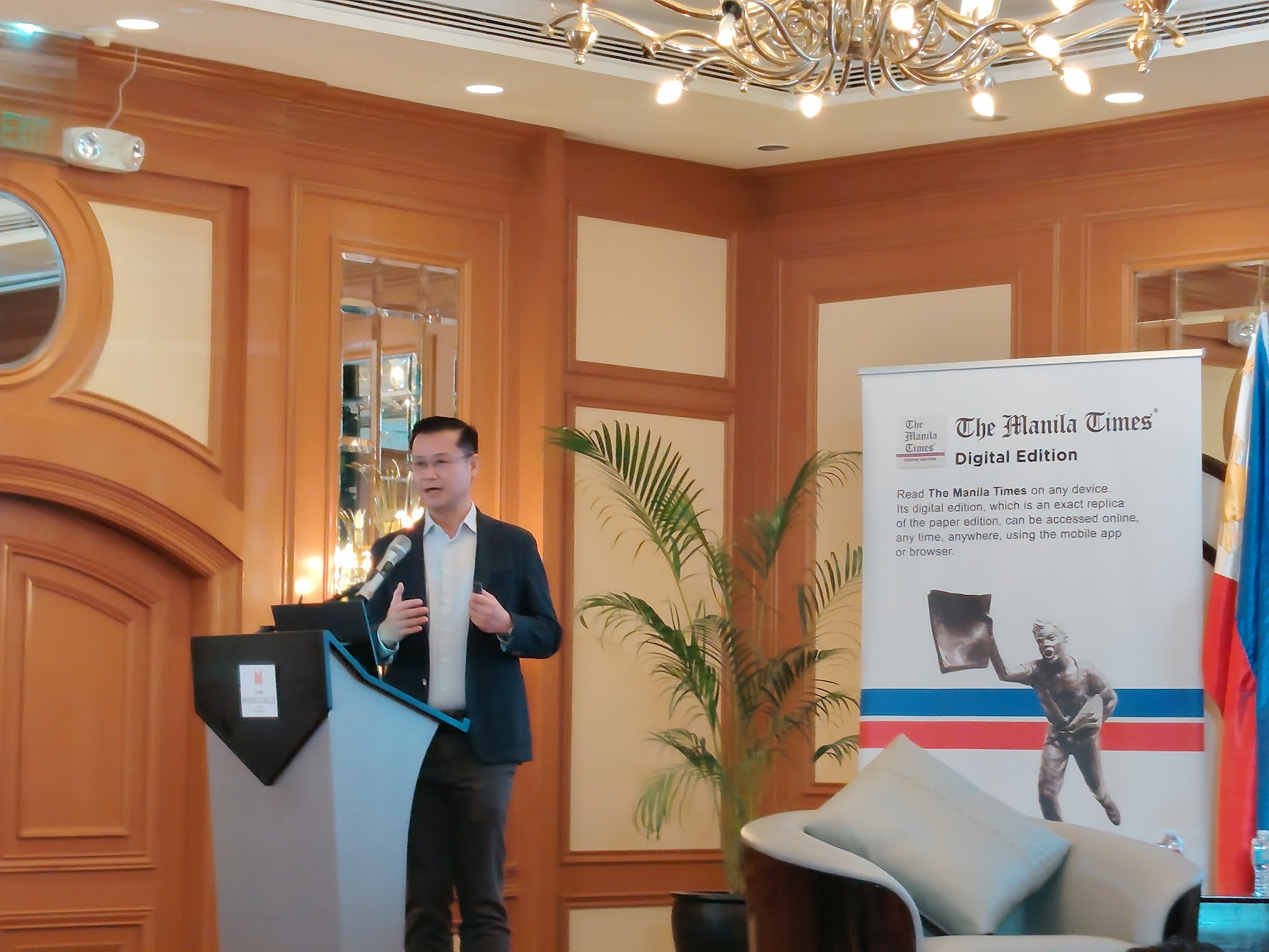
Senator Sherwin Gatchalian posed a question that cuts to the heart of the Philippines' energy paradox: "We're shipping nickel to China to make batteries. Why not make the batteries here?" The query, aired during Manila's automotive forum, highlights a stunning contradiction — the Philippines holds one of the world's largest nickel reserves, a critical ingredient in electric vehicle batteries, yet EVs account for only about 1 percent of vehicles on its roads.
For many developed nations, electric vehicle adoption is framed as an environmental imperative. For the Philippines, it has become something far more urgent: an economic and energy security issue. The country imports nearly all of its petroleum requirements, leaving it dangerously exposed to global oil shocks and geopolitical instability. Transportation alone accounts for more than half of national oil consumption, making the sector a pressure point that amplifies whenever fuel prices surge — a vulnerability starkly illustrated by recent Middle East tensions tied to Iran.
This reality has prompted Philippine lawmakers to push for more aggressive electrification policies. Gatchalian, speaking at the Manila Times Automotive Forum, called for stronger implementation of the Philippines' Electric Vehicle Industry Development Act (EVIDA), arguing that tax incentives alone are insufficient. "If we manage to electrify the transportation sector, that's already half the battle won," he said, framing the transition not merely as environmental progress but as economic survival.
Yet the Philippines faces a familiar trap afflicting resource-rich developing economies: exporting raw materials while importing finished goods. Most of the country's nickel output is exported overseas for processing, particularly to China, which dominates global battery manufacturing. Meanwhile, Thailand has emerged as Southeast Asia's leading EV manufacturing hub, attracting major Chinese automakers including BYD through aggressive industrial incentives. Indonesia has leveraged its own massive nickel reserves to position itself as a battery production powerhouse, while Vietnam's VinFast has rapidly expanded both domestically and internationally. The Philippines, by contrast, has struggled to build comparable momentum.
Lawmakers are now studying amendments to EVIDA aimed at accelerating adoption and infrastructure deployment. Proposals under consideration include requiring commercial establishments to allocate at least 20 percent of parking spaces for EV charging and offering non-fiscal incentives such as discounted parking, toll exemptions, and streamlined registration. The government is also considering a gradual phaseout of internal combustion engine vehicle purchases for public fleets beginning in 2028 — a significant shift in a country where government agencies have been slow to electrify their own vehicles.
Price remains a persistent barrier. Although the Philippines has already removed excise taxes and tariffs on fully electric vehicles, they remain significantly more expensive than gasoline-powered alternatives for most consumers. Battery prices, which account for roughly 30 to 40 percent of total EV cost, continue declining globally — a trend that could gradually narrow the affordability gap in developing markets. Government financial institutions such as the Land Bank of the Philippines and Development Bank of the Philippines could help bridge the gap through zero-interest or low-interest financing programs, Gatchalian suggested.
Infrastructure deployment outside major urban centers like Metro Manila remains limited, fueling range anxiety and consumer hesitation. Gatchalian criticized the pace of charging station expansion, calling on commercial establishments and property developers to move far more aggressively. With its vast nickel wealth and growing policy momentum, the Philippines possesses the raw ingredients for EV leadership — but only if it can transform those resources into local manufacturing and comprehensive infrastructure before its regional competitors consolidate their advantage.