Ten grams of protein doesn't sound like much until you realize it's the difference between a meal that leaves you hungry and one that actually sticks. That's the insight behind protein stacking—a strategy that's gaining attention among dietitians as research increasingly shows that adequate protein intake is crucial for preserving muscle and brain health as we age. Rather than overhauling your diet overnight with chicken breasts and complicated meal prep, the approach asks something gentler: add small amounts of protein throughout the day. Ten grams at breakfast, ten at lunch, ten at a snack. It accumulates surprisingly fast.
The strategy works because it meets people where they actually eat. Most people who set a daily protein target quickly discover that a single dinner main course won't get them there—the real shortfall shows up in the smaller, convenience-driven moments when hunger strikes and old habits resurface. Dietitians suggest not fighting this reality but working with it. Rather than restructuring everything, you layer protein onto what you're already eating, making minimal changes to routines that already stick.
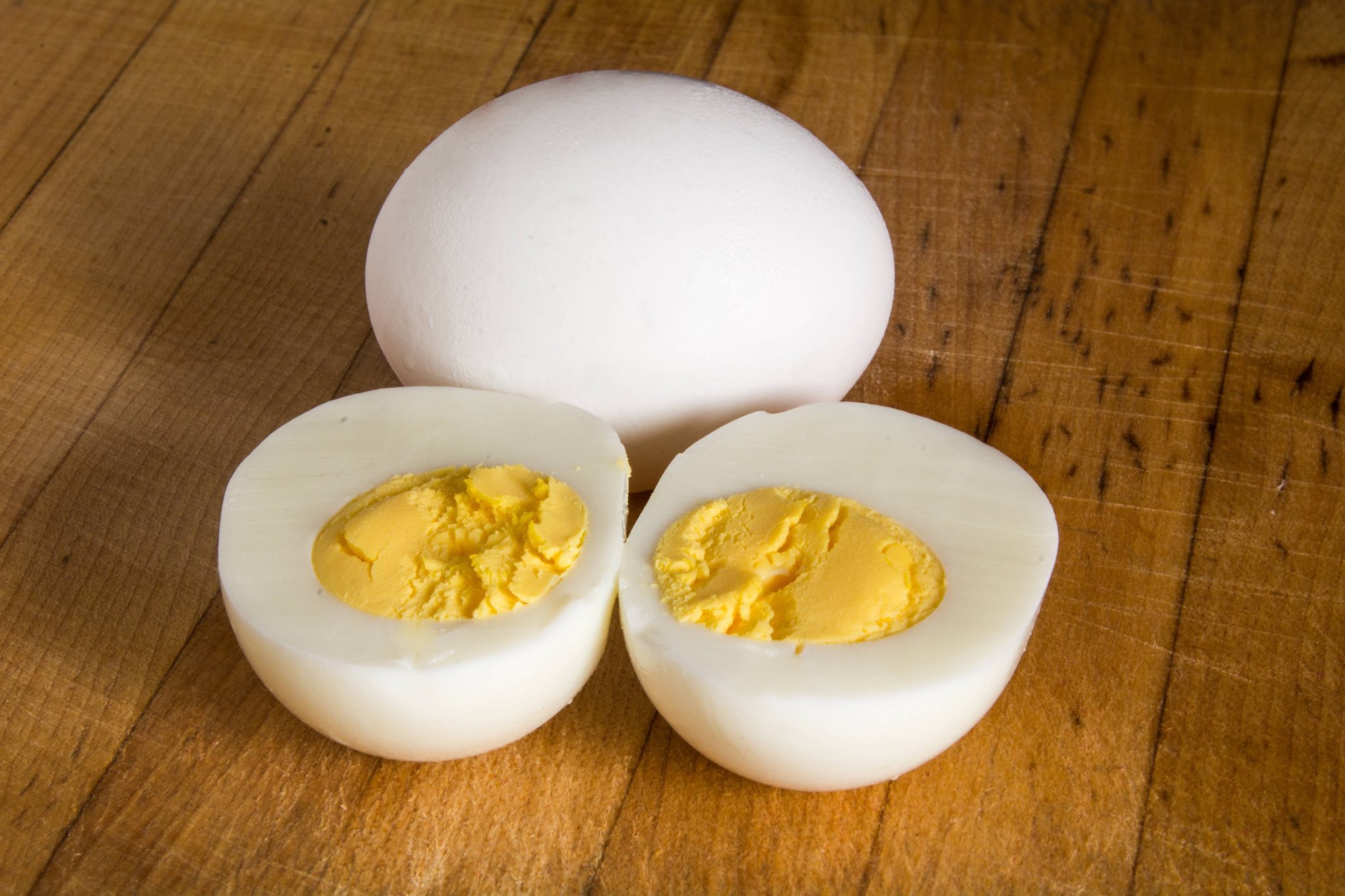
The easiest entry points require no cooking at all. Jarred or canned salmon, at one and a half ounces, delivers ten grams of protein straight from the jar. Flake it over a salad or eat it with crackers—preparation takes seconds. Shelled edamame, half a cup, hits the same target and can be frozen in batches, defrosted, and kept in the fridge all week. A quarter cup of pepitas adds ten grams and works equally well toasted over a salad, scattered on peanut butter toast, or mixed with chocolate chips and raisins. Two hard-boiled eggs provide twelve grams and keep well for days. Half a cup of almonds gets you to ten, as does one and a half ounces of cheddar—roughly three dice-sized cubes if visualization helps.
Beyond single-ingredient additions, certain foods work as versatile foundations that can anchor multiple meals. Half a cup of cottage cheese contains fourteen grams and can be blended into smoothies, whisked with olive oil, salt, and pepper into a dip, or used as a bowl base. Greek yogurt offers ten-plus grams per half cup and spreads under roasted vegetables, sits atop tacos, or pairs with almost any Mediterranean-leaning dish. Firm tofu at four ounces requires no cooking—a drizzle of soy sauce and sesame seeds transforms it into something complete—though it also handles stir-fries beautifully when you do want heat.
Perhaps most surprisingly, bone broth functions as a drinkable protein source. A cup delivers roughly ten grams while steaming in a mug, filling the gap between meals in a way that feels more like a comforting ritual than eating. It also swaps directly into soups and sauces as stock without changing anything else in the recipe.
The power of this approach lies in its simplicity: none of these foods demand to be the star of the plate. They're additions to salads, ingredients blended into smoothies, or items kept on hand for quick hunger relief. That's usually all it takes. By treating protein not as a centerpiece requiring reinvention but as a quiet enhancement woven throughout the day, the strategy becomes something people can actually maintain.