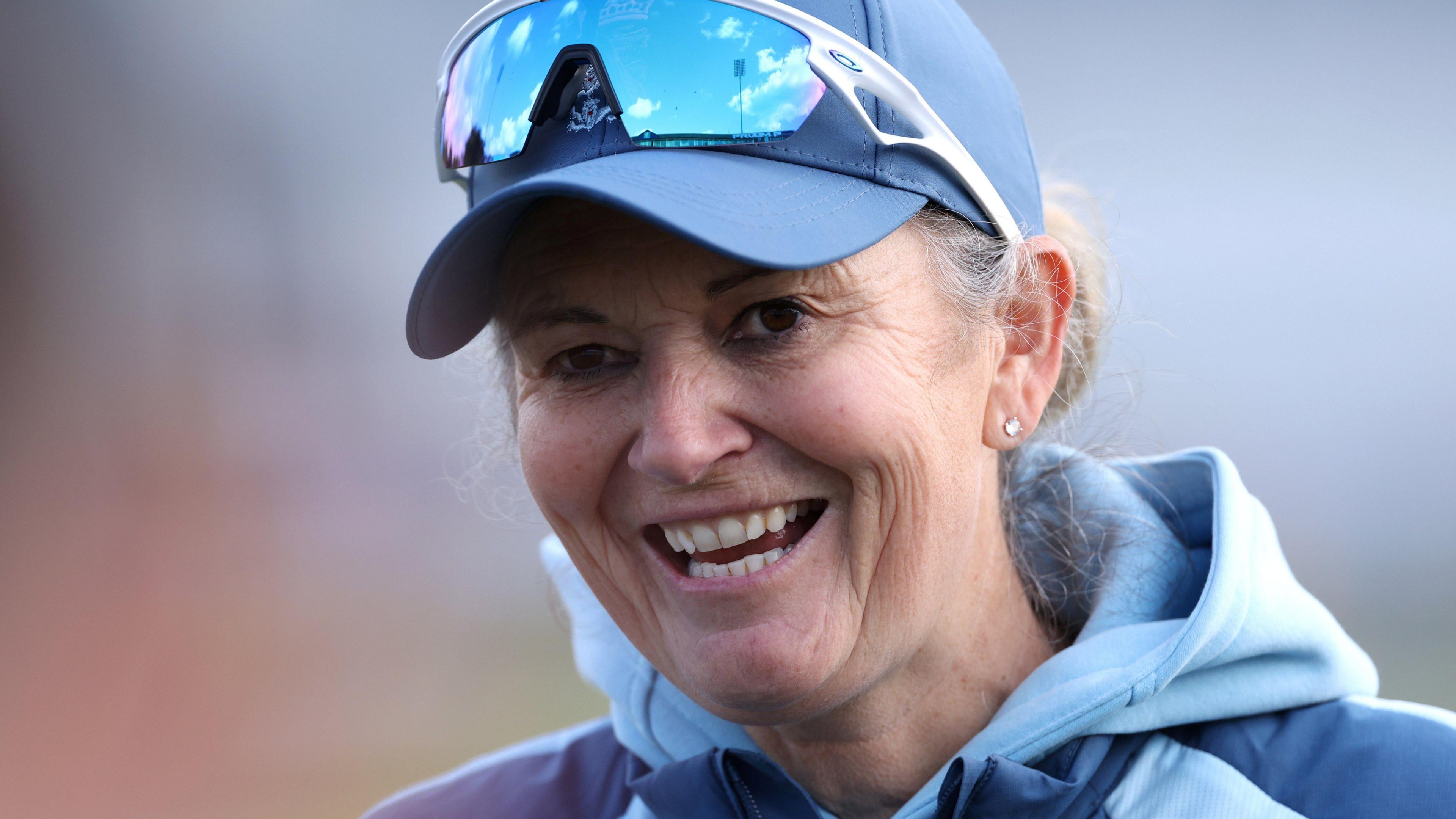
Charlotte Edwards has six T20 matches to solve a puzzle before England's women's cricket team takes the field for the World Cup on June 12. The England coach, now in her second year at the helm, faces a series of interlocking decisions about squad composition and player fitness—some of which could reshape the team that will compete for the trophy.
The most immediate question centres on England's spin attack. Sophie Ecclestone remains the team's premier left-arm spinner, barring fitness setbacks, but who will partner her in the bowling attack? The emergence of 18-year-old Tilly Corteen-Coleman on debut against New Zealand impressed Edwards; Corteen-Coleman looked composed from the start, taking 1–18 in four overs during an intra-squad camp in South Africa earlier this year. Yet England also has Linsey Smith, a slingier left-arm spinner who was among the team's best bowlers at last year's 50-over World Cup, particularly in the powerplay, where she took seven of her 13 wickets with the new ball. Edwards must choose between the established Smith and the promising teenager, or find a way to play all three left-armers—though that would likely mean dropping vice-captain Charlie Dean and creating an awkward tail.
Fitness clouds every decision that follows. Captain Nat Sciver-Brunt, England's vice-captain and a crucial all-rounder, missed the New Zealand one-day series with a minor calf tear and remains ruled out of the T20 matches. Ecclestone, another linchpin, has made only four competitive appearances this season as she manages a quad issue. Sophia Dunkley, slated to open the batting alongside Danni Wyatt-Hodge, has played just once competitively since December due to a knee problem. Fast bowler Issy Wong was pulled from the opening ODI at the last moment with hamstring tightness, though she insists the issue proved minor and she is available for the T20 series. These injury management decisions will determine not just who plays, but the entire structure of England's XI.
Edwards has also welcomed back all-rounders Freya Kemp and Dani Gibson from injuries that sidelined them earlier in the season. Both were included in the New Zealand ODI series without making a significant impact, but former England all-rounder Katherine Sciver-Brunt—who is married to captain Nat—has hinted at Edwards's philosophy: "If you look at her teams it is her recipe for success," Sciver-Brunt said, referring to her coach's preference for multi-skilled players. Kemp is set to return to bowling for the first time since January, while her left-handed batting gives her the ability to clear the ropes when form allows.
The challenge deepens when weighing these decisions together. If Edwards selects both Kemp and Gibson alongside Ecclestone, Dean, and one of Smith or Corteen-Coleman, there may be space for only one frontline seamer. That burden would fall on Lauren Bell, who has emerged as the leader of England's attack over the past 18 months and ranks among the world's best pace bowlers. Kemp, Sciver-Brunt, and Gibson could provide support, but the weight of expectation would rest heavily on Bell's shoulders.
Over the next two weeks, England's six warm-up matches will begin to answer these questions. The team has not played in T20 format since July, adding to the uncertainty. Yet Edwards has months of planning behind her decisions, and these matches are designed to sharpen a squad with genuine title ambitions.