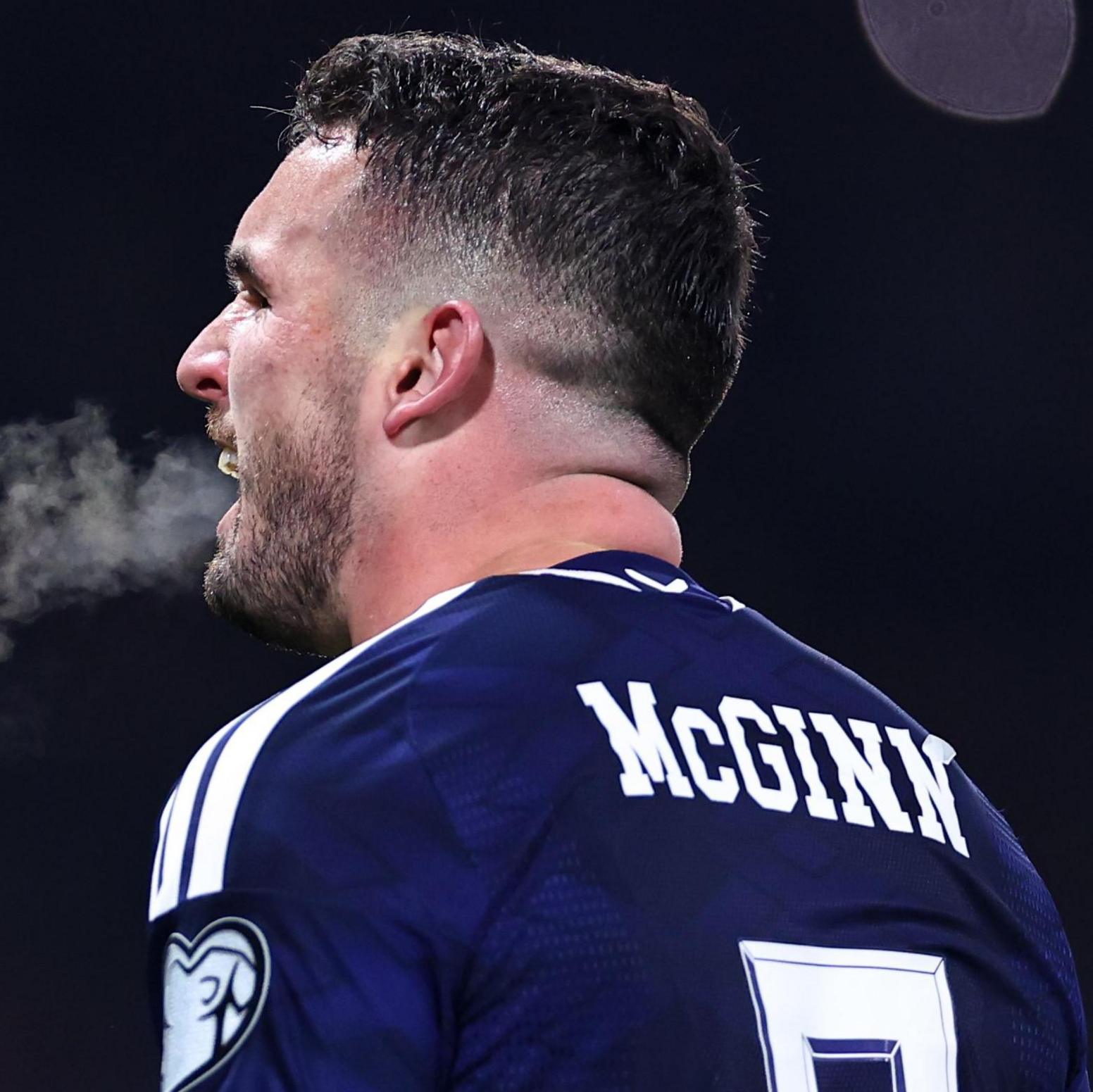
John McGinn lifted his first major trophy on a night that would have seemed impossible a millimetre away from never happening at all. The 31-year-old midfielder helped Aston Villa claim their first silverware in 30 years last month, capping a four-year journey from a working-class council estate in Clydebank to one of European football's grandest stages—a rise that nearly ended in tragedy on a training ground two years into his career.
The story of McGinn's ascent begins on the red ash pitches of west Glasgow, where "no ball games" signs littered the landscape of 1990s council estates. His mother, Mary—who would later teach her youngest son at school and coach his team—pestered the local council into submission until two sets of goals were hammered into a nearby patch of gravel. There, McGinn and his brothers spent day and night dreaming of becoming Henrik Larsson, then Shunsuke Nakamura. When his older brother Stephen broke into St Mirren's first team, he had a new hero to chase.
The path from those gravel pitches to professional football was never supposed to happen. The chances of a UK youngster achieving their dream of the pro game are lower than 1%, yet McGinn and both his older brothers managed it. Paul now captains Motherwell after a career alongside Scotland internationals. Stephen, who also played for St Mirren, is building a coaching career with Falkirk. Their grandfather Jack served as Scottish FA president and Celtic chairman. Yet John's rise has taken a distinctly different trajectory—one rooted in the streets of Clydebank rather than inherited advantage.
At St Mirren under Danny Lennon, McGinn announced himself as a revelation. The former manager remembered him as someone who "wasn't the biggest, but he had the heart of a lion." After his side's 2013 League Cup triumph, McGinn believed his career had peaked. He thought that night—ending with him carried out of a Glasgow pub—represented the ceiling of his ambitions.
Two years later, that career came perilously close to ending altogether. A training-ground prank at St Mirren went horribly wrong when teammate Steven Thompson pierced McGinn's thigh with a spiked pole. McGinn later revealed he would have "bled out in a minute" had the puncture been a millimetre closer to his femoral artery. The narrowest of margins separated his future from oblivion.
Instead, his breakthrough was only delayed. After Wigan and Houston Dynamo moves fell through, McGinn joined Hibernian in 2015 and experienced Scottish Cup glory under Alan Stubbs. But it was under Neil Lennon, the former Celtic boss known for tough love, that McGinn's game transformed. Lennon described him as "the fulcrum" of his team, though not without delivering barbed critiques in the dressing room. When Hibs defeated St Mirren—McGinn's brother Stephen's club—Lennon's post-match rant was savage enough to lodge in memory: "You're not even the best player in your house."
From Hibernian's success to Aston Villa, McGinn has become integral to winning sides. He was part of St Mirren's first cup triumph in 26 years and played the full 90 minutes when Hibernian ended their 114-year wait for another Scottish Cup. Now, at Villa, his highest-scoring season at club level coincides with the club's first major silverware in three decades. This month, he will feature in Scotland's first men's World Cup match in 28 years, a tournament qualification he played a key role in securing.